• Request Info
  • Visit
  • Apply
  • Give
  • Request Info
  • Visit
  • Apply
  • Give

Search

A-Z Index Map

Chemistry

  • About
    • Student Organizations
    • Connect With Us
    • Careers With Us
    • Employee/Student Travel Request
    • Newsletters
  • Undergraduate Students
    • Majors and Minors
    • First Year Students
    • Undergraduate Research
    • Summer Programs
    • Chemistry Lab Excused Absence
    • Apply
  • Graduate Students
    • Prospective Students
    • Admitted Students
    • Current Students
    • Research Open House
    • Chemistry Graduate Student Handbook
  • Faculty
  • People
  • Research
    • Research Areas
    • Facilities
  • News
  • New Chemistry Building
Home » Archives for Jennifer Brown » Page 3
Author: Jennifer Brown
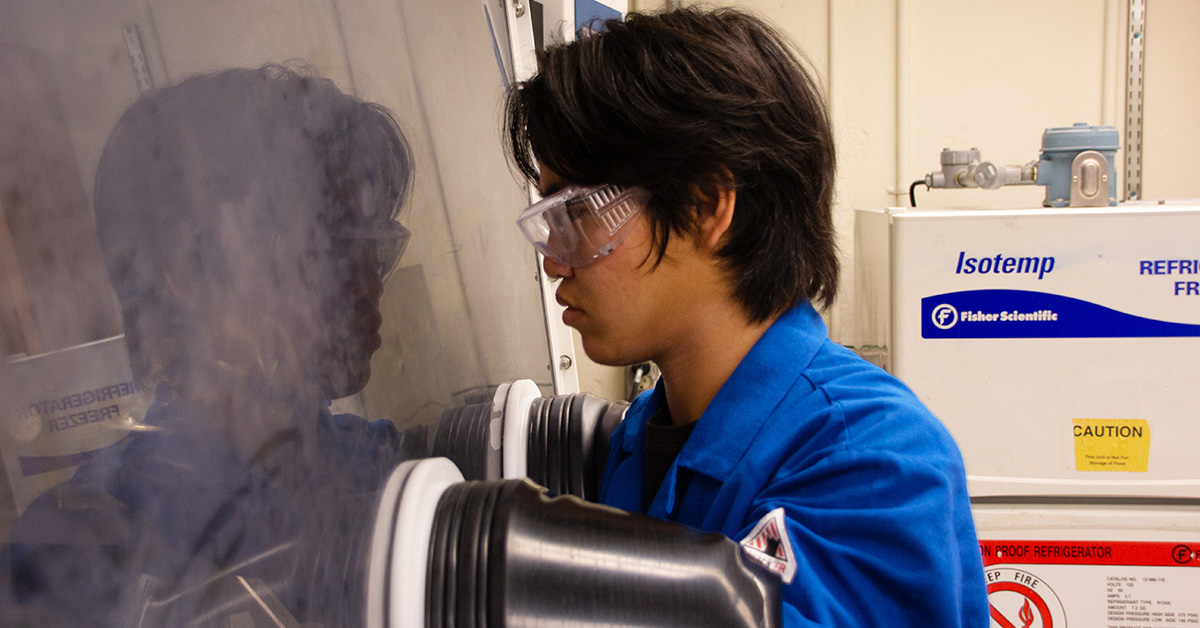
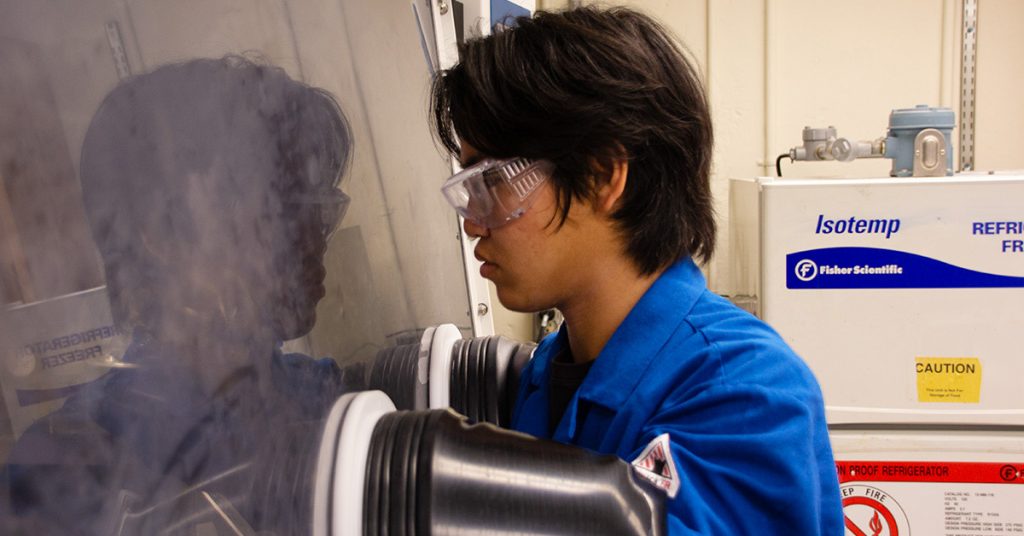
A young Asian man wearing a blue lab coat and clear safety glasses is using a glove box in a lab. A shadow of his image is reflected in the glove box window

Baccile’s Grant Prepares Community College Students for Four-Year Programs

July 9, 2024 by Jennifer Brown

A young Asian man wearing a blue lab coat and clear safety glasses is using a glove box in a lab. A shadow of his image is reflected in the glove box window

Joshua Baccile, assistant professor in the Department of Chemistry, is leveraging a National Science Foundation (NSF) grant to provide summer research opportunities to community college students. He hopes the program will encourage more students to pursue a four-year degree.

The NSF requires all submissions to not only detail the proposed research, but to address the broader impacts of that research. NSF broader impacts are described as tangible societal benefits that go beyond the research’s contribution to the greater body of knowledge, and ensure that publicly funded research contributes to a public good.

Baccile addressed the broader impact question in his proposal by creating a summer research internship for community college students who are interested in pursuing a bachelor’s degree in chemistry or a closely related field. His goal was to tailor a comprehensive research program that would provide hands-on experience and professional development opportunities, and help ease the transition from community college to a four-year program.

“This program is important to me because I started out in community college. There is often a bit of a gap between the skills developed in a two-year program and the skills needed to succeed in a four-year program,” said Baccile. “When I was an undergraduate student, my summer research experience was critical to my continued pursuit of chemistry and I wanted to create an opportunity like that for our local community college students.”

To get the program running, Baccile had to first build a relationship with local community colleges and establish a pool of interested students. He reached out to Pellissippi State Community College (PSCC) via a colleague and visited the campus repeatedly to discuss the program with the college’s organic chemistry students. When the program began accepting applications, the response from students was overwhelmingly positive.  

“In the first year, we had a number of qualified applicants that we were forced to turn down because I simply didn’t have room for them in my lab,” said Baccile. “It was immediately clear this is an opportunity students want.”

Now in its second year, Baccile’s program has expanded beyond his own lab to include the research groups of Mike Best and Johnathan Brantley, fellow faculty members in the chemistry department. The addition of these labs has allowed the program to support more qualified students, a trend Baccile hopes to continue.

He notes that, thus far, all of the students who have participated in the summer internship program have gone on to four-year institutions in Tennessee, including UT’s chemistry department.

“This program is establishing pathways to four-year degree programs for Tennessee residents through research experiences. Not only is this helping individual students expand their future opportunities, it’s directly contributing to the state’s workforce development goals,” said Baccile.

Chemistry is a growing industry in the state of Tennessee. In the last six years, industry partners have made investments in excess of $400 million and created more than 2,000 jobs. Qualified and capable chemists will continue to be in-demand in Tennessee for the foreseeable future, and Baccile strongly believes that research experiences directly impact whether a student continues to work in the field of chemistry.

“My undergraduate summer research experience is the reason I’m a chemist,” said Baccile. “I think early exposure to research significantly improves the chances of students discovering their own passion for chemistry, and I am dedicated to extending the same invaluable opportunity I benefitted from to current and future community college students.”

The NSF proposal that funds Baccile’s summer research program has one year remaining. However, he hopes to find a way to continue and even expand the program into something more permanent in the future.

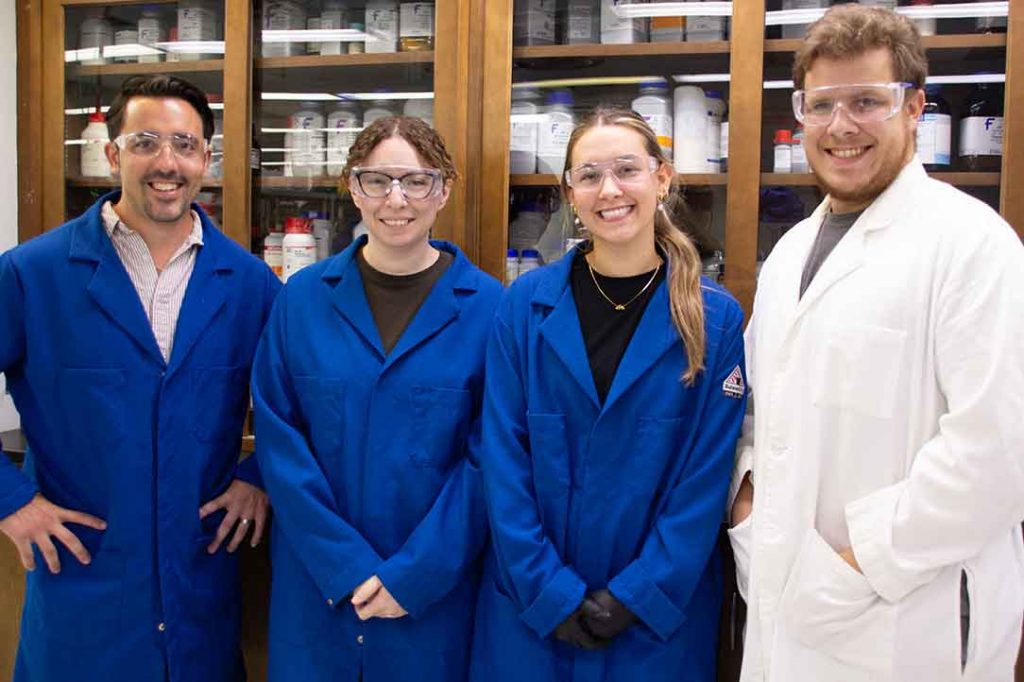
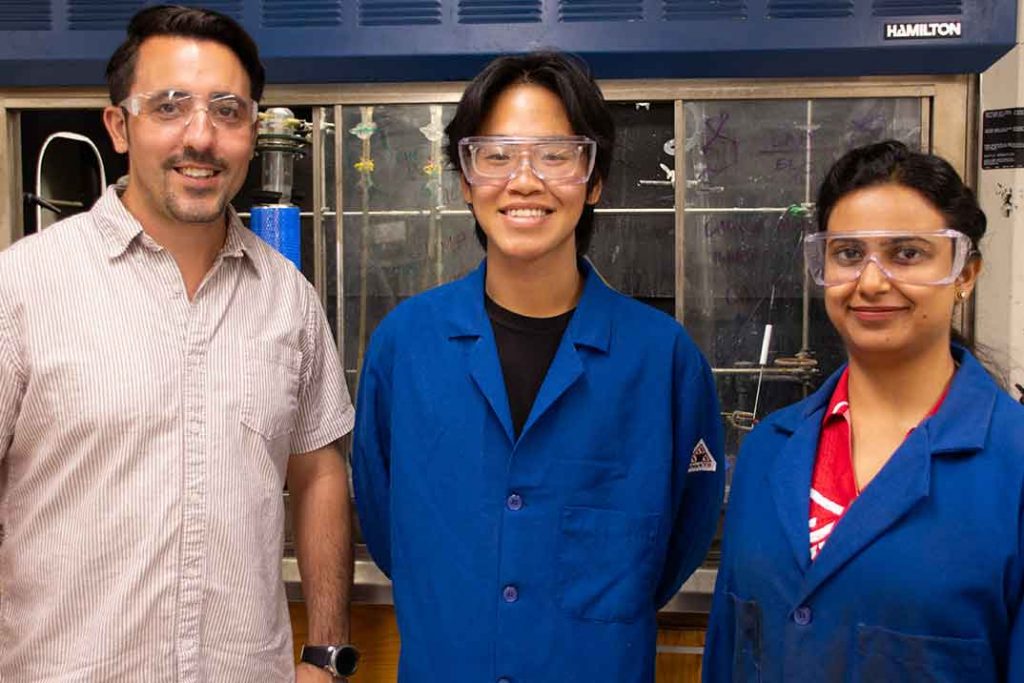
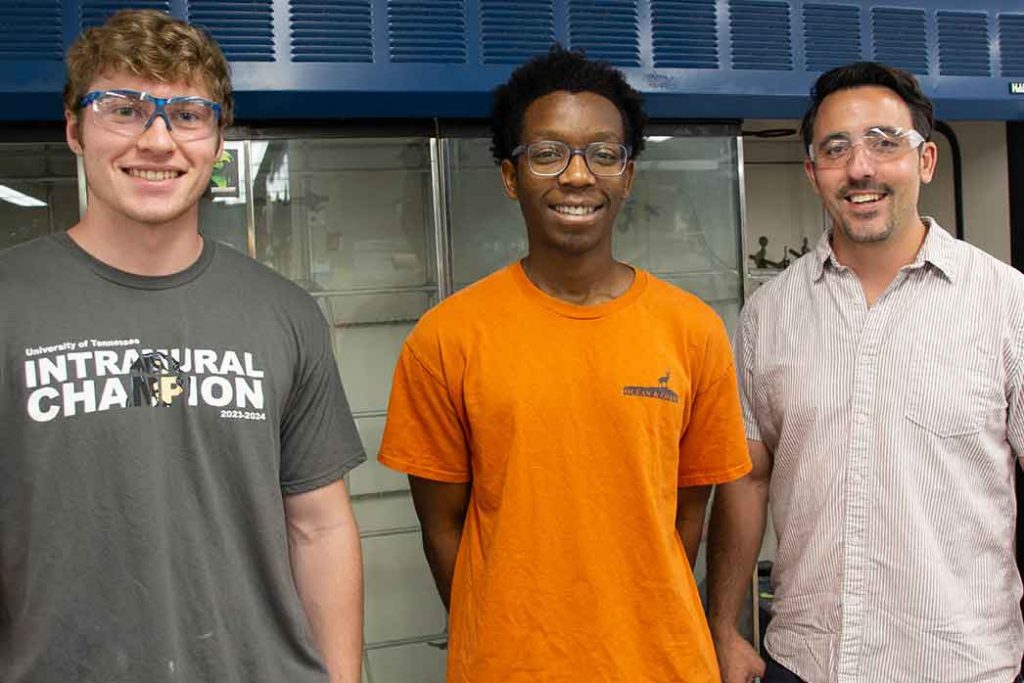
Dr. Baccile and graduate student Zack Hulsey stand with two young women in front of a case of lab supplies. They are wearing lab coats and safety glasses and are all smiling.
Dr. Baccile and graduate student Hima Davit stand with a young male student. They are smiling.
Dr. Baccile and graduate student Robert Maraski stand with a male student in front of a glove box. They are smiling.

Filed Under: News, Organic Chemistry Tagged With: Baccile

New Graduate Student Fellowship Awarded

June 15, 2024 by Jennifer Brown

Graduate student fellowships are financial gifts that provide support for graduate students and their research. These gifts can make it possible for students to give presentations at national conferences, purchase materials for lab work, and more. In 2024, the Department of Chemistry awarded a new graduate student endowed fellowship, thanks to the generosity of Robert and Phyllis Yokley.

Robert Yokley is an alumnus of the University of Tennessee Knoxville’s Department of Chemistry. Born in Hohenwald, Tennessee, Yokley began studying chemistry at Middle Tennessee State University. That study was interrupted by the Vietnam War, where he served a tour of duty as a U.S. Marine. When he returned home, Yokley returned to his studies and completed his B.S. degree. After working as a chemist for the Tennessee Department of Agriculture, Yokley decided to continue his education and joined the Department of Chemistry at UT, where he worked under Professor Gleb Mamantov.

After receiving his PhD, Yokley went on to work as a chemist in industry until his retirement in 2006. Yokley remains an active member of the American Chemical Society where he has served as the Chair of the Senior Chemists Committee.

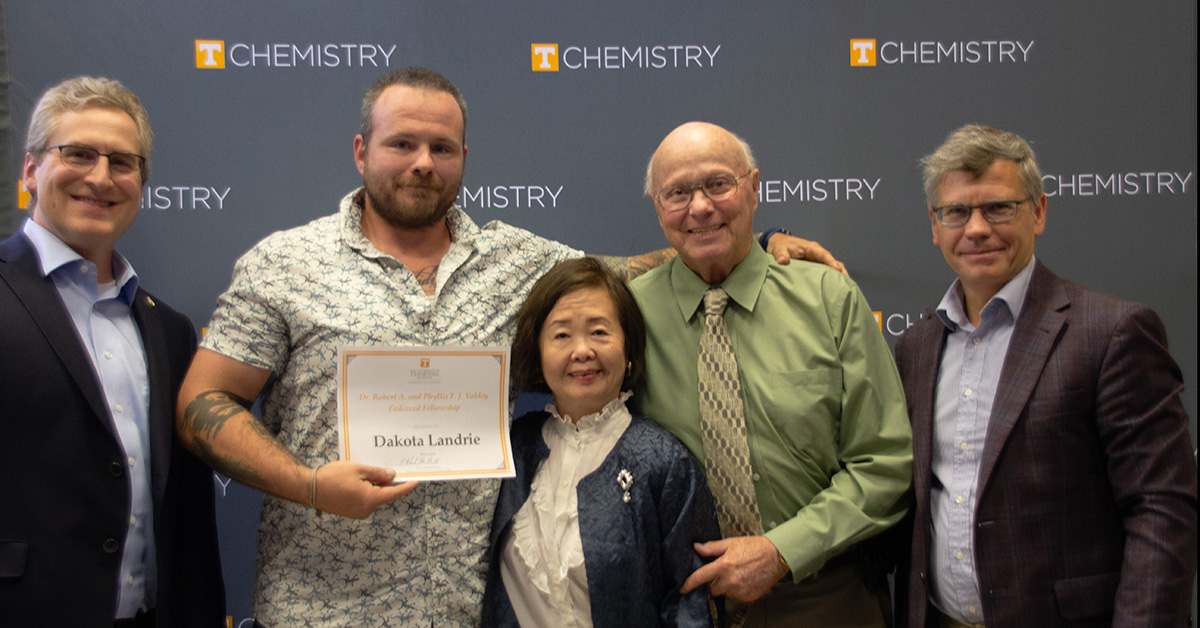
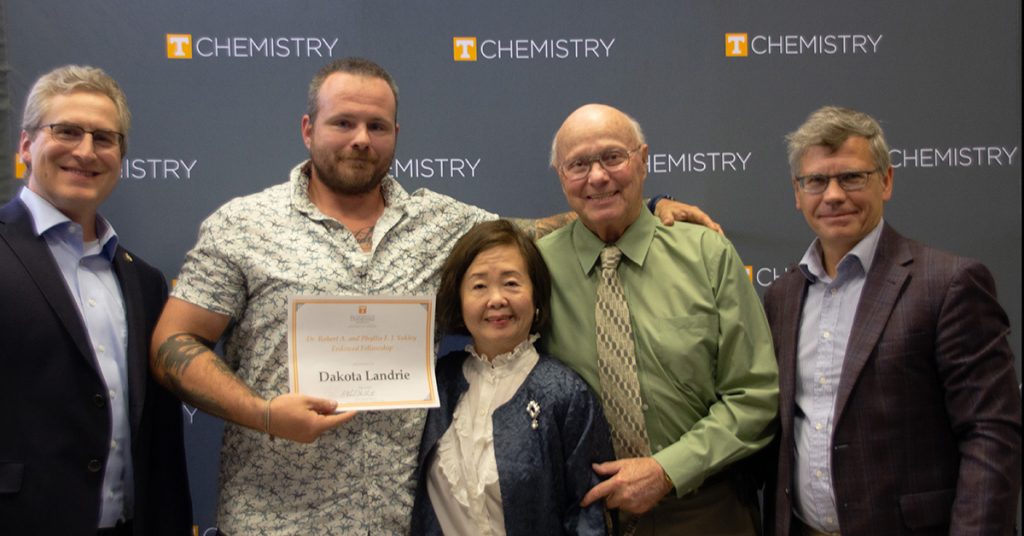
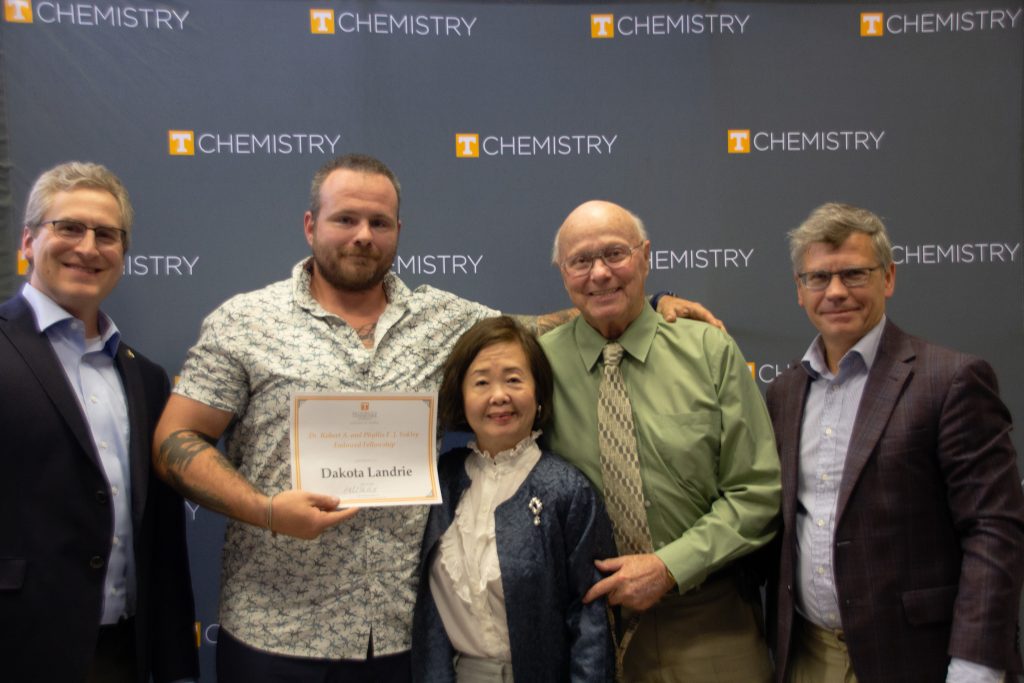
The Dr. Robert A. and Phyllis F.J. Yokley Endowed Fellowship is the result of Yokley’s hard work over the years, and desire to support new generations of upcoming chemists. In keeping with Yokley’s experience, the fellowship gives preference to veterans, specifically members of the Marine Corps. The first recipient of the fellowship was graduate student and Marine Corps veteran Dakota Landrie.

A South Caroline native, Landrie joined the Marines right after high school, citing a desire to challenge himself. During his service, he deployed to Afghanistan twice with the 3rd Battalion, 7th Marine Regiment.

Landrie joined the chemistry graduate program in Fall 2022 and is now a member of Associate Professor Sharani Roy’s research group. His research uses theoretical models to explore electron transport. Currently in his third year, Landrie is working to become an interdisciplinary scientist, focusing on chemical physics.

“I am honored to receive this award and would like to thank Dr. Yokley for his service,” said Landrie.

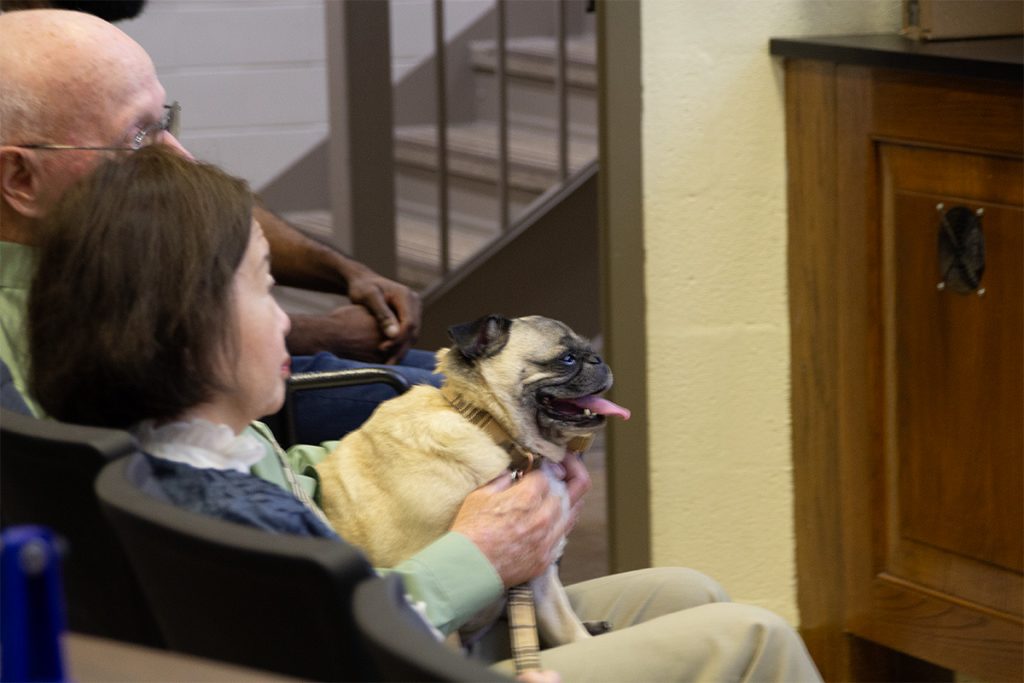
The Dr. Robert A. and Phyllis F.J. Yokley Endowed Fellowship was awarded for the very first time at the department’s 2024 Honors Day, an event that celebrates the achievements of faculty, staff, and students. Robert and Phyllis Yokley were in attendance, along with their dog Otis.

Filed Under: alumni, endowment, fellowship, News

Graduate Student Brings STEM Education to Knoxville Youth

June 10, 2024 by Jennifer Brown

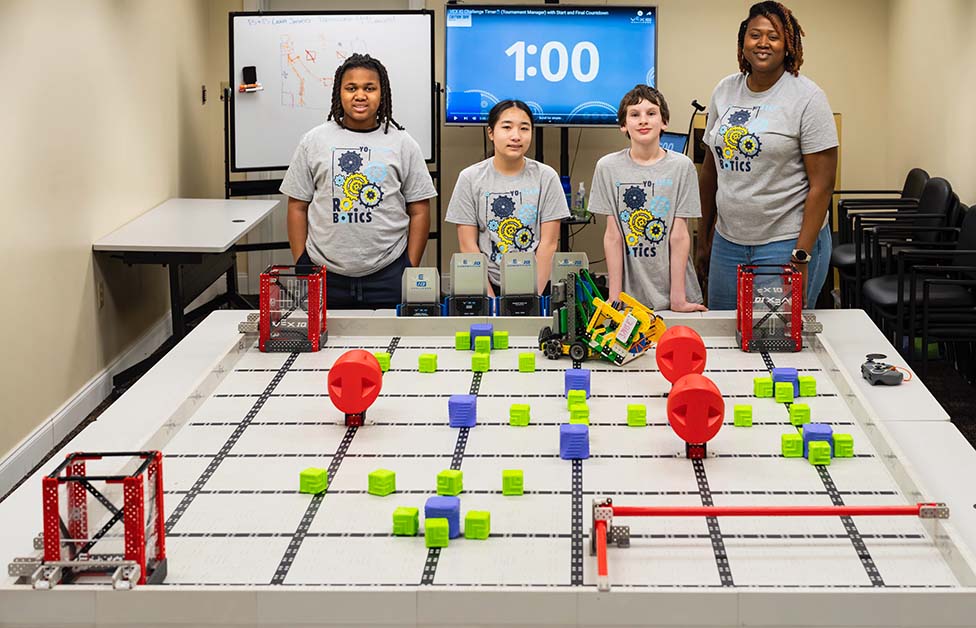
Candace Halbert, PhD candidate in the Department of Chemistry, was recognized by People Magazine last year for her work bringing STEM education to underserved Knoxville youth through her nonprofit organization Youth Outreach in STEM (YO-STEM). As a nontraditional student, Halbert is building the skills and knowledge that will allow her to serve her community and benefit the life and lives of children all over Knoxville.

After earning her master’s degree from Georgia Tech, Halbert pursued a career as a chemist and eventually began working as a scientific associate at the Spallation Neutron Source at Oak Ridge National Laboratory (ORNL). Halbert’s role at ORNL quickly expanded beyond managing a research instrument to include recruiting at conferences and career fairs.

As she continued working as a STEM professional, Halbert noticed that she was often the only woman or person of color in the room. She found herself wondering what could be done to change that. In 2016, in the wake of the ongoing water crisis in Flint, Michigan, Halbert stopped wondering and started acting.

“Vine Middle School was collecting water for Flint so I went to donate, and I realized Vine was a STEAM school. I offered to volunteer and a few weeks later they contacted me and asked if I would be interested in starting a STEM program for girls,” said Halbert.

What began as a STEM club for girls, quickly expanded to a co-ed Build-a-Drone program, and in 2017, Halbert founded YO-STEM. YO-STEM is a nonprofit dedicated to providing underserved students with education and hands-on STEM experiences. Its three main programs are the original Girls in STEM program, STEM Saturday, and competitive co-ed Robotics. The first year YO-STEM’s robotics team competed, the made it all the way to the VEX Robotics World Championship.

“Our kids are amazing. All they need is the resources, time, and energy to be devoted to them,” said Halbert. “I always tell people we’re not saving these kids. We are giving them a tool and they’re learning to do everything they need with it. They’re strategizing, they’re practicing, they’re communicating. They’re doing the work; we’re just supplying the opportunity.”

Halbert’s journey to the Department of Chemistry at UT is intimately tied to her work with YO-STEM. Her experience as a working scientist in a national lab led Halbert to believe that a PhD would open new doors for her professionally, but she was hesitant to add graduate school to her existing priorities. As Halbert continued pouring energy into her nonprofit, YO-STEM expanded its services to more students and age brackets. It wasn’t long before one of her colleagues suggested she return to graduate school.

“I was speaking to my mentor and she pointed out how much more I could do for my community with a PhD. All this time friends and colleagues had said I should go back to school because it would help my career, and I knew they were right,” said Halbert. “But my mentor reminded me this degree could do so much more than just help my career, that it could really enable me to better serve my community and these students.”

After joining the PhD program at UT, Halbert quickly realized how different this graduate school experience would be. Some of this she attributed to her professional experience and personal growth, both natural and intentional. However, she also found the program’s focus on research and fostering rigorous scientific inquiry to be a much more effective approach for her as a student.

“This has been a completely different experience for me.  As part of an R-1 institution, the structure of the program here focuses on high-quality research and research proposals as measurements of success and ability,” said Halbert. “I think that’s a better way to prepare students for their future careers. The department is also very supportive. I can tell my committee wants me to succeed.”

Now in her third year, Halbert feels confident that she made the right choice to pursue a PhD at UT. She says that balancing her work as a graduate student, her work at ORNL, and her work with YO-STEM has been challenging but rewarding. In the last few years, she has welcomed other members of the chemistry program into the family of volunteers at YO-STEM, and is considering further expanding the organization’s offerings as students ask for additional programs. Halbert has even begun to see some of the earliest participants in her programs joining the Volunteer family as undergraduate students.

 One of my students is in computer science and another is in nursing. I love seeing them here at UT. It’s almost like we’ve come full circle,” said Halbert

As Halbert continues to progress through her PhD program, she is looking forward to leveraging the knowledge and skills she has gained at UT to the benefit of both her career and community. She has discovered her passion in STEM advocacy and says the Department of Chemistry has provided her with the invaluable education and experience she needs to become an even stronger advocate.

Learn more about YO-STEM here.

Filed Under: Graduate Students, News

Photo of a poster session

2024 Honors Day

May 14, 2024 by Jennifer Brown

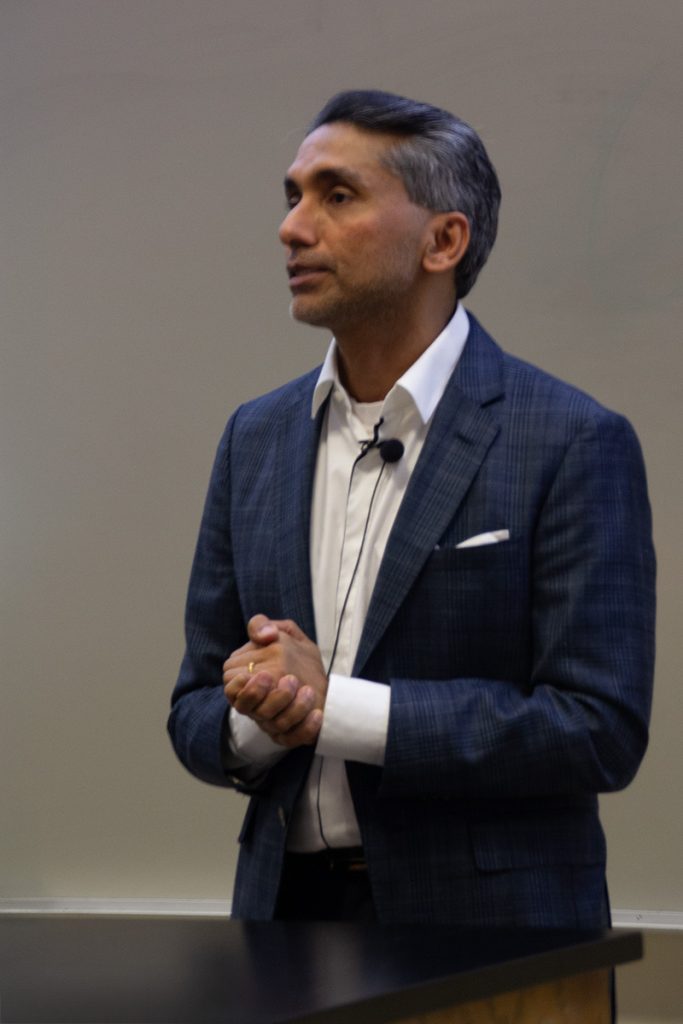
On Thursday, May 2nd the Department of Chemistry held its annual Honors Day event. Honors Day is an opportunity to recognize student, faculty, and staff excellence via awards and fellowships. This year the Dr. Robert A. and Phyllis F.J. Yokley Endowed Fellowship was awarded for the first time. Dr. and Mrs. Yokley traveled from their home in North Carolina to join the celebration and meet the first winner of their fellowship. Distinguished alumnus Dr. Subu Natesan, CEO and President of AstraGlass Innovations, delivered the opening address.

Honors Day Awardees

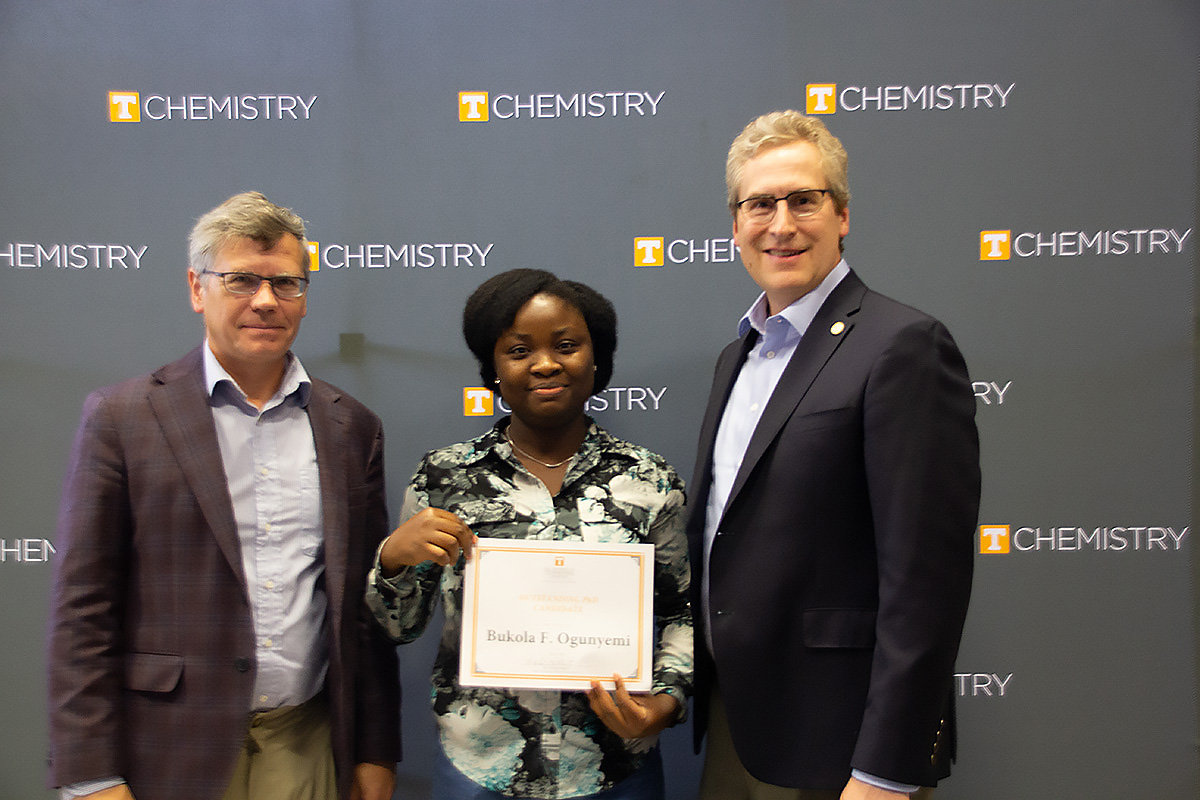
Outstanding PhD Candidate Awards

Shahzad Akram (not pictured)
Bukola Ogunyemi

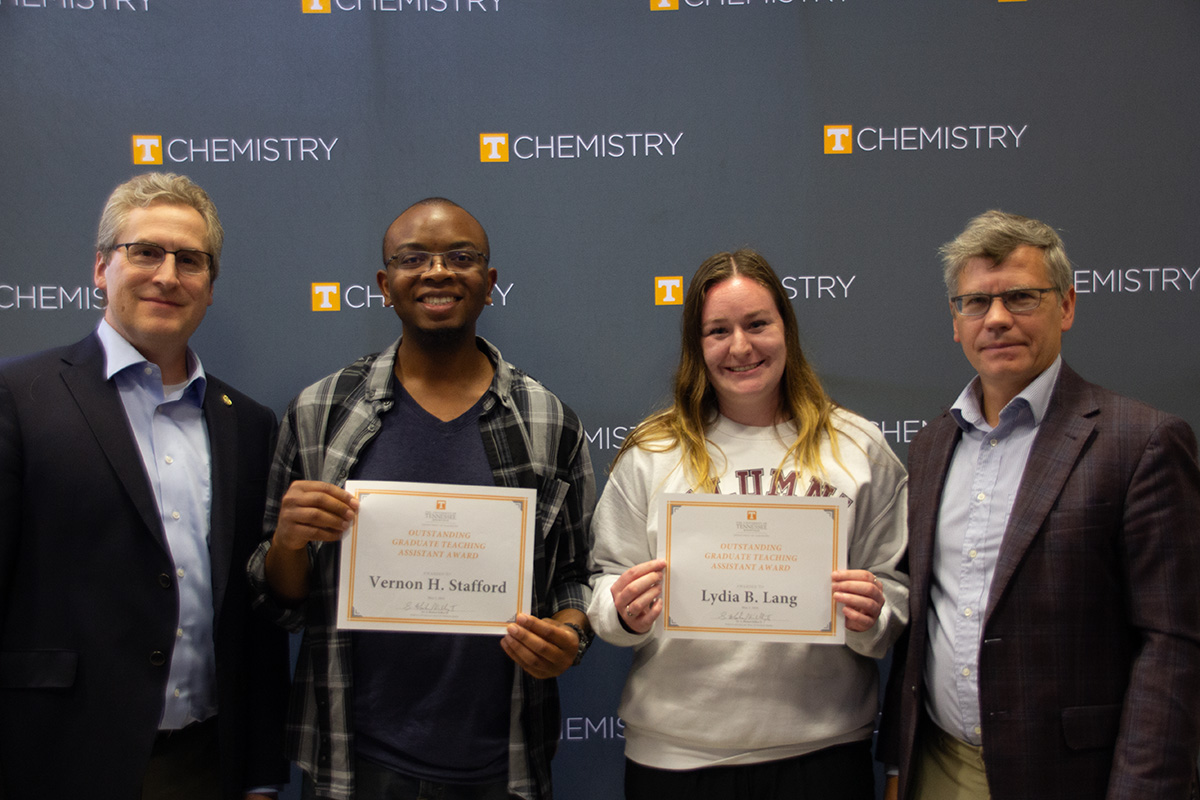
Outstanding Graduate Teaching Awards

Lydia Lang
Vernon Stafford

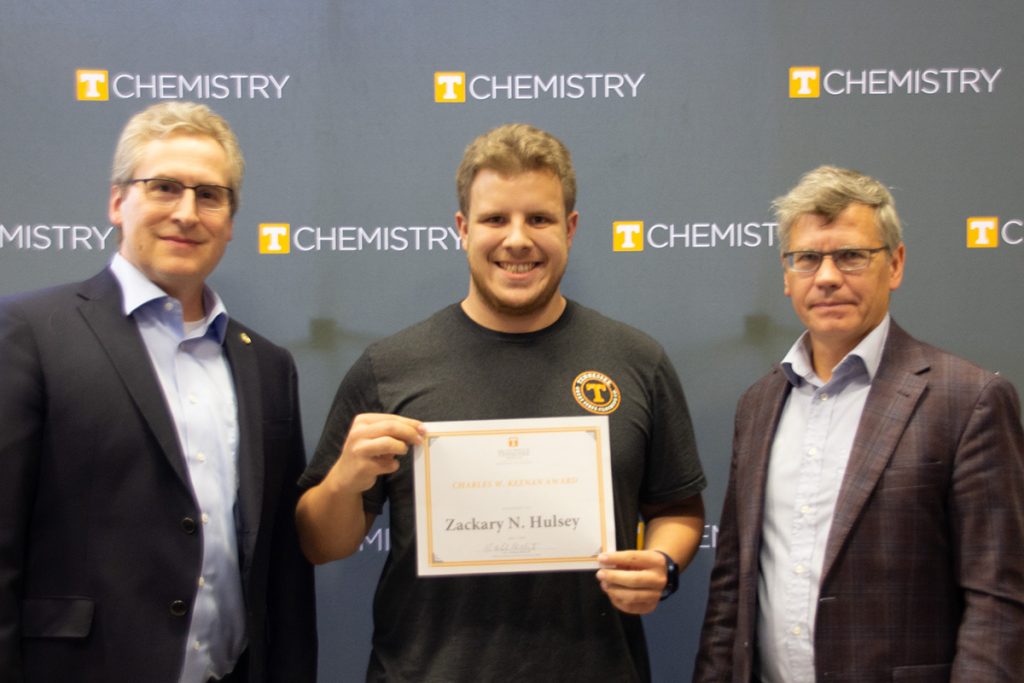
Charles W. Keenan Award

Zack Hulsey

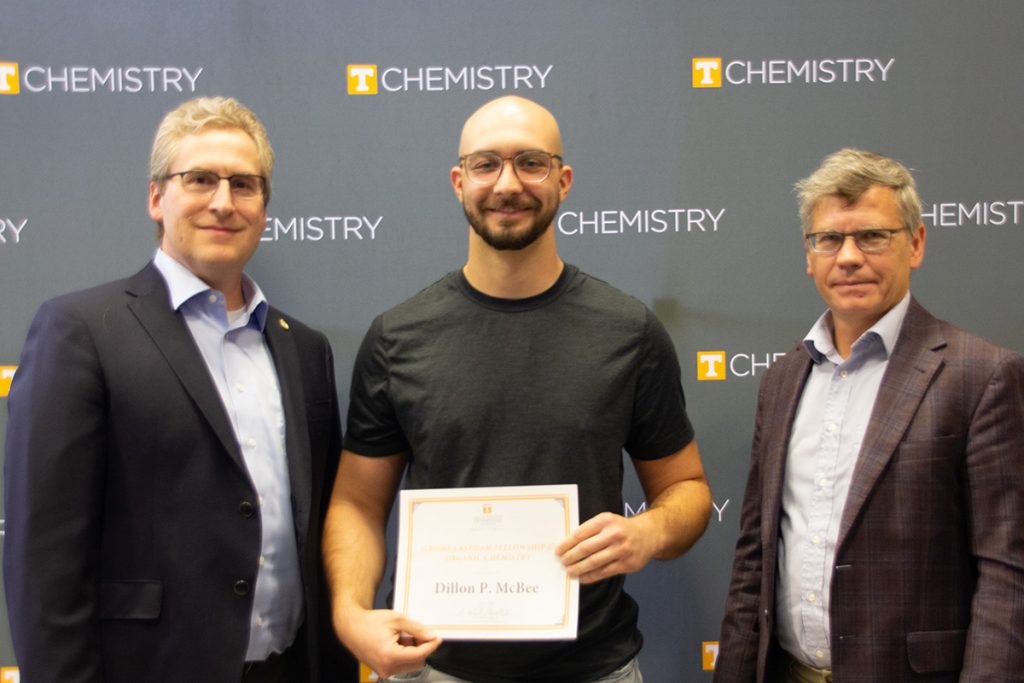
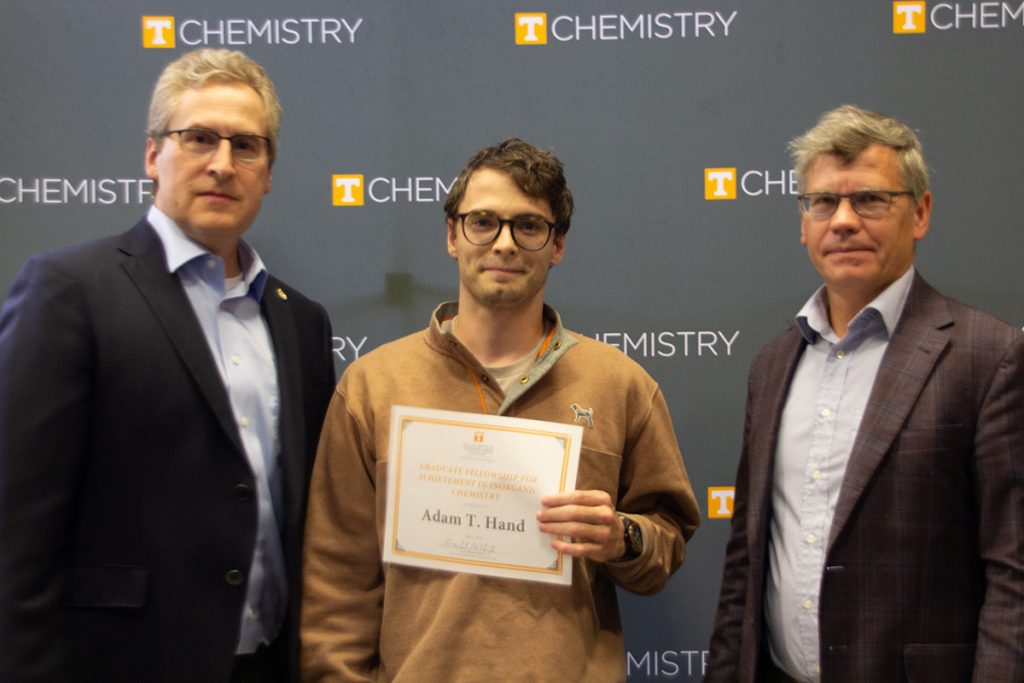
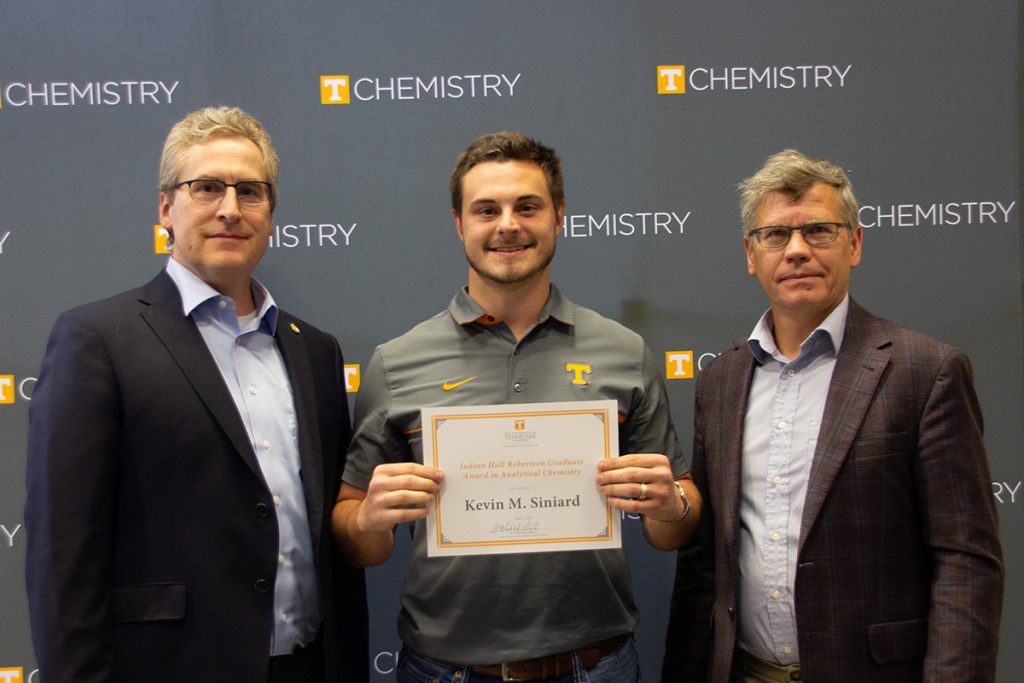
Three people pose for a photo at an awards ceremony with a UT backdrop behind them
Four people pose for a photo at an awards ceremony with a UT backdrop behind them
Three people pose for a photo at an awards ceremony with a UT backdrop behind them

Jerome Eastham Fellowship in Organic Chemistry

Dillon McBee

Graduate Fellowship for Achievement in Inorganic Chemistry

Adam Hand

Judson Hall Robertson Graduate Award in Analytical Chemistry

Kevin Siniard

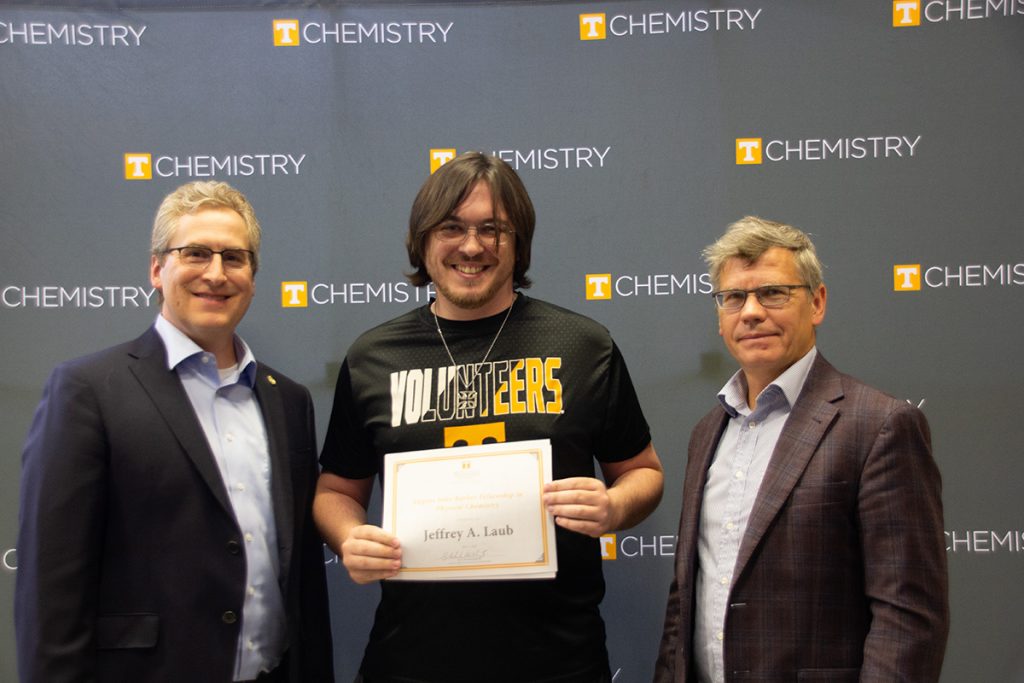
Three people pose for a photo at an awards ceremony with a UT backdrop behind them

Eugene John Barber Fellowship in Physical Chemistry

Jeffrey Laub

Dr. Robert A. & Phyllis F.J. Yokley Endowed Fellowship

Dakota Landrie

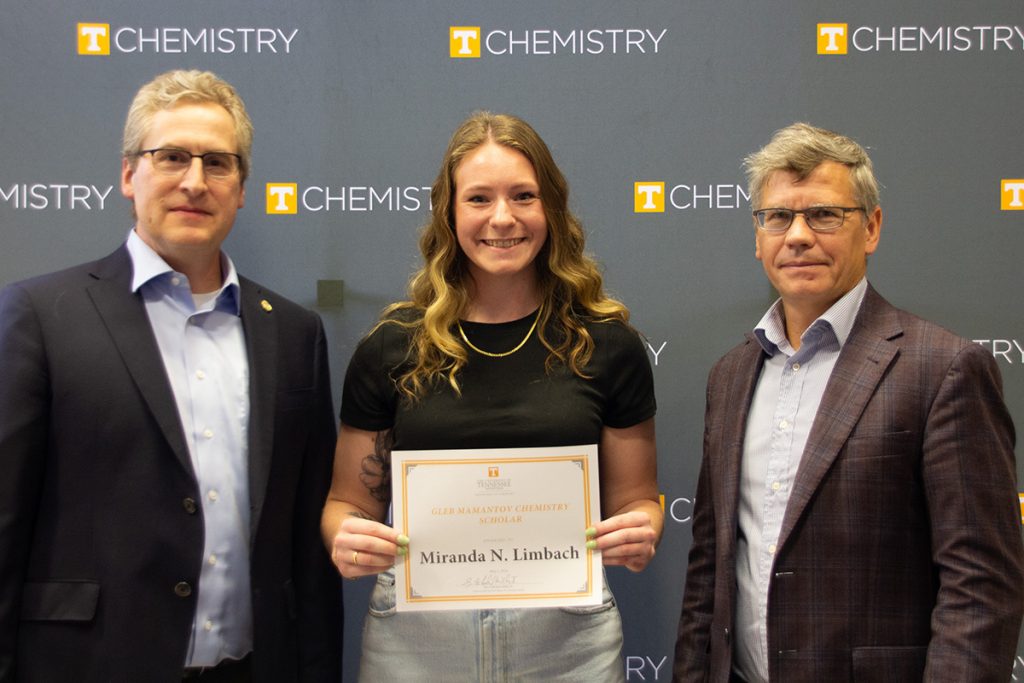
Gleb Mamantov Graduate Chemistry Scholar

Miranda Limbach

Three people pose for a photo at an awards ceremony with a UT backdrop behind them
Five people pose for a photo at an awards ceremony with a UT backdrop behind them
Three people pose for a photo at an awards ceremony with a UT backdrop behind them

ACGS Awards

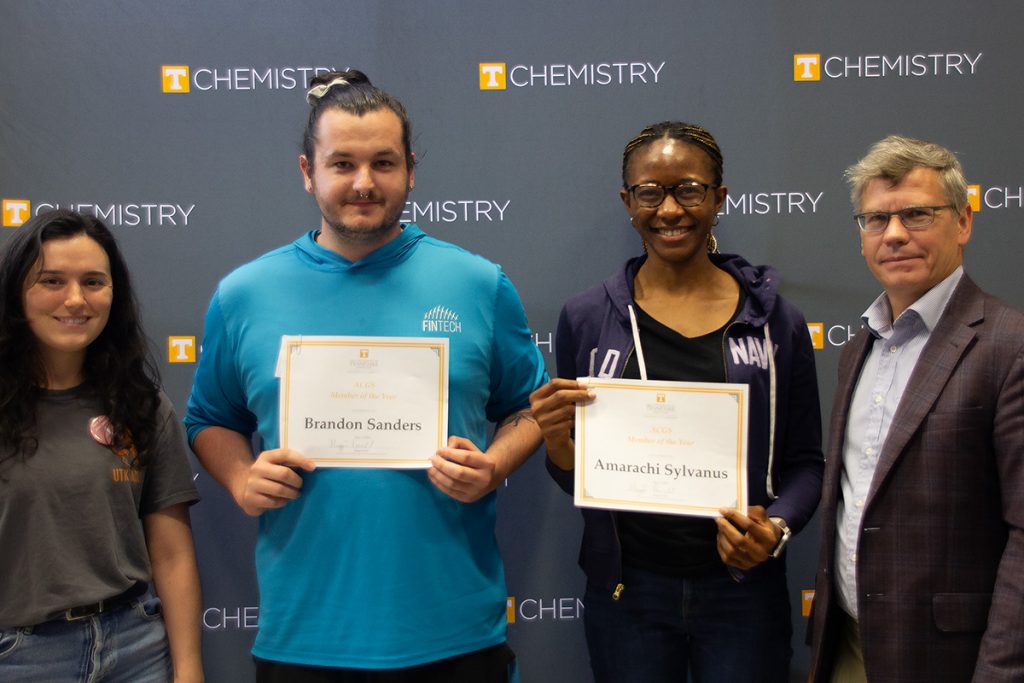
ACGS Member of the Year

Brandon Sanders
Amarachi Sylvanus
Christy Witcher (not pictured)

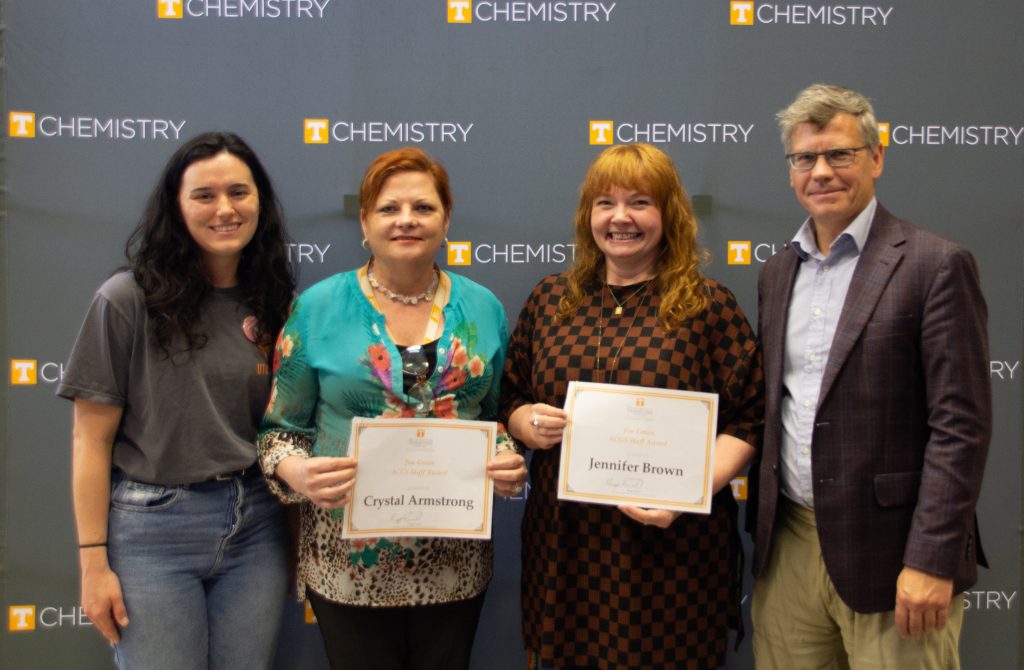
James F. Green ACGS Service Award

Crystal Armstrong
Jennifer Brown

Four people pose for a photo at an awards ceremony with a UT backdrop behind them

Carol Moulton ACGS Service Award

Linda Sherman (not pictured)

Staff Awards

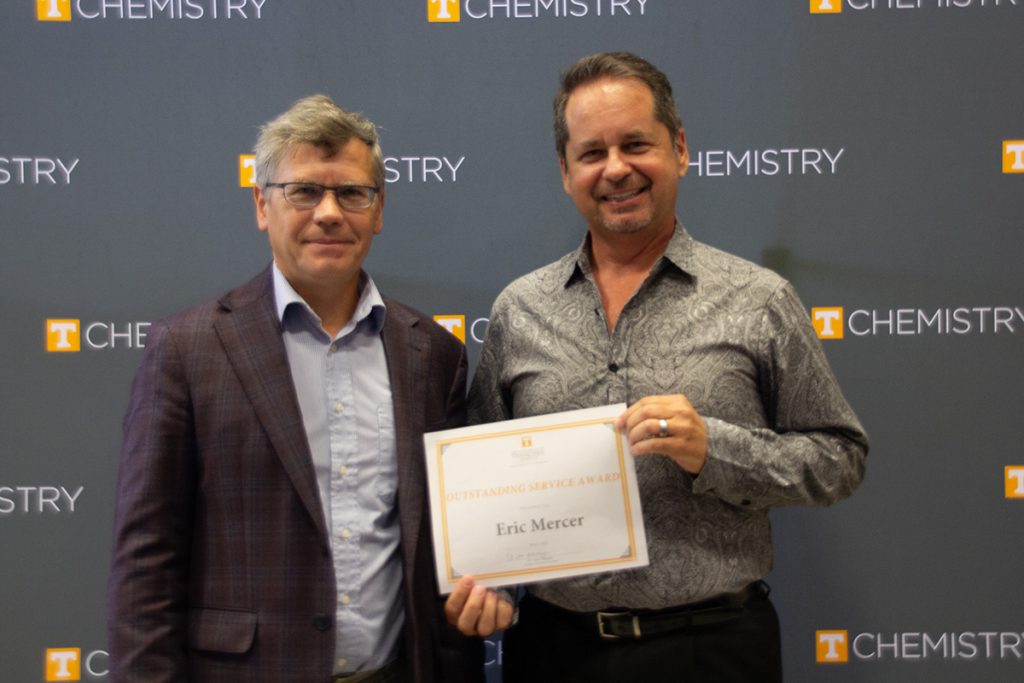
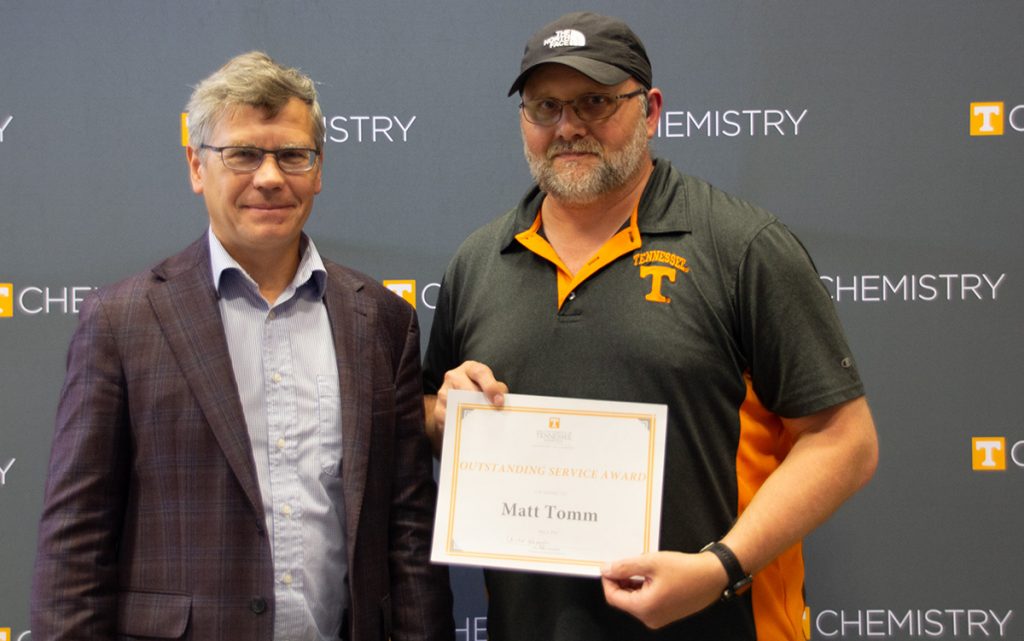
Outstanding Service Awards

Eric Mercer
Matt Tomm

Two people pose for a photo at an awards ceremony with a UT backdrop behind them

Faculty Awards

Zeigler Professorship

Mark Dadmun (not pictured)

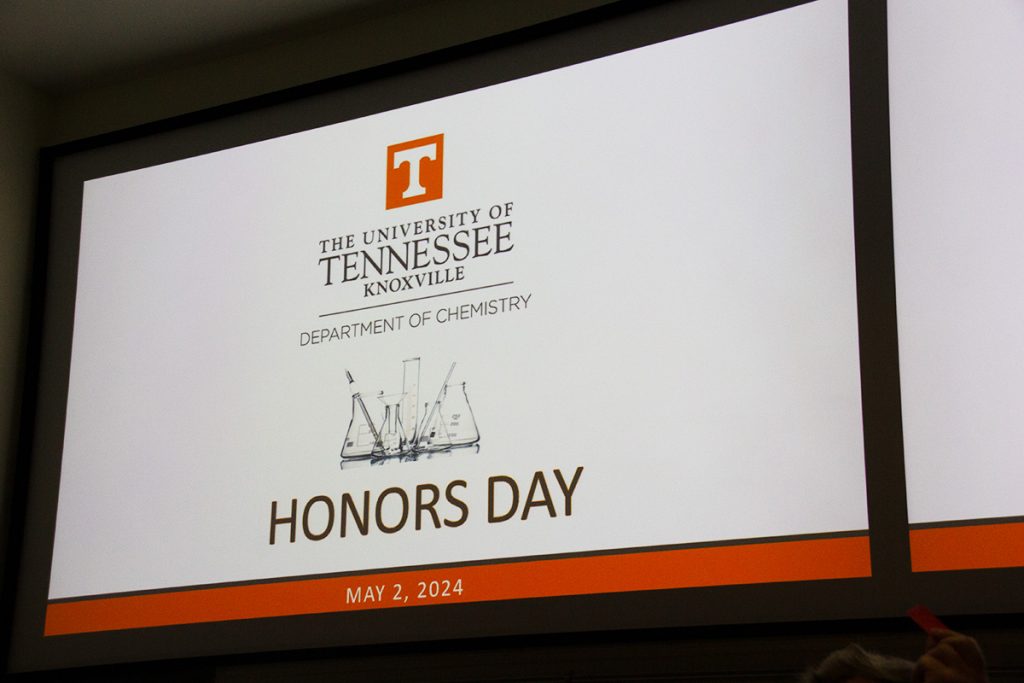
Slide on a screen showing Chemistry Honors Day
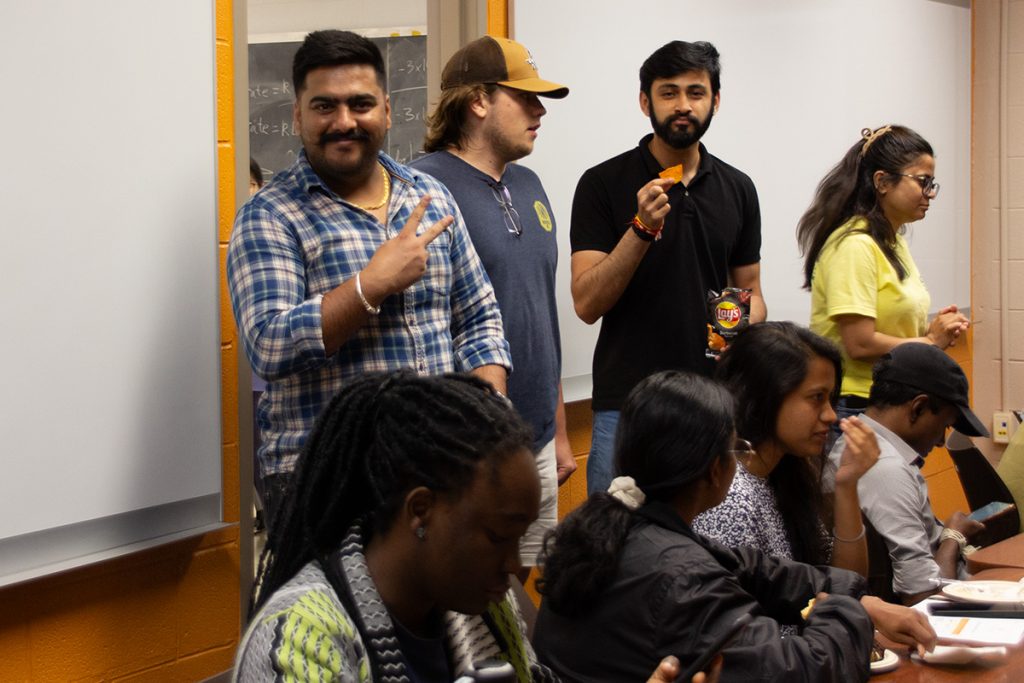
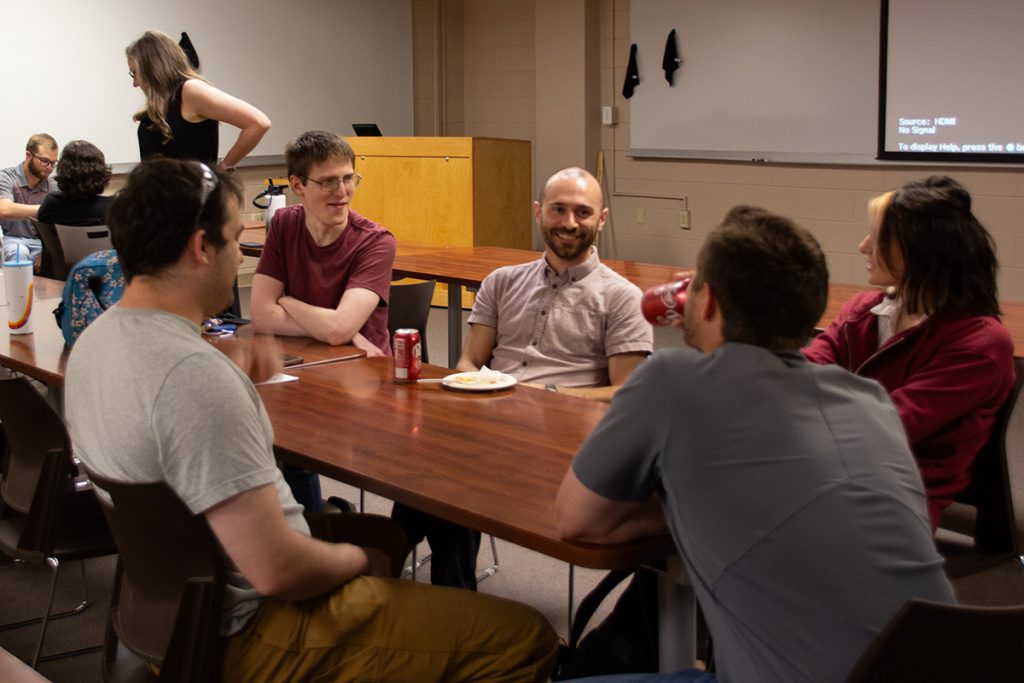
People eating and talking at the event
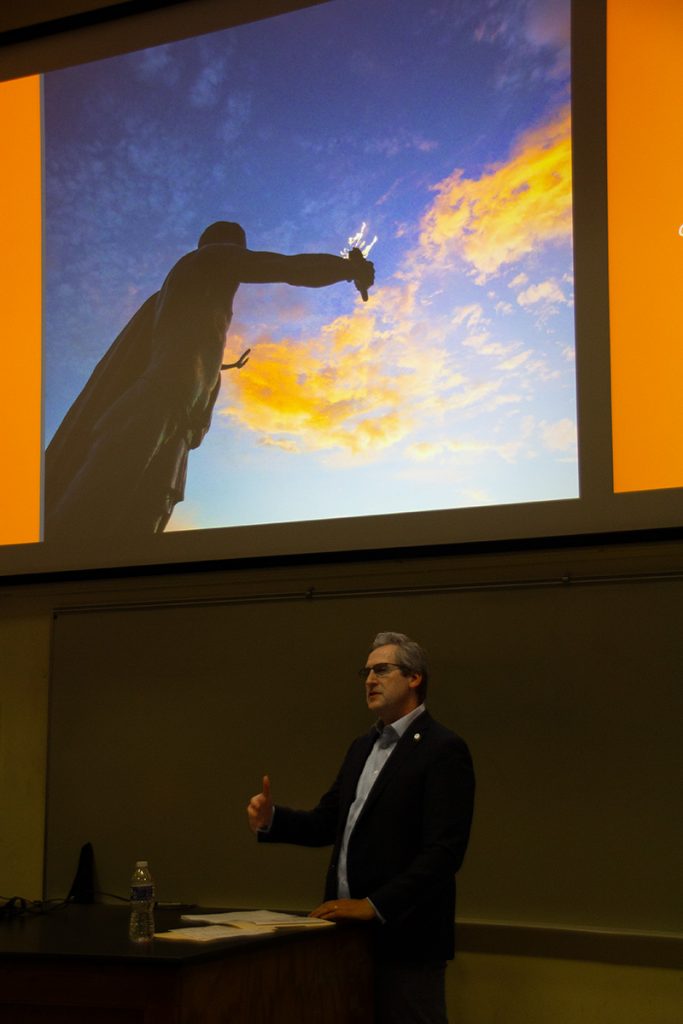
A man speaking with a photo of the Torchbearer statue behind him
A man talking behind a table
A thank you slideshow
Someone holding a small dog on their lap
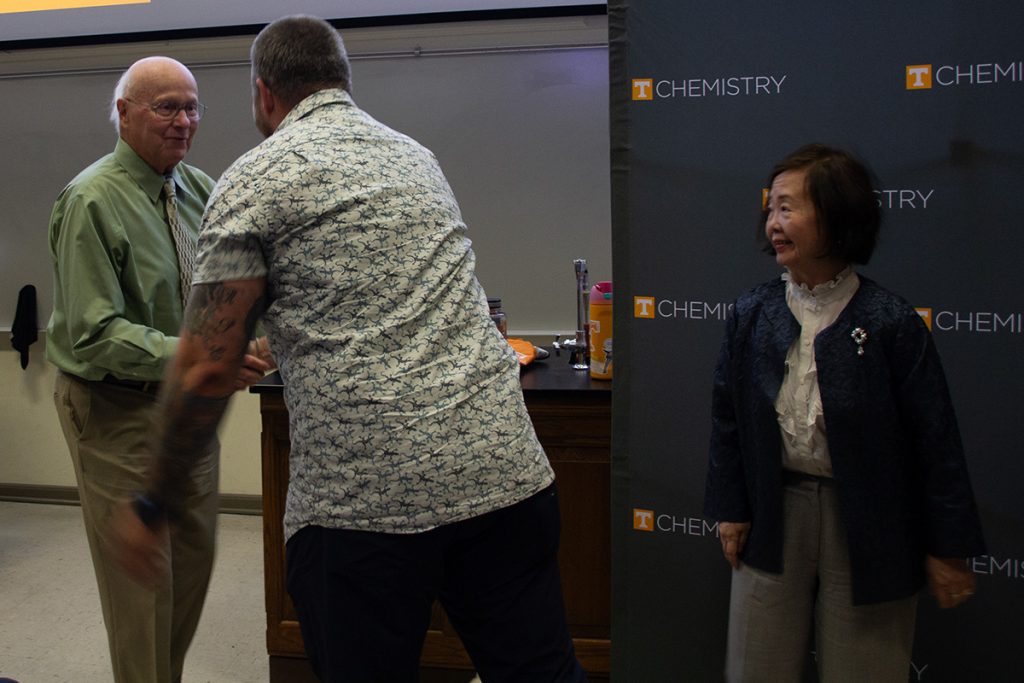
Men shaking hands
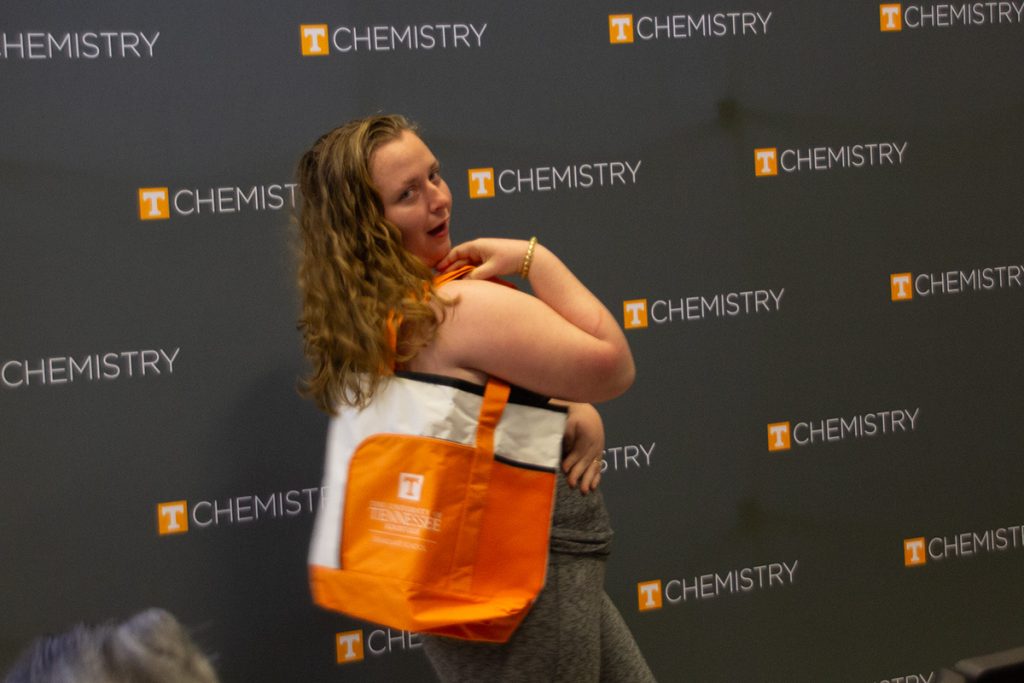
A woman holding an orange UT tote bag

Filed Under: News

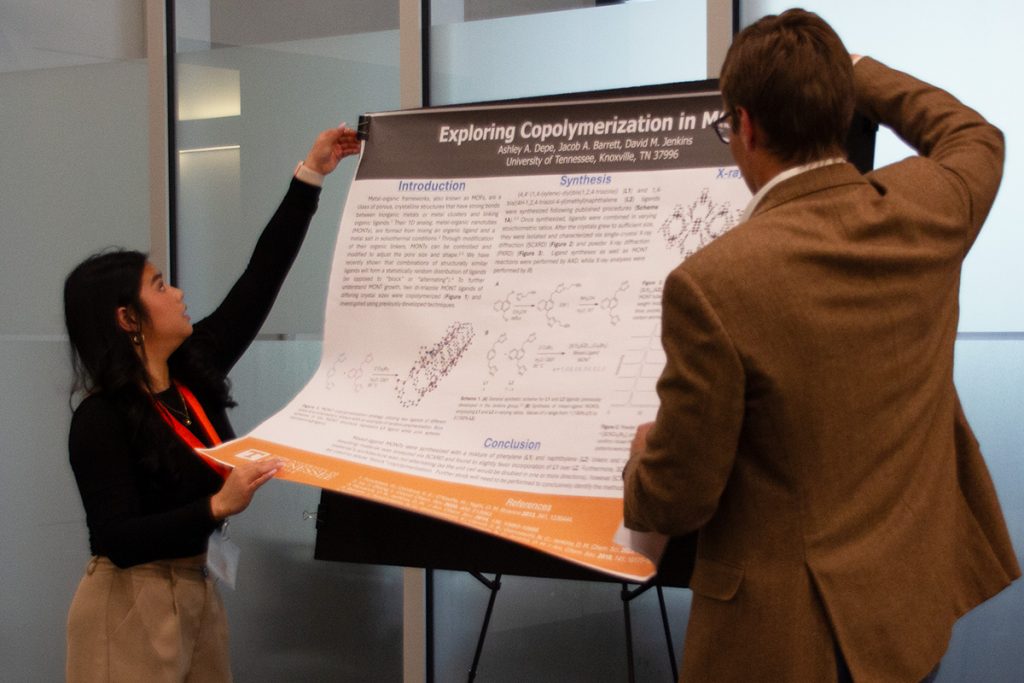
Photo of a poster session

2024 Undergraduate Awards

May 7, 2024 by Jennifer Brown

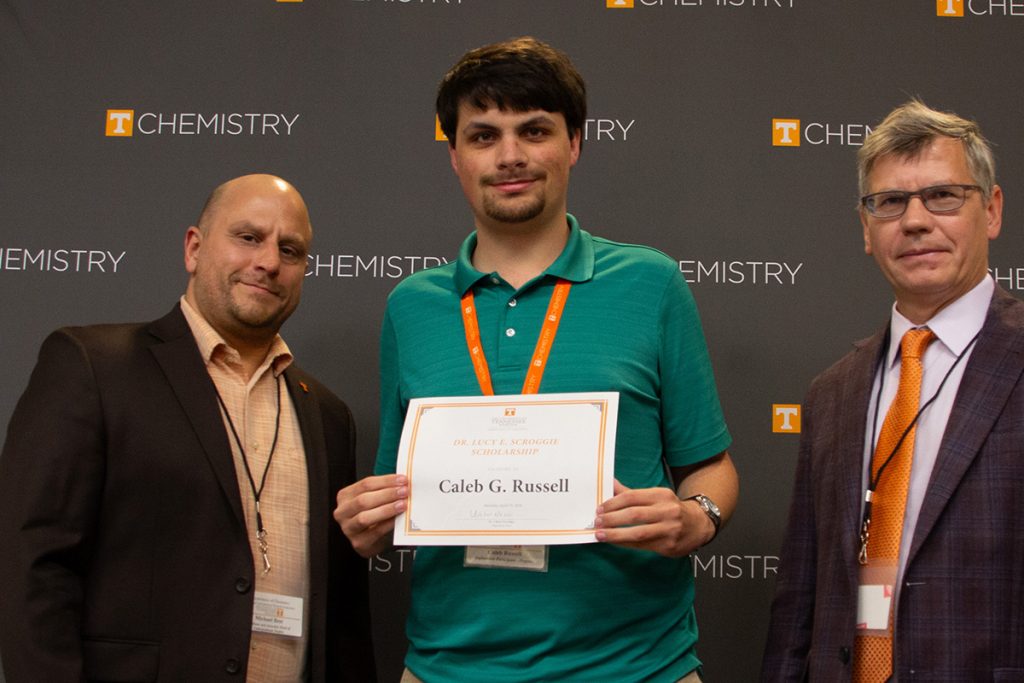
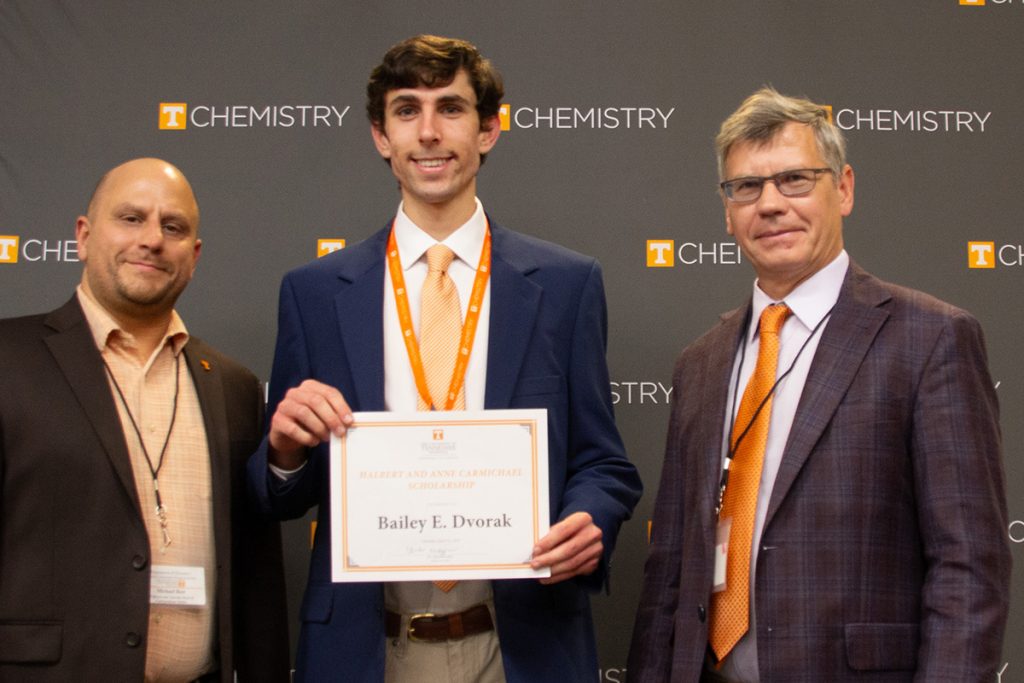
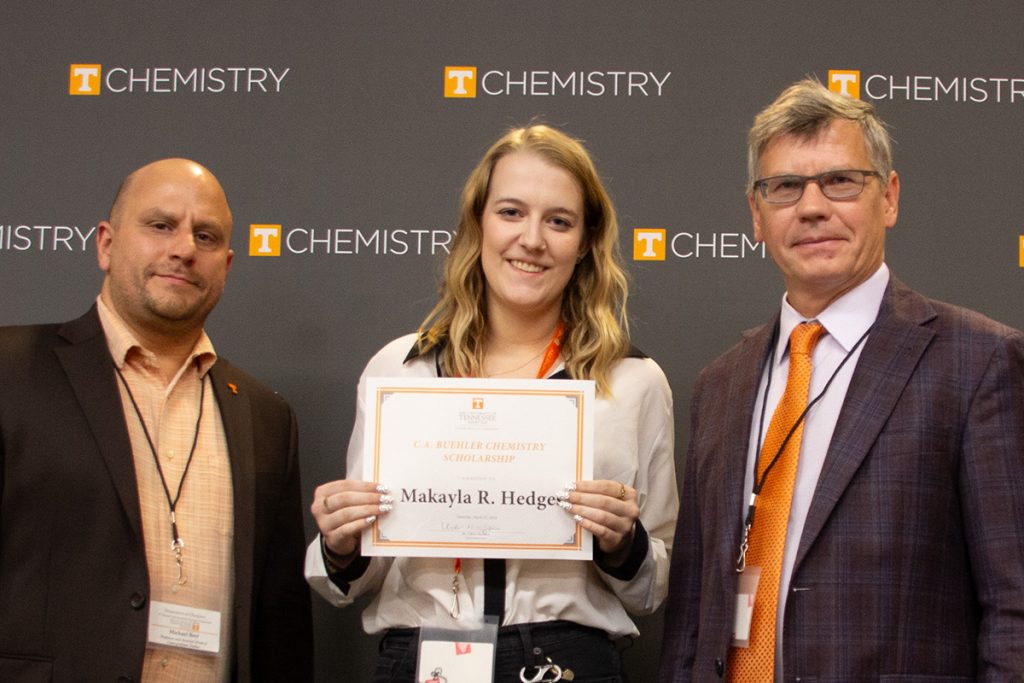
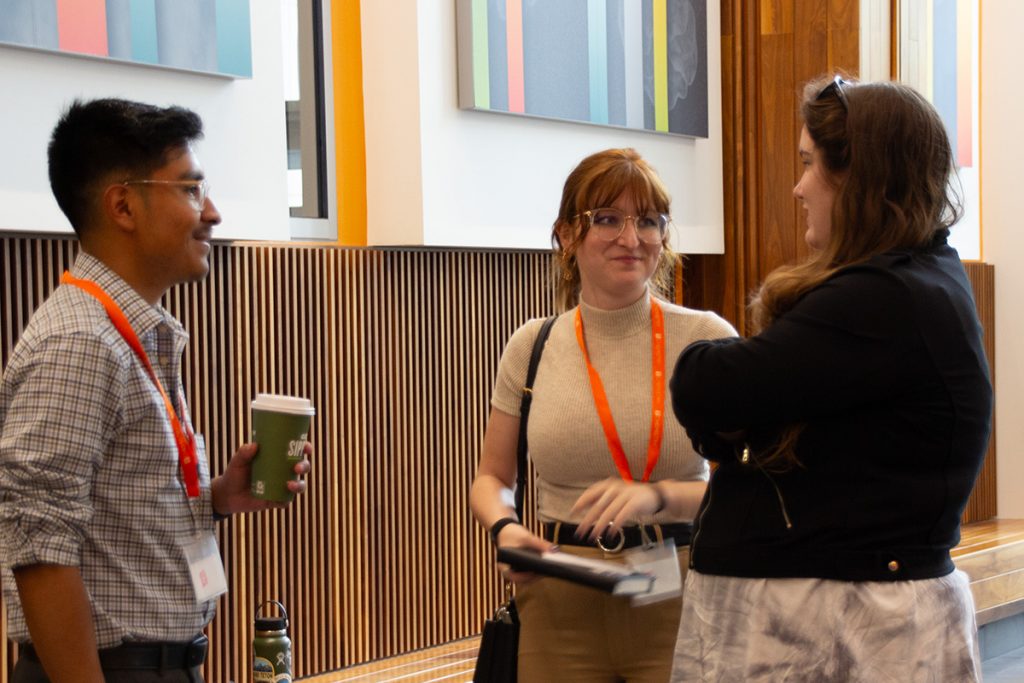
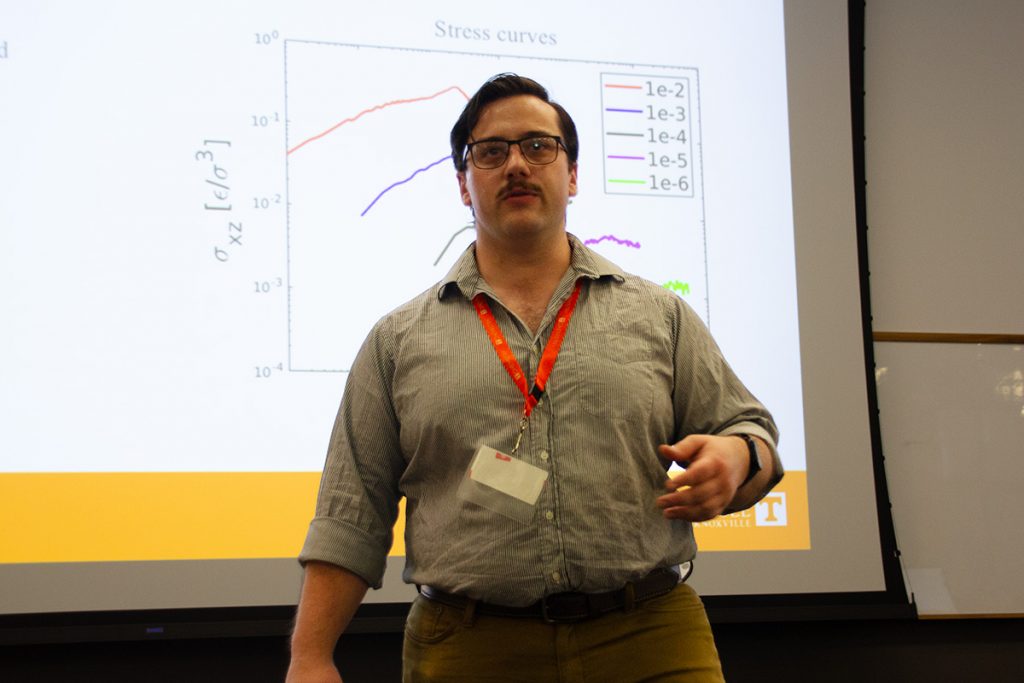
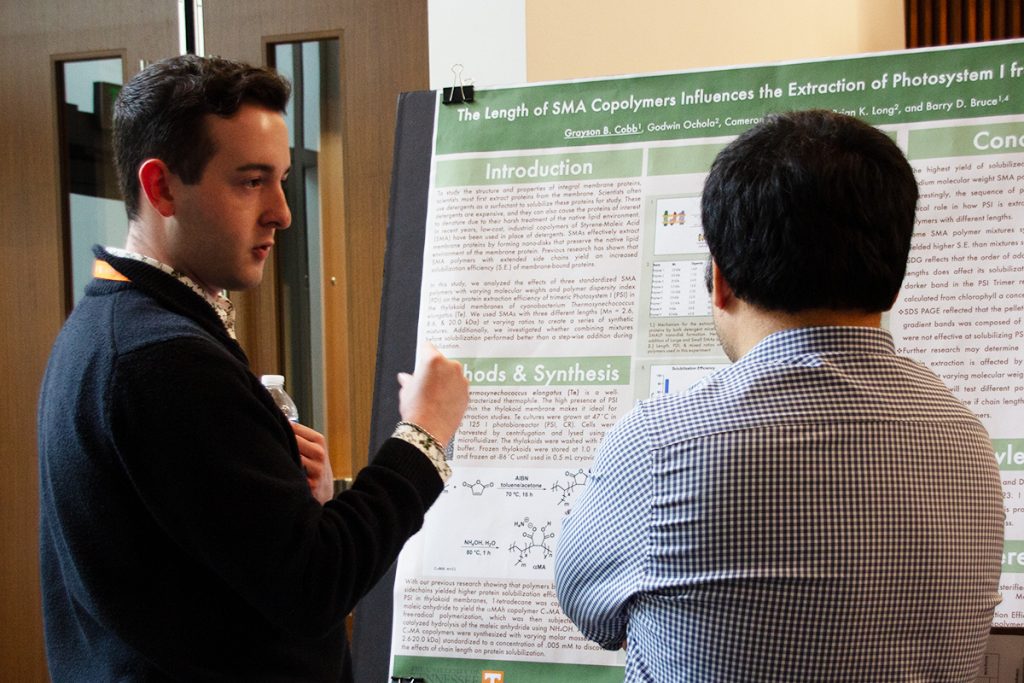
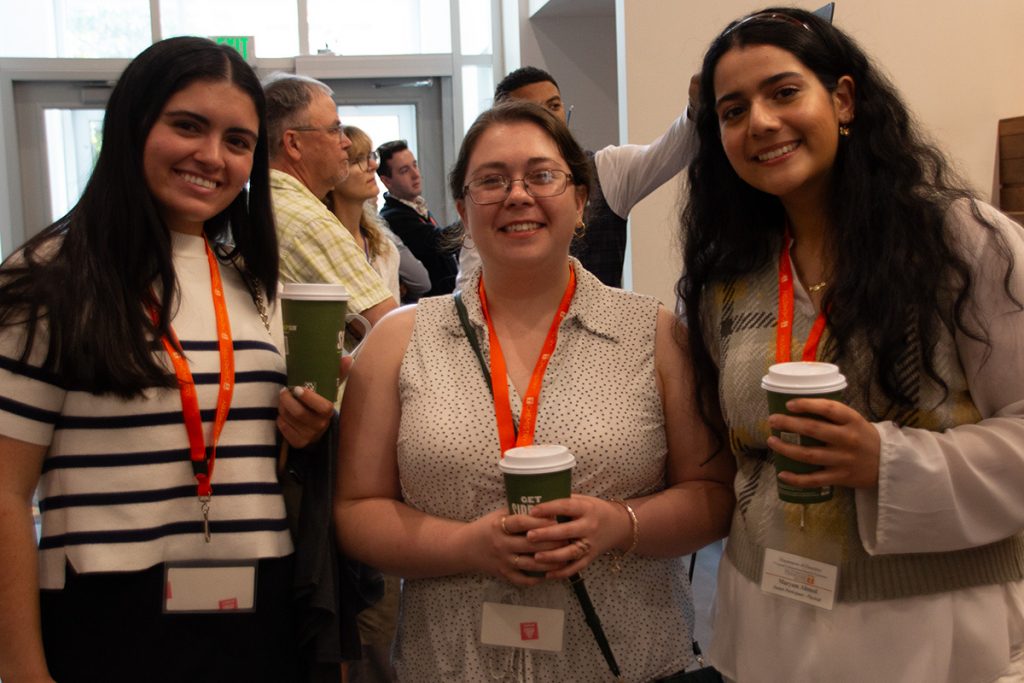
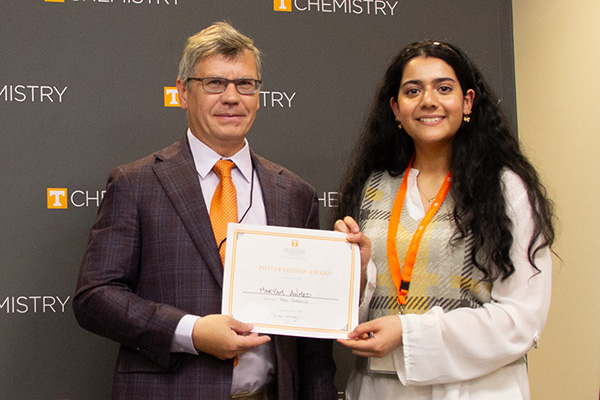
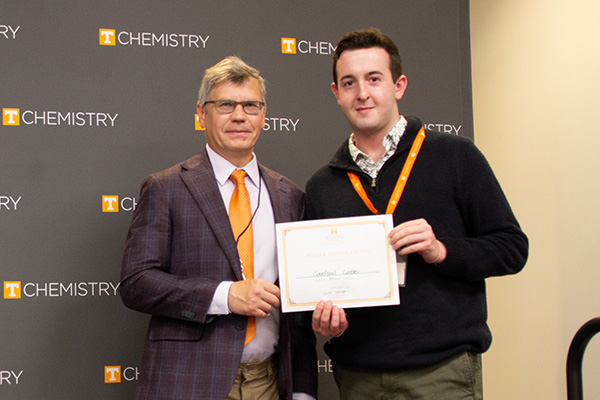
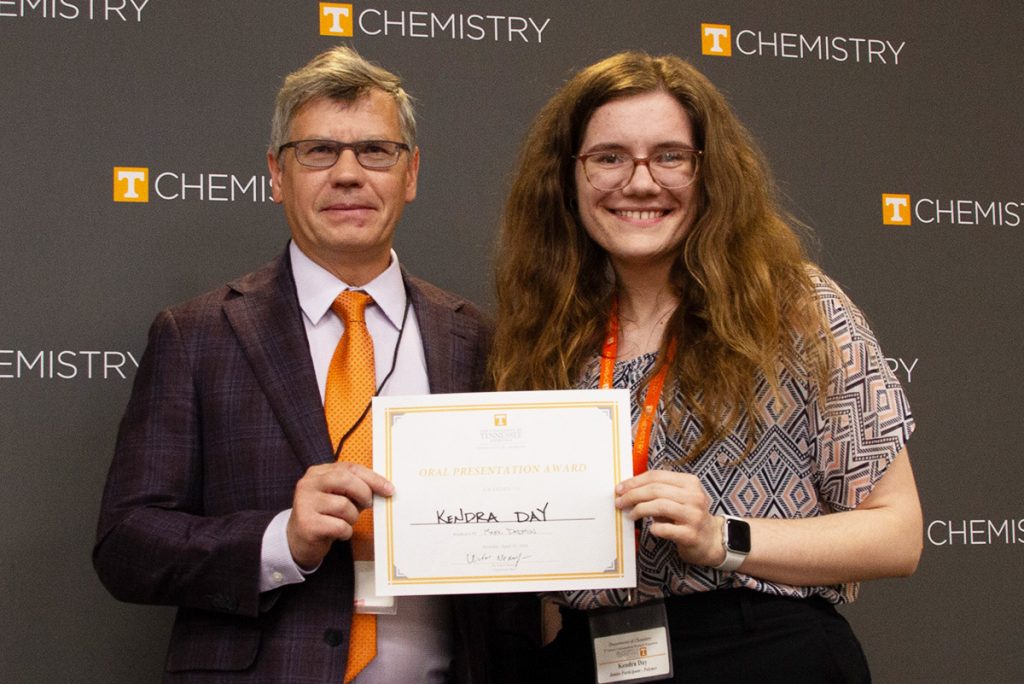
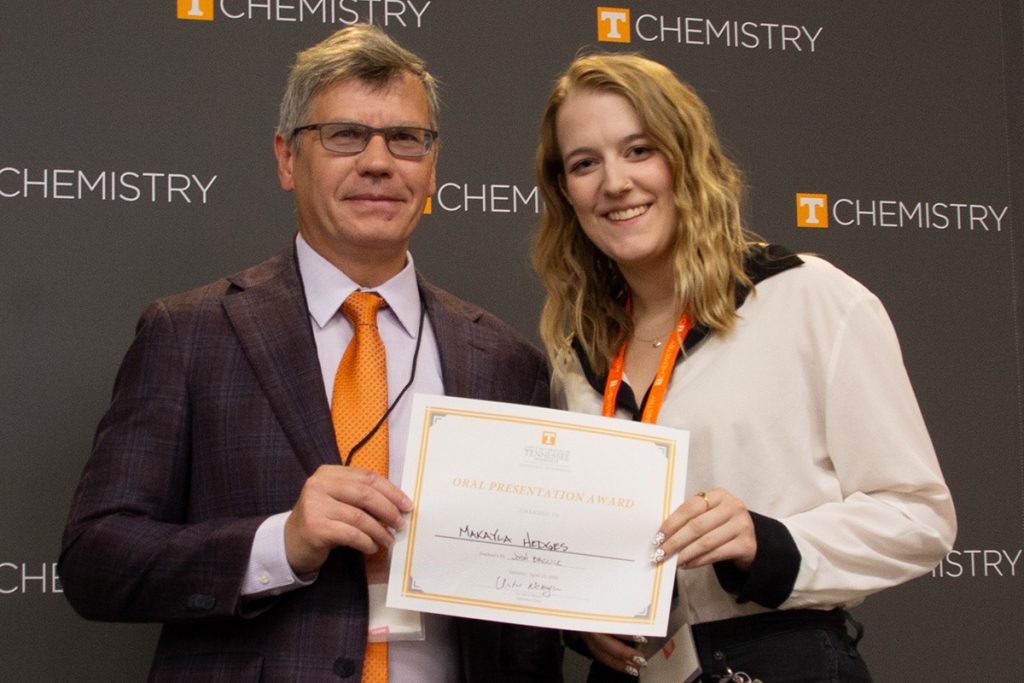
On Saturday, April 27th the 3rd annual Undergraduate Research Symposium took place in Mossman Hall, with undergraduate students participating in poster and oral presentation competitions. Following the symposium, chemistry undergraduates, family and friends attended the accompanying awards dinner where symposium awards and undergraduate scholarships were distributed. Congratulations to all of this year’s winners!

Undergraduate Research Symposium Award Winners

Poster Award Winner

Maryam Ahmed

Poster Award Winner

Grayson Cobb

Oral Presentation Winner

Kendra Day

Oral Presentation Winner

Makayla Hedges

Scholarship Award Winners

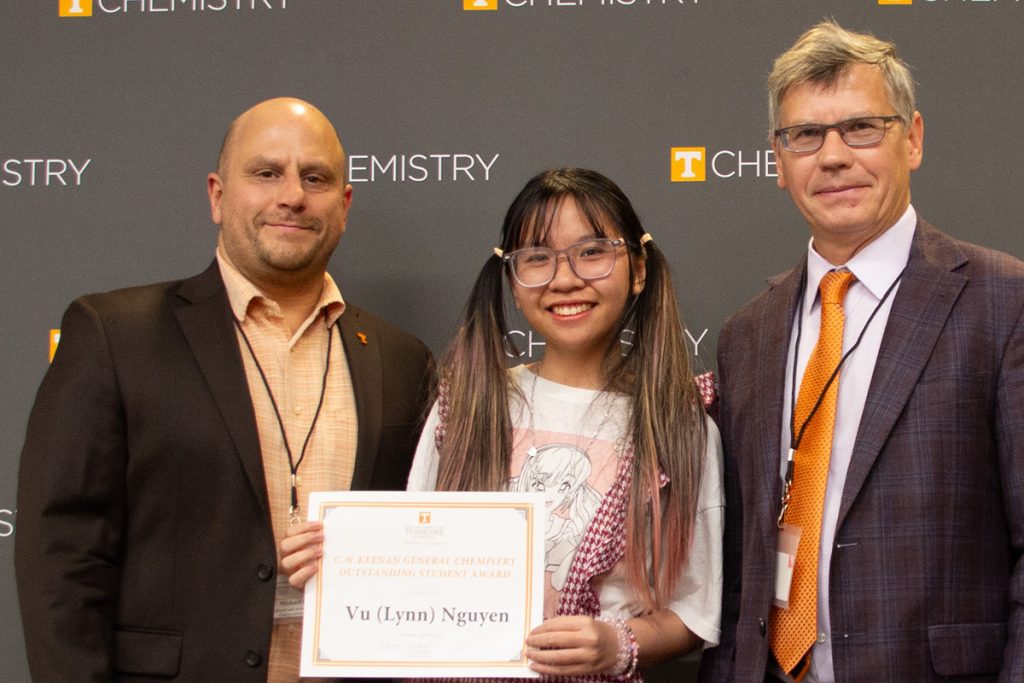
C.W. Keenan Outstanding General Chemistry Student Award

Vu (Lynn) Nguyen

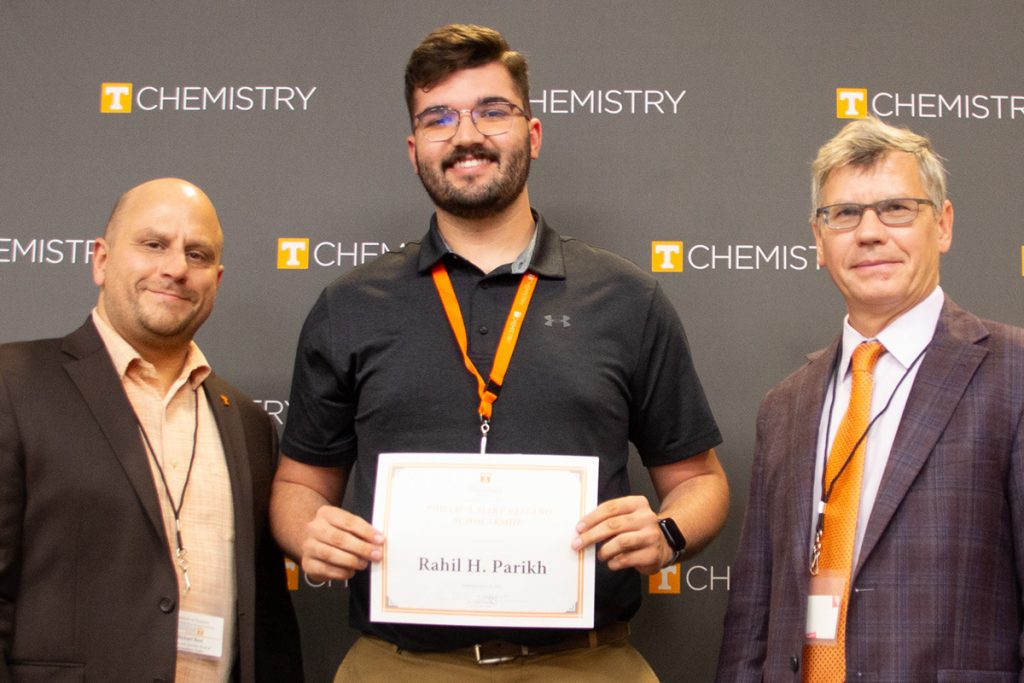
Phillip & Mary Reitano Award

Rahil Parikh

Dr. Lucy E. Scroggie Scholarship

Caleb Russell

Halbert and Anne Carmichael Scholarship

Bailey Dvorak

C.A. Buehler Chemistry Scholarship

Makayla Hedges

Additional Awards (not pictured)

ACS-Hach Land Grant Scholarship

Nathan Stimpson

CRC Press General Chemistry Award

Reed Heflin

Melaven-Rhenium Scholarships

Bailey Dvorak
Chloe Earls
Alexandria Wood

Filed Under: News, Uncategorized, undergraduate

Chemistry Professor Emeritus Michael J. Sepaniak Passes Away

April 8, 2024 by Jennifer Brown

It is with great sadness that we commemorate the passing of Michael J. Sepaniak, professor emeritus of chemistry. Sepaniak joined the Department of Chemistry at the University of Tennessee, Knoxville in 1981, where he spent nearly 40 years conducting research, teaching, and mentoring graduate students.

During his time at UT, Sepaniak investigated microfluidics, optical spectroscopy, and chemical sensing. He was a Paul and Wilma Ziegler Professor of Chemistry and served as department head from 1995 through 2003. Sepaniak retired in 2018, but maintained a post-retirement position with the department until 2020.

He will be greatly missed. The Department of Chemistry is grateful for his service and time at the university.

Filed Under: News

Dylan Andrews

Rising Scholars: Dylan Andrews

December 6, 2023 by Jennifer Brown

Some students begin their college careers knowing they want a good education but unsure about what comes next, while others move in to their dorms with the next steps toward their career firmly in mind.

Dylan Andrews, senior honors chemistry major, was one of the latter. A native Tennessean, Andrews came to the University of Tennessee, Knoxville in pursuit of an education that would ultimately get him to medical school, starting with an undergraduate degree in chemistry.

“I was fortunate enough to have a really amazing chemistry instructor in high school, Mr. Mark Page. He was one of those teachers who truly makes an impact on you and he really helped me develop a love for chemistry,” said Andrews.

As he pursued his degree at UT, Andrews began to see participating in research as an opportunity to make the most of his time at the university and better prepare himself for the future. He broached the topic with Professor Janice Musfeldt, who was teaching one of his classes at the time.

“I think this is a really good example of how students can get involved in research in the department. Dr. Musfeldt and I built a good relationship over the course of the semester. I also met one of her graduate students and attended a seminar delivered by her colleague, Hans Bechtel. This let me get to know her group and her research, while showing her that I was engaged and interested,” said Andrews.

Hans Bechtel is the infrared program lead for the Advanced Light Source (ALS) at Lawrence Berkeley National Laboratory. His ongoing relationship with the Musfeldt Group has led to him co-authoring several publications with its members. Bechtel visited the university to deliver a seminar and, over the course of conversation afterwards, suggested Andrews apply for a Department of Energy (DOE) summer internship at the Lawrence Berkeley Lab later in the year.

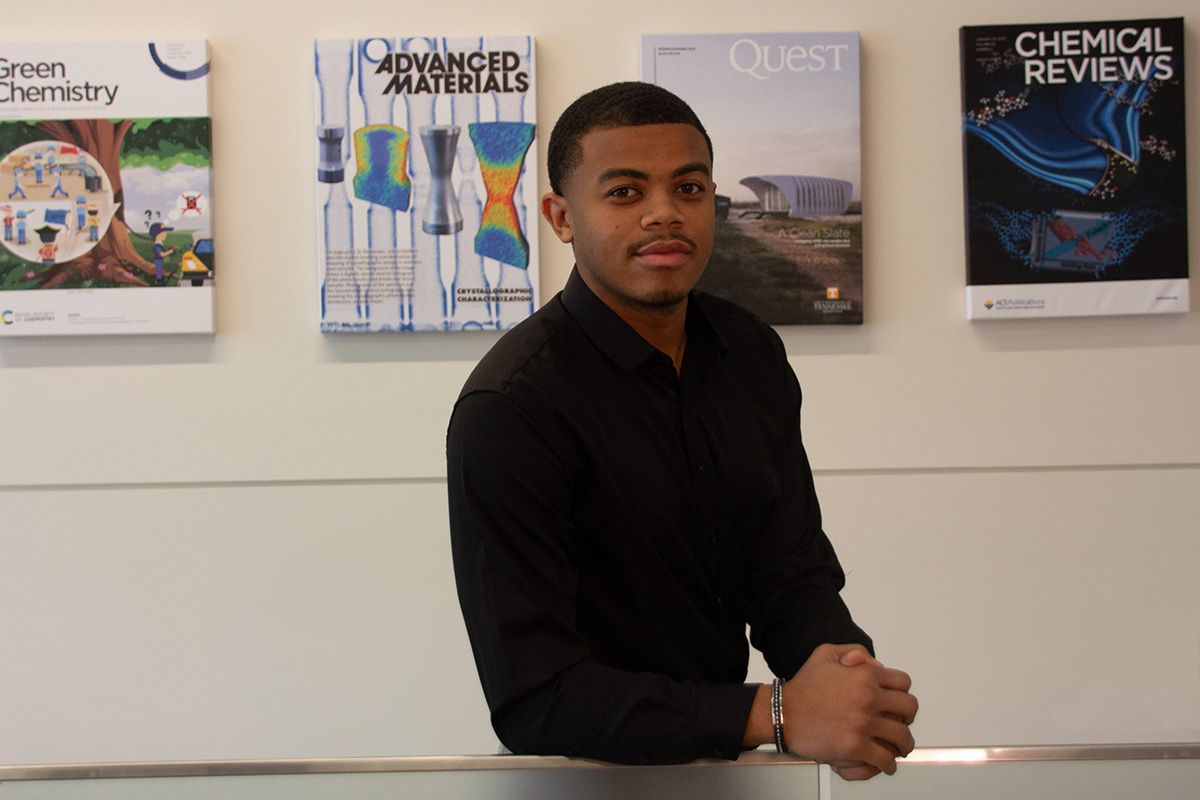
A young black man wearing a black dress shirt and a silver bracelet on his right wrist. He leans forward against a silver railing. Behind him is a light colored wall with canvas prints of journal covers. He looks at the camera with a pleasant neutral expression.

The next semester Andrews embraced research in the chemistry department as the next step toward his goals. He registered for the undergraduate research course and joined the Musfeldt lab. Heeding Bechtel’s advice, Andrews also applied for and was awarded a place in the DOE summer program at Lawrence Berkeley.

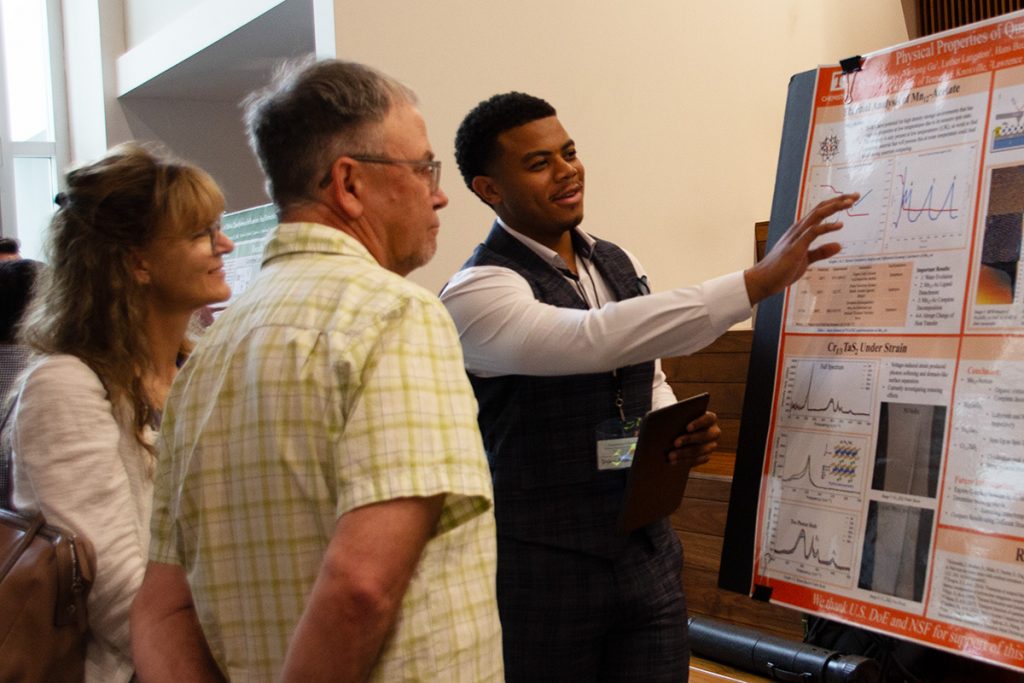
Near the end of spring semester, Andrews participated in the Department of Chemistry’s annual Undergraduate Research Symposium, presenting a poster to a panel of judges including departmental alumni, retired faculty, and industry partners. This experience gave Andrews his first chance to speak publicly about his research; an opportunity that would pave the way for future poster presentations.

At the end of his internship at Lawrence Berkeley Lab, Andrews entered and placed third in a poster competition designed to evaluate the presentation skills of the participants. The presentations were conducted via Zoom, allowing members of Andrews’ research team in the Musfeldt Group to join and support him.

Andrews plans to graduate in December 2024 and go on to medical school. He believes his experience in the Department of Chemistry and the relationships forged there have prepared him to meet the challenges of a future in medicine.

“Dr. Musfeldt, and really every faculty member I’ve worked with in the department, do everything they can to plug their students into new opportunities and point out things they could do to better themselves as students and researchers. I would probably never have known about that DOE internship if I hadn’t been introduced to Dr. Bechtel,” said Andrews. “The relationships I’ve developed and the support I’ve experienced in the chemistry department have really helped me excel as a student, which will help me through all the next stages of my education and career.”


Filed Under: News, Physical Chemistry, Undergraduate Student Spotlight Tagged With: Janice Musfeldt, physical chemistry

headshot

Xue Group Publishes in Nature Communications

November 17, 2023 by Jennifer Brown

The Xue Research Group has published their recent work in the journal Nature Communications. The Xue Group is helmed by Professor Ziling (Ben) Xue, whose work includes materials chemistry and the study of magnetism.

Xue’s paper, “Haldane topological spin-1 chains in a planar metal-organic framework” describes his group’s work exploring the magnetic properties of NiBO. NiBO was previously reported as part of a family of two-dimensional metal coordination polymers, also known as MOFs (Metal-Organic Frameworks) but the possible topological magnetic properties of the material had not been investigated.

Xue’s team used a variety of techniques to examine the material, including variable-temperature powder neutron diffraction, inelastic neutron scattering, and Monte Carlo simulations of the spin-1 chains found in NiBO. They began testing not knowing what NiBO would reveal but the results of their work showed the material fell into a particular category of magnetic materials known as Haldane topological solids.

Haldane topological materials possess a specific magnetic characteristic that makes them potentially useful in spintronics (or spin electronics) and quantum computing. Xue’s findings could be relevant to the development of next-generation storage materials and the future of medical detectors.

Xue’s team included recent PhD graduate Pagnareach Tin and current PhD student Michael Jenkins, whose work he described as critical to the success of the project. The team also collaborated with Jie Xing and Rongyin Jin at the University of South Carolina, Nils Caci and Stefan Wessel at RWTH Aachen University in Germany, J. Krzystek at National High Magnetic Field Laboratory, and Zheng Gai, Cheng Li, Luke Daemen, and Yongqiang Cheng at Oak Ridge National Laboratory.

Read the full article here.

Filed Under: Inorganic Chemistry, News Tagged With: inorganic, Xue

Vogiatzis Featured Image

Vogiatzis Group Publishes in Journal of Physical Chemistry Letters

July 31, 2023 by Jennifer Brown

Grier Jones, fifth year chemistry PhD student, and Associate Professor Konstantinos Vogiatzis recently published a new data-driven quantum chemistry method, based on the reduced-density matrix (RDM) formulation of quantum mechanics, in the Journal of Physical Chemistry Letters. This publication was developed in collaboration with University of Tennessee, Knoxville alumnus Professor A. Eugene DePrince (’05) and his research group at Florida State University. DePrince’s group specializes in the development of novel RDM methods for the treatment of strongly correlated electrons.

Strong electron correlation lies at the heart of molecular quantum mechanics and, in particular, at the heart of electronic structure theory. Configuration interaction (CI) theory provides an exact description of strong correlation, but it suffers from exponential scaling with respect to the number of correlated electrons and orbitals. As an alternative, variational two-electron RDM (v2RDM) methods have been introduced since the energy of a many-electron system can be formulated exactly using the two-electron RDMs (2RDMs). One interesting property is that the 2RDM can be formulated without explicit knowledge of the wave function. In practice, finding a wave function that maps explicitly to the 2RDM can be very tricky, and the resulting deviation between CI- and RDM-based methods can be very large.

To resolve this issue, a collaboration between the Vogiatzis and DePrince groups lead to the development of the data-driven v2RDM (DDv2RDM) method to learn CI-quality energies using data generated using the v2RDM-complete active space self-consistent field (CASSCF) method. Using proof-of-principle calculations, they found that the model learns the correction the v2RDM energy near-chemical accuracy (1 kcal/mol). They also introduced the use of SHapley Additive exPlanation (SHAP) values, a feature importance method based on cooperative game theory, to analyze the how their physics-based features affect model performance. The SHAP analysis confirmed that the features that impact the model performance the most (and least) correspond well to insights based on physical principles.

Read the full article here.

Filed Under: News, Physical Chemistry, Vogiatzis Tagged With: Grier Jones, Konstantinos Vogiatzis, physical chemistry, quantum chemistry

Smith diagram

Smith Breaks New Ground with Domain Wall Research

July 25, 2023 by Jennifer Brown

Kevin Smith, recent Ph.D. graduate from the department of chemistry, and Professor of Chemistry Janice Musfeldt have published the results of a collaborative investigation into the properties of ferroelectric domain walls. This research has generated a greater understanding of both a specific material, and domain walls in general, expanding the foundational knowledge critical to effectively using domain walls in future technologies.

Smith joined the chemistry department as a graduate student in 2015 and very quickly began investigating domain walls. Domain walls act as the boundaries between regions, or domains, of materials and have the potential to impact the properties and uses of that material.

Smith’s work specifically investigates the domain walls of ferroelectric materials, which have been a source of interest in the development of electronics. Efforts have been made to use domain walls as functional parts of devices as they could offer high speed memory reading and writing while requiring less energy to function.

Before ferroelectric domain walls can be successfully leveraged, researchers must develop a fundamental understanding of them and how they behave. It has long been hypothesized that these domain walls are atomically thin and conductive, but this had never been confirmed with a direct measurement at the wall. Smith and Musfeldt began investigating ferroelectric domain walls not with the intention of addressing this long-held belief, but with the goal of uncovering foundational information that could contribute to a greater understanding of these materials.

A collaboration with a group of physicists at Rutgers university, led by Henry Rutgers Professor Sang-Wook Cheong, provided Smith the material with which to begin his exploration.

“Our synthetic collaborators at Rutgers grew the material for us and provided some basic mapping on where to look for the domain walls,” said Smith. “We performed a line scan of the material with the near-field infrared microscope at Beamline 2.4 of the Advanced Light Source, or ALS, at Lawrence Berkeley National Lab. That’s when we started seeing these differences that we weren’t expecting to see.”

When thinking of a solid object, the expectation is often that the object is fairly uniform and that the components creating it are evenly distributed throughout that object. However, with the material Smith was investigating, the scan’s results were pointing toward different organizations of the material’s component parts in different regions of the material.

Smith and Musfeldt knew if they were going to uncover the source of these differences, they were going to need to investigate the material further, using the high-resolution infrared technique at the ALS to scan the material more thoroughly.

Beamline 2.4 of the ALS couples an atomic force microscope with synchrotron-generated infrared light to perform nanospectroscopy to examine materials on a much smaller scale than traditional microscopes. The microscope uses extremely sharply focused light delivered to an object at a very close distance. The response of the light as it interacts with the object is then collected and used to determine what is happening in that object.
“Using the ALS allowed us to examine these differences we were seeing in much greater detail. The material that we were studying was grown in such a way that it had two different types of metals in its A-site, scandium and lutetium. The ALS let us tease out three compositional arrangements for these materials that explained the differences. We found regions that were fairly evenly distributed, as well as both scandium-rich and lutetium-rich regions,” said Smith.

In addition to explaining the differences in domains with slightly different local composition, Smith and Musfeldt were able to determine the domain walls themselves were, in fact, much wider than traditionally believed. They also concluded that while they may have different conductivity than the surrounding regions, the domain walls were not metallic.

By successfully imaging ferroelectric domain walls, Smith and Musfeldt have accomplished something that has never been done before. As a result, they not only created a deeper understanding of these domain walls in a specific material, but also upended long-held beliefs about domain walls in general, paving the way for future innovation. Their work further highlights the importance of foundational and exploratory research in the development of future breakthroughs.

“This project really highlights the importance of curiosity in research,” said Musfeldt. “Kevin took an exploratory project and turned it into the most exciting thing in our lab with far-reaching implications.”

New materials are one potential path to improving existing technologies and generating new means of meeting the modern needs of people and society. Materials, however, are only useful insofar as they can be understood. Smith and Musfeldt’s work digs into the fundamental science behind a material’s properties, simultaneously creating a better understanding of that material and creating a roadmap for more effective uses for it in the future.

The full publication describing this research can be read here.

Filed Under: Graduate Student Spotlight, Musfeldt, Physical Chemistry Tagged With: Kevin Smith, physical chemistry

  • « Previous Page
  • 1
  • 2
  • 3
  • 4
  • 5
  • Next Page »

Chemistry

College of Arts & Sciences

552 Buehler Hall
1420 Circle Dr.
Knoxville, TN 37996-1600

Email: chemistry@utk.edu

Phone: 865-974-3141

Facebook Icon  X Icon  Instagram Icon  YouTube Icon LinkedIn Icon

The University of Tennessee, Knoxville
Knoxville, Tennessee 37996
865-974-1000

The flagship campus of the University of Tennessee System and partner in the Tennessee Transfer Pathway.
ADA Privacy Safety Title IX