• Request Info
  • Visit
  • Apply
  • Give
  • Request Info
  • Visit
  • Apply
  • Give

Search

A-Z Index Map

Chemistry

  • About
    • Student Organizations
    • Connect With Us
    • Careers With Us
    • Employee/Student Travel Request
  • Undergraduate Students
    • Majors and Minors
    • First Year Students
    • Undergraduate Research
    • Summer Programs
    • Chemistry Lab Excused Absence
    • Apply
  • Graduate Students
    • Prospective Students
    • Admitted Students
    • Current Students
    • Research Open House
    • Chemistry Graduate Student Handbook
  • Faculty
  • People
  • Research
    • Research Areas
    • Facilities
  • News
  • New Chemistry Building
Home » News

News

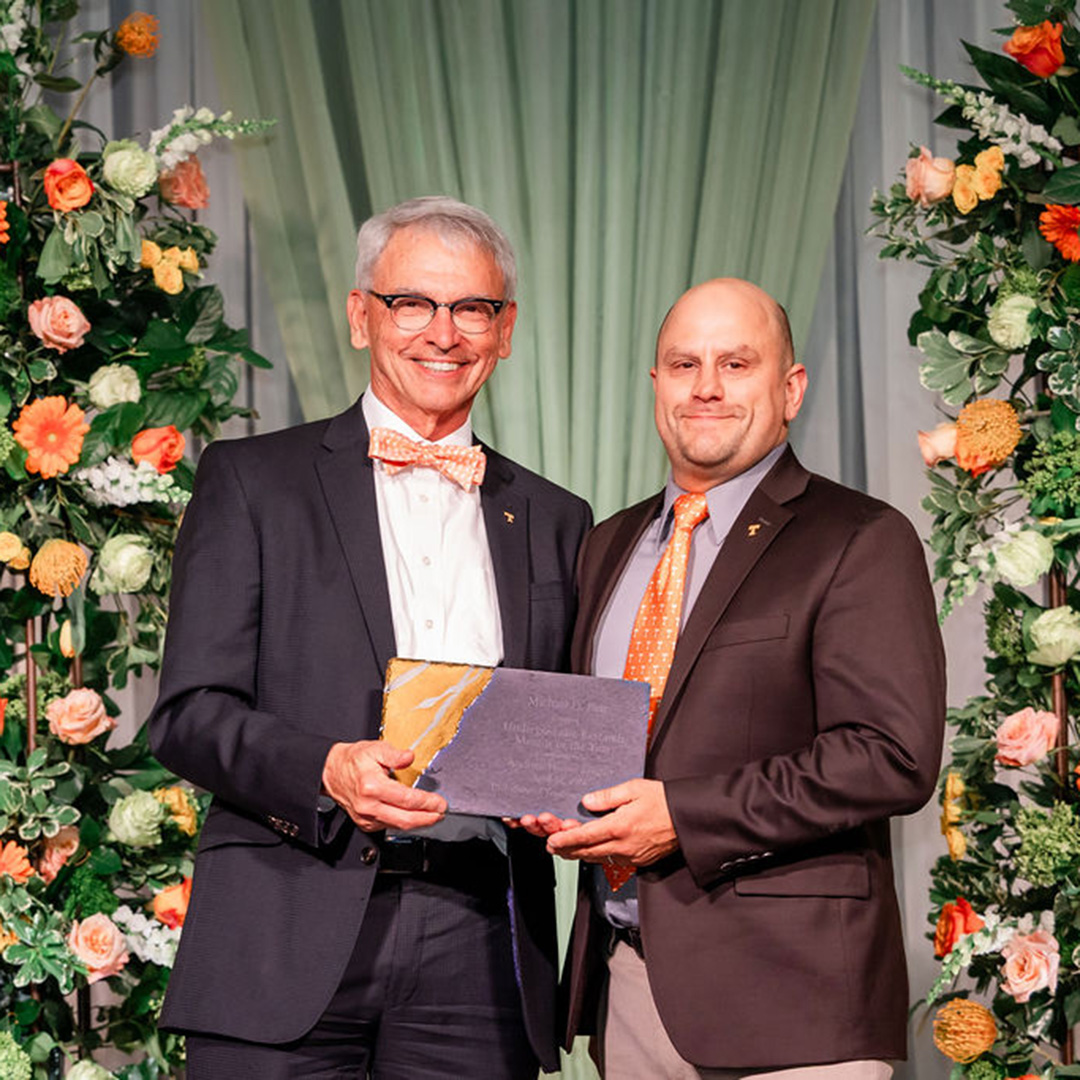
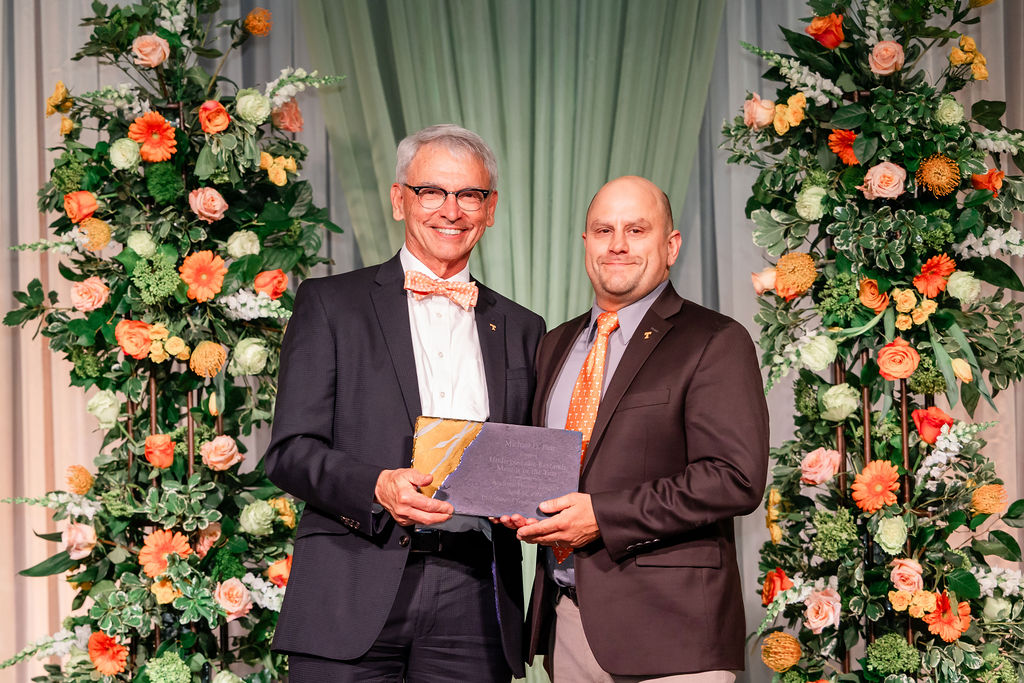
Rhonda Wallace poses with friends and family amidst a backdrop of flowers.

Wallace Receives Mary Lynn Glustoff Award

March 31, 2026 by Kaitlin Coyle

Filed Under: Featured, News

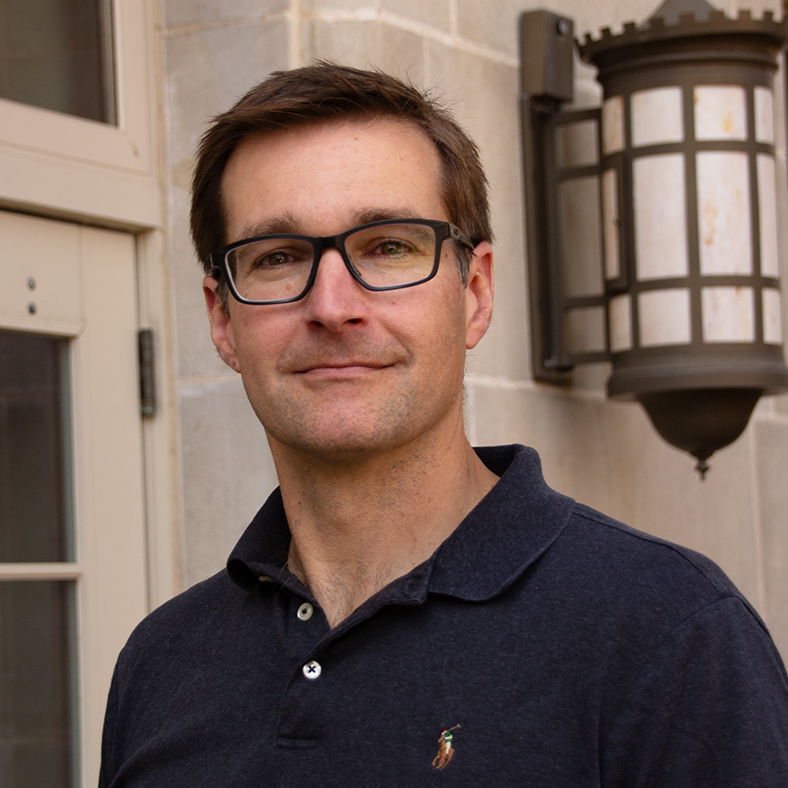
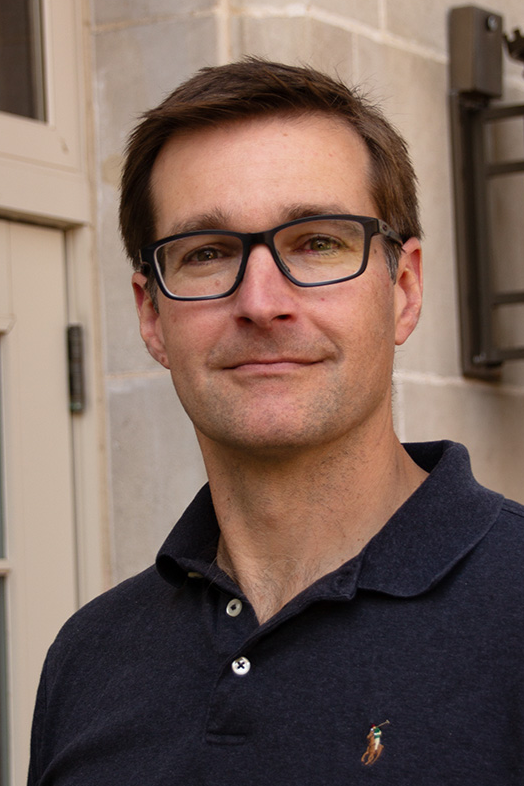
Joseph Clark stands in front of an academic building, smiling at the camera.

Clark-Led Partnership Aims to Deliver Safer, Better Tolerated Drugs

March 27, 2026 by Jennifer Brown

Joseph Clark stands in front of an academic building, smiling at the camera.

Joseph Clark, assistant professor of chemistry, recently published new research describing a method for precision control of the structure of deuterated compounds, which could impact future drug discovery as it relates to patient health.

Deuterium is a naturally occurring isotope of hydrogen that is being leveraged in drug development as either a means to improve existing drugs, or discover new drug candidates. Deuterated molecules are created by replacing a hydrogen atom with a deuterium atom. The resulting molecule is often more stable and can have several pharmaceutical benefits.

Clark’s research is focused on the construction and investigation of organic molecules. Likening this work to that of an architect, he compares finding the best position for atoms in a molecule to identifying the best placement for a window in a building. There may be multiple positions that create an effective drug, but being able to control the placement of specific atoms can help identify the best possible version of that drug.

“What we can do in drug discovery is swap out a molecule’s hydrogen for a deuterium, and if we can select the deuterium’s position in that drug molecule, we can build a better drug with fewer potential side effects,” said Clark. He added that this can lead to better health outcomes as patients may no longer have to decide between treating their condition and managing any undesirable effects of the treatment.

Clark’s recent publication focuses on a new means of controlling the placement of deuterium within a molecule. His team worked with Brooks Pate, MacArthur Fellow and chemistry professor at the University of Virginia, to develop an academic-industry collaboration that includes Vertex Pharmaceuticals and BrightSpec Inc.

Vertex Pharmaceuticals is responsible for the drug Alyftrek, an FDA-approved deuterated drug used to treat cystic fibrosis. Working with Vertex provided Clark’s team with valuable insight into the organization’s creation and use of deuterated molecules.

“We had this idea that you could take allenes, which is a common functional group in organic chemistry and transform those into these highly valuable deuterated products,” said Clark. “We were approached by Vertex Pharmaceuticals to collaborate on this project, and we saw a lot of value in the resources and experience they could bring in deuterated drug discovery.”

Lihan Qi, a graduate student in Clark’s research group and co-author of the publication, worked closely with their industry partners, carrying out the group’s research in the laboratories of Vertex Pharmaceuticals.

A recently awarded NIH grant provided an opportunity for Clark’s team to engage the expertise of a second industry partner; BrightSpec Inc. BrightSpec specializes in instrumentation using molecular rotational resonance spectroscopy (MRR), which allows for the rapid characterization of the unique 3 dimensional structure of small molecules.

“Working with BrightSpec has brought an aspect of innovation to the research that we couldn’t have envisioned prior to collaborating with them. Instrumentation developed by BrightSpec allowed us to characterize and quantify all the isotopic species in our reactions. We were then able to leverage the expertise of our academic collaborators on Dr. Pate’s team and BrightSpec in conjunction with our new instrumentation to perform the research,” said Clark. Clark and his team worked closely with their partners, creating a unique collaboration that paired academic expertise with real-time, ongoing industry input. The resulting research provides a critical new tool for the future of safe, effective drug development.

Filed Under: News, Organic Chemistry, Uncategorized Tagged With: Clark, deuterated molecules

Student Spotlight: Sargent-Glover Uses Near-Field Spectroscopy to Investigate Domain Walls

February 25, 2026 by Jennifer Brown

Ashley Sargent-Glover's headshot. She is standing outside with a hill of grass and hydrangeas behind her. She is smiling at the camera.

Ashley Sargent-Glover, 4th year PhD student in the Department of Chemistry, recently co-authored a publication in the Journal of Applied Physics. Sargent-Glover, and a team of researchers from the University of Tennessee, Knoxville and Rutgers University used near-field spectroscopy and phonon lifetime calculations to examine the relationship between material structure and properties. 

Sargent-Glover’s work focuses on using synchrotron-based near-field spectroscopy to investigate domain walls. Domain walls form in materials where there are slight variations in the crystal structure, and serve as boundaries between regions, or domains, of materials. Domain walls are an increasingly important area of exploration due to their potential in the development of low-energy electronic and memory storage devices.

“Near-field spectroscopy is unique because it is a tip-based technique. What that means is we are able to focus the light from our instrument so tightly that we can get down to 20 nanometer resolutions, whereas traditional far-field instruments are stuck at around 2 to 10 microns. Near-field spectroscopy has been crucial to my work examining domain walls,” said Sargent-Glover.

Her recent publication used nickel tellurium oxide (Ni3TeO6) as a means of exploring where the material’s properties come from. This material was particularly useful as it contains both polar and chiral domains, and both charged and neutral interfaces. This allowed Sargent-Glover and her fellow researchers to investigate the relationships between a variety of structures and material properties, and identify trends in those relationships.

Among these trends, they found that charged domain walls are twice as wide as neutral walls due to the added strain caused by the positioning of the chiral helix. They also determined that neutral domain walls require less energy to form than charged domain walls. These findings contribute to the fundamental knowledge needed to effectively leverage domain walls for future applications, such as electronic device development.

The research for this publication was one of the first uses of phonon lifetime calculations for analyzing domain wall properties. It also employed a new beam line end station at the National Synchrotron Light Source at Brookhaven National Laboratory, which Sargent-Glover was the first to use.

“Not many groups are using this technique and we’re still learning so much about its capabilities,” said Sargent-Glover. “Not only does this research contribute to micro-electronics and domain wall physics, it also contributes to the understanding of how this instrumentation can be leveraged, and I think that’s going to be really important moving forward.”

The publication, “Near-field infrared imaging of polar domain walls in Ni3TeO6,” features the work of an interdisciplinary team of UT researchers from the Department of Chemistry and the Department of Physics and Astronomy. External collaborators included researchers from the Keck Center for Quantum Magnetism and the Department of Physics and Astronomy at Rutgers University, and the National Synchrotron Light Source II at Brookhaven National Laboratory.

Filed Under: Analytical Chemistry, News, Physical Chemistry Tagged With: graduate student, student spotlight

Sheng Dai Among World’s Most Highly Cited Researchers for 10 Years

December 4, 2025 by Jennifer Brown

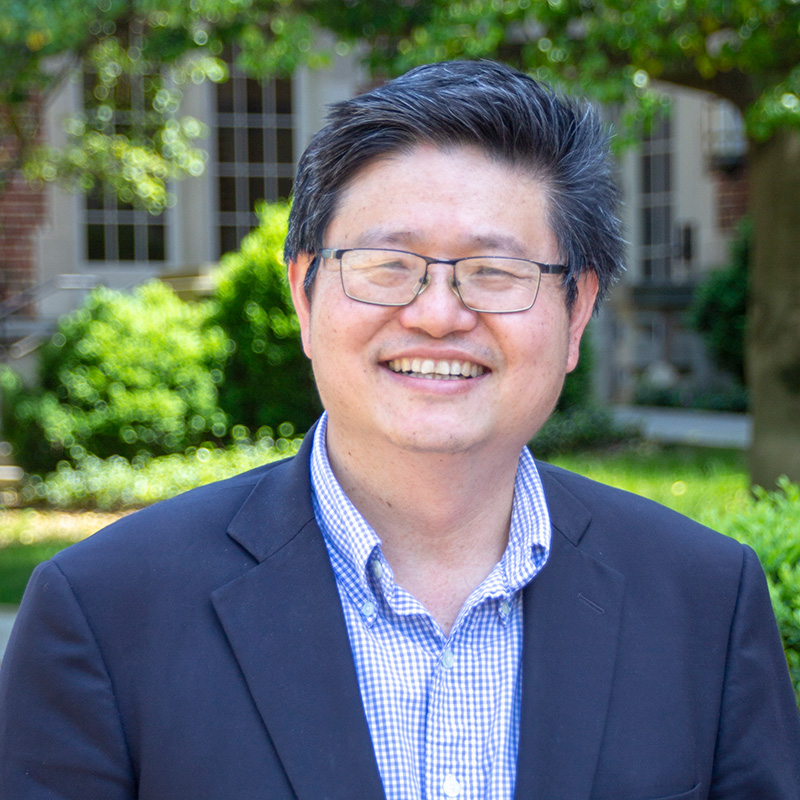
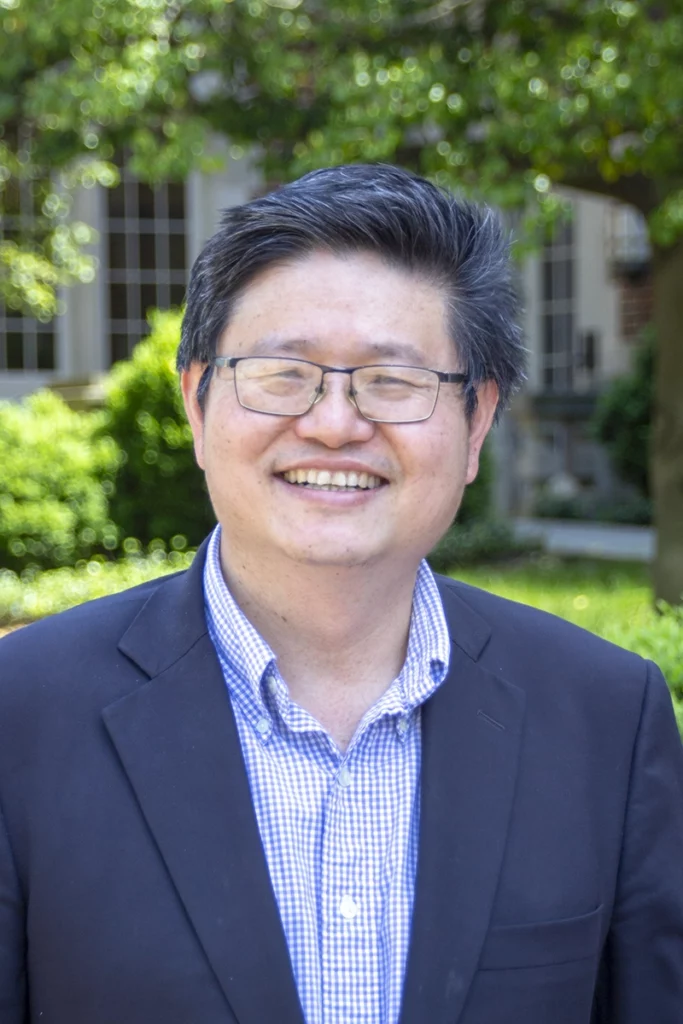
Sheng Dai, professor of chemistry, is one of six faculty members from the University of Tennessee, Knoxville to be named to Clarivate’s Highly Cited Researchers list for 2025, an honor bestowed on only one in 1,000 of the world’s scientists and social scientists. The designation recognizes researchers whose publications are among the top 1% by citations in their respective fields over the past decade.

“Being named among the world’s most highly cited researchers is a powerful testament to the global impact of our faculty and students’ work,” said Deb Crawford, UT’s vice chancellor for research, innovation, and economic development. “We are incredibly proud of these scholars, whose research continues to shape their disciplines and strengthen UT’s reputation as a leader in research that impacts the world.”

Dai, who holds a joint faculty appointment at Oak Ridge National Laboratory, has been named to the Highly Cited Researchers list for the 10th time. His work focuses on developing advanced materials for energy-related applications, particularly in areas like ionic liquids and molten salts, advanced separation processes, high-entropy materials, electrochemical processes and sustainable carbon transformations.

Dai is currently studying ionic liquids and porous materials to learn how they can be used for separating different substances, storing energy and speeding up chemical reactions. He is also developing ways to turn plant-based carbon into graphite, which can be used for storing energy.

Filed Under: Inorganic Chemistry, News Tagged With: Clarivite, Sheng Dai

Ziying (Nancy) Lei, Assistant Professor of Chemistry.

Scholar Spotlight: Ziying (Nancy) Lei

October 29, 2025 by Kaitlin Coyle

Filed Under: Featured, News

Hazari Celebrates 35th Anniversary of the Magic of Chemistry

October 22, 2025 by Jennifer Brown

Dr. Hazari wears a rainbow tie-dyed lab coat and orange safety glasses. He holds an open book with a flame emerging from the center as part of his Magic of Chemistry show.

This year’s National Chemistry Week marks the 35th anniversary of the interactive chemistry show The Magic of Chemistry. Created and performed by retired UT faculty member Al Hazari, the show has become a well-loved part of National Chemistry Week and so much more.

Primarily aimed at elementary and middle school students, National Chemistry week is an annual campaign sponsored by the American Chemical Society (ACS) to promote the value of chemistry in everyday life.

National Chemistry Week began as National Chemistry Day in 1987. It was later expanded into a week-long celebration, but by then Hazari was already commemorating the annual event with his chemistry show.

Hazari joined the University of Tennessee in 1991 as the Director of Undergraduate Chemistry Labs and immediately began performing The Magic of Chemistry. Designed to engage and entertain younger audiences, the show demonstrates some of the principals of chemistry and science with experimentation, puns, and the occasional well-controlled flame.

The carefully choreographed performance has the feel of a magician’s stage show, which has made it a popular feature at community events and festivals in Knoxville, Oak Ridge, Harriman, and beyond. At its heart, Hazari’s show has always been about making science approachable.

“Everyone should know about science, be comfortable with science, and never stop being curious and inquisitive,” said Hazari. “My work helps people understand scientific topics, which allows them to make more informed decisions. I connect science with everyday life so they say ‘Ah, this is science.’”

Hazari’s show has evolved over the years, moving from what he calls “traditional lab chemicals” to more common items found in pantries and hardware stores. His supply lists include things like vegetable oil, food coloring, and Alka Seltzer.

Hazari’s favorite experiment in the show involves dumping a cup of water over a volunteer’s head. When the volunteer doesn’t get wet, Hazari reveals that the cup also contains sodium polyacrylate, which absorbs the water before it can pour out. Sodium polyacrylate is a superabsorbent chemical most commonly found in diapers.

However, the real magic in Hazari’s show is his incredible passion for science education. Hazari devoted his academic career to improving how science is taught. During his time at UT, Hazari taught both chemistry and science education courses. In 2009 he published Misconceptions in Chemistry, a book aimed at helping educators identify and overcome pre-existing misconceptions students may have about science and the natural world.

In 2000 he received the Helen M. Free Award from the ACS. This award recognizes members of the ACS for outstanding community outreach activities and improving recognition and appreciation for chemistry.

“I have always enjoyed teaching and sharing something of myself and my knowledge,” said Hazari, adding that his goal has always been to improve science literacy.

In service to that goal, Hazari performs dozens of shows each year at festivals, in public libraries, and at assisted living facilities. When COVID paused many of these activities, Hazari pivoted to Zoom without missing a step and closed out that summer’s Forensic Chemistry Camp with a virtual version of The Magic of Chemistry.

This year’s National Chemistry Week’s theme, The Hidden Life of Spices, seems tailor-made to Hazari’s mission to connect chemistry to the everyday. The 35th anniversary show will took place Wednesday, October 22nd and was open to the public, with around 75 attendees of all ages. As Hazari says “Chemistry is for everywhere, everyday, and for everyone, ages 2 to 102!”

Dr. Hazari drops tabs of Alka Seltzer into a glass containing a deep pink liquid. The glass sits atop a box with a license plate reading ALKMST attached to the front. The box is lighting the glass from below, making the liquid glow.
Dr Hazari stands with a student volunteer. She holds a large Styrofoam cup while he stirs it. The cup is dripping liquid into a trash can beneath it. Dr. Hazari and the student are both smiling.

Filed Under: NCW, News, outreach Tagged With: National Chemistry Week

Clark Receives NSF Early Career Award

October 15, 2025 by Jennifer Brown

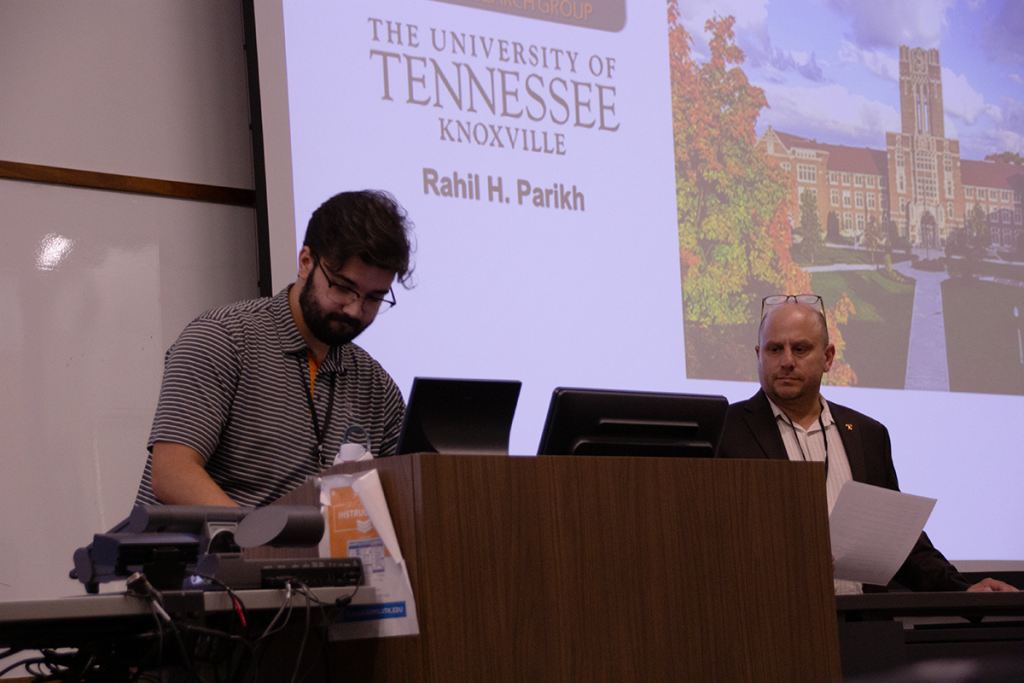
Joseph Clark, assistant professor of chemistry, has received a National Science Foundation CAREER award for his work developing molecules that facilitate pharmaceutical drug design and evaluation.

Clark will receive $650,000 for his research into the use of tritium, the radioactive isotope of hydrogen, for the selective labeling of small molecules and drug candidates. Selective tritiation of drugs plays a critical role in determining how animals (including humans) metabolize them. Typically, scientists incorporate carbon-14 into the molecular structure of new drugs for FDA-mandated metabolic and safety testing; this isotope of carbon allows researchers to track the pathway and the behavior of drug molecules in the body without harming human subjects.

However, the worldwide supply of C-14 is produced primarily at one facility in Russia, and Russia’s ongoing war with Ukraine has caused a worldwide shortage. The shortage poses a potential threat to all small-molecule drugs awaiting approval from regulatory authorities in the U.S. and Europe. Clark and his team will research the use of tritium as a mainstream alternative radiolabeling strategy, thereby reducing the reliance on C-14 for most clinical metabolism studies in humans.
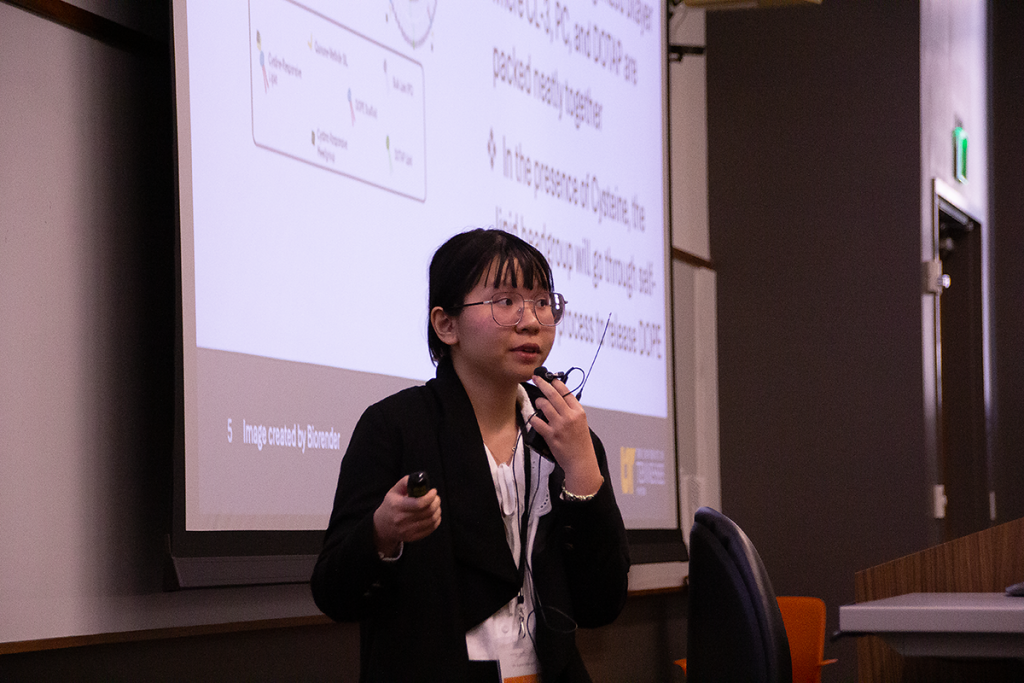
“Tritium is more difficult to use because it sits on the periphery of a molecule, which makes it less stable, or more prone to metabolic oxidation,” Clark said. “My team will research how to add specific amounts of tritium at sites less prone to oxidation and how to measure the purity and structure of these molecules. The United States produces tritium for research and government use, and there are several international suppliers in North America and Europe; if we can make it the new gold standard for drug tracing, we can solve the C-14 crisis and develop new medications more quickly and less expensively.”

NSF created CAREER to recognize and support early-career faculty who can serve as role models in their institutions while advancing research that benefits their state and the nation. In addition to Clark, researchers Doowon Kim, assistant professor of computer science, and Joon Sue Lee, assistant professor of physics and astronomy, also received NSF CAREER awards for their work in designing phishing detectors and developing new materials for quantum technology, respectively.

“We are incredibly proud of this year’s recipients,” said Deb Crawford, vice chancellor for research, innovation, and economic development. “Their efforts will lead to groundbreaking discoveries and inspire students at all levels to experience the excitement and fulfillment of scientific exploration. Their work has significant state and national impact.”

Clark began his career at Marquette University, and joined the chemistry faculty at the University of Tennessee, Knoxville in 2024. His research focuses on the development of selective transition metal-catalyzed reactions. Read more about Clark’s research here.
Filed Under: News, Organic Chemistry

Chemistry Building Name Announced

September 30, 2025 by Jennifer Brown

The University of Tennessee, Knoxville is pleased to announce that the Board of Trustees has officially conferred the name “Charles and Julie Wharton Chemistry Building” on its newest academic facility. 
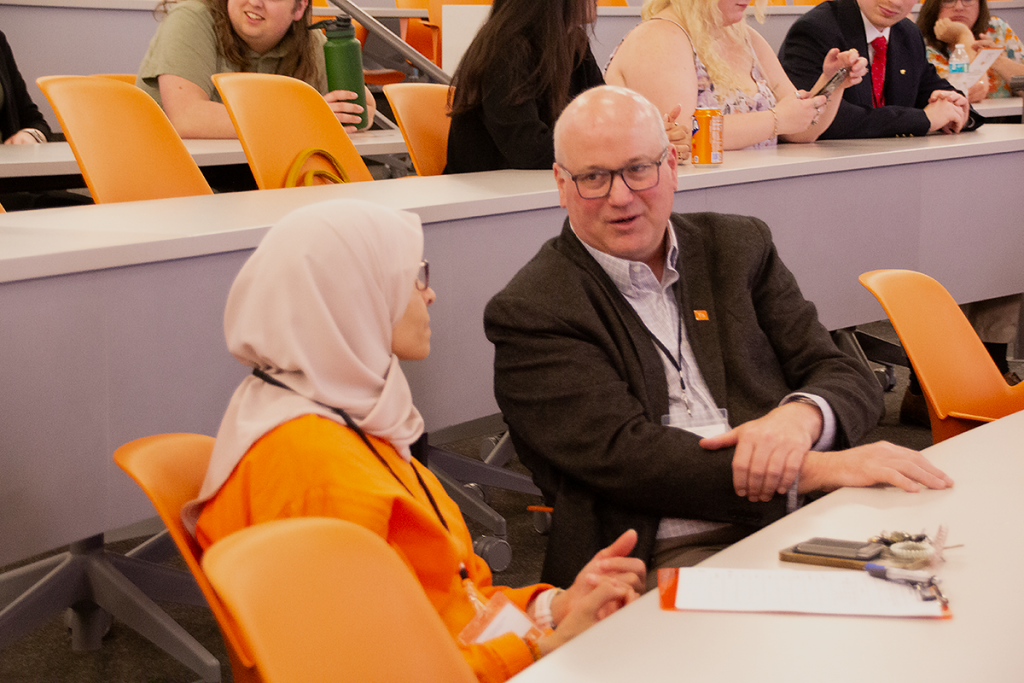
This naming honors the remarkable legacy of the late Julie Wharton and her husband Charles Wharton, whose generosity and vision will have a lasting impact on teaching and learning in chemistry. The newly named facility will provide modern spaces for teaching, research, and collaboration, allowing students and faculty to continue to push boundaries now and into the future.

Executive Dean Robert Hinde’s leadership was pivotal in realizing this milestone, guiding the process from conception to official recognition.

Members of the UT community are encouraged to celebrate this exciting moment, share the news within their networks, and explore opportunities to support the future of chemistry at UT. Those interested in contributing or learning more about this transformative project are invited to connect with university representatives.
 

Learn more about the vision for this facility.

Watch Dean Hinde’s September 5 interview from the groundbreaking event.

Filed Under: News, Uncategorized

Headshot of Konstantinos Vogiatzis

Chemistry Faculty Presents Machine Learning in Switzerland

September 25, 2025 by Kaitlin Coyle

Filed Under: Featured, News

A graphic from Dadmun's ChemSusChem publication depicting general PET depolymerization.

Dadmun Group Explores the Future of Plastic Recycling with Polymer Chemistry

August 5, 2025 by Jennifer Brown

Professor Mark Dadmun and his research group recently published papers in both ChemSusChem and Nature Communications. These papers describe the group’s ongoing efforts to tackle more efficient plastic recycling through polymer chemistry.

Plastics, which are made of polymers, have been increasingly woven into modern life since the 1950’s. Single-use plastics originally gained popularity with consumers through a combination of convenience and affordability. However, the durability of plastics, a key feature that contributed to their success, has led to concerns over their persistence in the waste stream.  

Since the 1980’s, plastic recycling has been explored as a possible solution. Unfortunately, early recycling methods were ineffective with plastics, and modern recycling rates remain low at only around 9% globally.

Plastic recycling has been a long-term area of research for Dadmun, whose lab broadly focuses on investigating how the specific molecular structures of a polymer impact its properties. Understanding how to control these structures is critical to effectively recycling polymer materials, but when Dadmun sought to apply his earlier work to recycling, he was met with roadblocks.

“In the early 2000’s, the general sentiment was that we were never going to recycle polymers,” said Dadmun. “It’s only been in the last 10 years that perspectives have changed and the idea that we can and will develop new materials or new processes for plastics recycling has been supported.”

Dadmun’s group has used this shift to apply their research to the problems of modern chemical recycling. Chemical recycling directly manipulates the molecular structure of plastic polymers, breaking them down into their component parts and allowing them to be used to create new materials.

“Polymers are long-chain molecules, hundreds to thousands of individual units bonded together, and it’s that really big structure that gives them many of their properties,” said Dadmun. “Unzipping that long chain of molecules is straightforward but expensive, and this is the problem polymer scientists have been trying to solve.”

One approach is to break down all the individual units of the polymer and try to link them back together. However, this method can be inefficient as it requires the breaking and reforming of thousands of chemical bonds. Dadmun’s recent work investigates the possibility of breaking polymers down into larger groupings of units to be repolymerized, a process that should be more time and energy efficient.

The first of Dadmun’s recent publications focuses on understanding how a polymer breaks down into individual units. Shelby Watson-Sanders, a recent PhD graduate and member of Dadmun’s research group, co-authored the publication that describes this work.

“My interest in plastic waste initially sparked from a paper that addressed the release of estrogen chemicals from plastic when heated in the microwave. This revelation made me aware that plastic is ubiquitous and could pose health risks,” said Watson-Sanders. “In this work, we observed that our consumer waste plastic flakes broke apart into a powder and remained undissolved in solution until later in the reaction.”

Watson-Sanders went on to discover that some parts of the plastic broke down more easily, while others remained intact. These results suggested a possible explanation for the creation of micro and nanoplastics and led to the development of the second paper, published in Nature Communications. Watson-Sanders noted that the results of this work and the subsequent second publication prompted her to evolve her dissertation into an exploration of recycling plastic waste and the potential consequences of neglecting consumer waste.

In addition to Watson-Sanders, the team working on this research included undergraduate student Kendra Day. At this year’s Department of Chemistry Undergraduate Research Symposium, Day described this research in her award-winning presentation. She graduated this spring and will begin graduate studies at Cornell University in the fall. In the future, Dadmun and his team hope this ongoing work will contribute to more effective methods for polymer recycling. This could, in turn, contribute to increased plastic recycling and decreased plastic waste in the environment, as well as the development of new materials.

Filed Under: Dadmun, News, Polymer Chemistry Tagged With: PET, recycling

  • 1
  • 2
  • 3
  • …
  • 36
  • Next Page »

Recent Posts

  • Wallace Receives Mary Lynn Glustoff Award
  • Clark-Led Partnership Aims to Deliver Safer, Better Tolerated Drugs
  • Student Spotlight: Sargent-Glover Uses Near-Field Spectroscopy to Investigate Domain Walls
  • Sheng Dai Among World’s Most Highly Cited Researchers for 10 Years
  • Scholar Spotlight: Ziying (Nancy) Lei

Recent Comments

No comments to show.

College of Arts & Sciences

117 Natalie L. Haslam Music Center
1741 Volunteer Blvd.
Knoxville TN 37996-2600

Phone: 865-974-3241

Archives

  • March 2026
  • February 2026
  • December 2025
  • October 2025
  • September 2025
  • August 2025
  • July 2025
  • May 2025
  • April 2025
  • March 2025
  • December 2024
  • November 2024
  • October 2024
  • September 2024
  • August 2024
  • July 2024
  • June 2024
  • May 2024
  • April 2024
  • March 2024
  • February 2024
  • December 2023
  • November 2023
  • September 2023
  • July 2023
  • June 2023
  • May 2023
  • April 2023
  • March 2023
  • January 2023
  • December 2022
  • November 2022
  • July 2022
  • June 2022
  • May 2022
  • April 2022
  • March 2022
  • February 2022
  • January 2022
  • December 2021
  • November 2021
  • October 2021
  • July 2021
  • June 2021
  • May 2021
  • April 2021
  • March 2021
  • February 2021
  • January 2021
  • December 2020
  • November 2020
  • October 2020
  • September 2020
  • August 2020
  • July 2020
  • June 2020
  • May 2020
  • April 2020
  • March 2020
  • February 2020
  • January 2020
  • November 2019
  • October 2019
  • September 2019
  • August 2019
  • July 2019
  • May 2019
  • April 2019
  • March 2019
  • February 2019
  • September 2018
  • July 2018
  • June 2018
  • December 2017
  • October 2017
  • September 2017
  • August 2017
  • July 2017
  • June 2017
  • May 2017
  • April 2017
  • March 2017
  • January 2017
  • December 2016
  • November 2016
  • October 2016
  • September 2016
  • August 2016
  • June 2016
  • May 2016
  • April 2016
  • February 2016
  • January 2016
  • December 2015
  • November 2015
  • October 2015
  • August 2015
  • July 2015
  • June 2015
  • May 2015
  • April 2015
  • March 2015
  • February 2015
  • November 2014
  • October 2014
  • September 2014
  • August 2014
  • July 2014
  • June 2014
  • May 2014
  • April 2014
  • March 2014
  • February 2014
  • January 2014
  • December 2013
  • November 2013
  • October 2013
  • September 2013
  • August 2013
  • July 2013
  • June 2013
  • May 2013
  • April 2013
  • March 2013
  • February 2013
  • January 2013
  • September 2012
  • August 2012
  • July 2012
  • June 2012
  • May 2012
  • April 2012
  • February 2012
  • January 2012
  • December 2011
  • October 2011
  • August 2011
  • July 2011
  • June 2011
  • May 2011
  • April 2011
  • March 2011
  • January 2011
  • November 2010
  • October 2010
  • September 2010
  • August 2010
  • July 2010
  • June 2010

Categories

  • ACGS
  • alumni
  • Analytical Chemistry
  • Artsci
  • award
  • Bailey
  • Best
  • BOV
  • Brantley
  • Calhoun
  • Campagna
  • Dadmun
  • Dai
  • Darko
  • Do
  • endowment
  • Faculty
  • faculty
  • Featured
  • fellowship
  • Graduate Student Spotlight
  • Graduate Students
  • Hazari
  • Heberle
  • Inorganic Chemistry
  • Jenkins
  • Kilbey
  • Larese
  • Long
  • Musfeldt
  • NCW
  • Nemykin
  • News
  • newsletter
  • Organic Chemistry
  • outreach
  • Physical Chemistry
  • Polymer Chemistry
  • Sharma
  • Sokolov
  • Uncategorized
  • undergraduate
  • Undergraduate Student Spotlight
  • Vogiatzis
  • Xue
  • Zhao

Copyright © 2026 · University of Tennessee, Knoxville WDS Genesis Child on Genesis Framework · WordPress · Log in

Chemistry

College of Arts & Sciences

552 Buehler Hall
1420 Circle Dr.
Knoxville, TN 37996-1600

Email: chemistry@utk.edu

Phone: 865-974-3141

Facebook Icon  X Icon  Instagram Icon  YouTube Icon LinkedIn Icon

The University of Tennessee, Knoxville
Knoxville, Tennessee 37996
865-974-1000

The flagship campus of the University of Tennessee System and partner in the Tennessee Transfer Pathway.

ADA Privacy Safety Title IX