• Request Info
  • Visit
  • Apply
  • Give
  • Request Info
  • Visit
  • Apply
  • Give

Search

A-Z Index Map

Chemistry

  • About
    • Student Organizations
    • Connect With Us
    • Careers With Us
    • Employee/Student Travel Request
  • Undergraduate Students
    • Majors and Minors
    • First Year Students
    • Undergraduate Research
    • Summer Programs
    • Chemistry Lab Excused Absence
    • Apply
  • Graduate Students
    • Prospective Students
    • Admitted Students
    • Current Students
    • Research Open House
    • Chemistry Graduate Student Handbook
  • Faculty
  • People
  • Research
    • Research Areas
    • Facilities
    • SMLQC 2025
  • News
  • New Chemistry Building
Home » Page 2

Archives

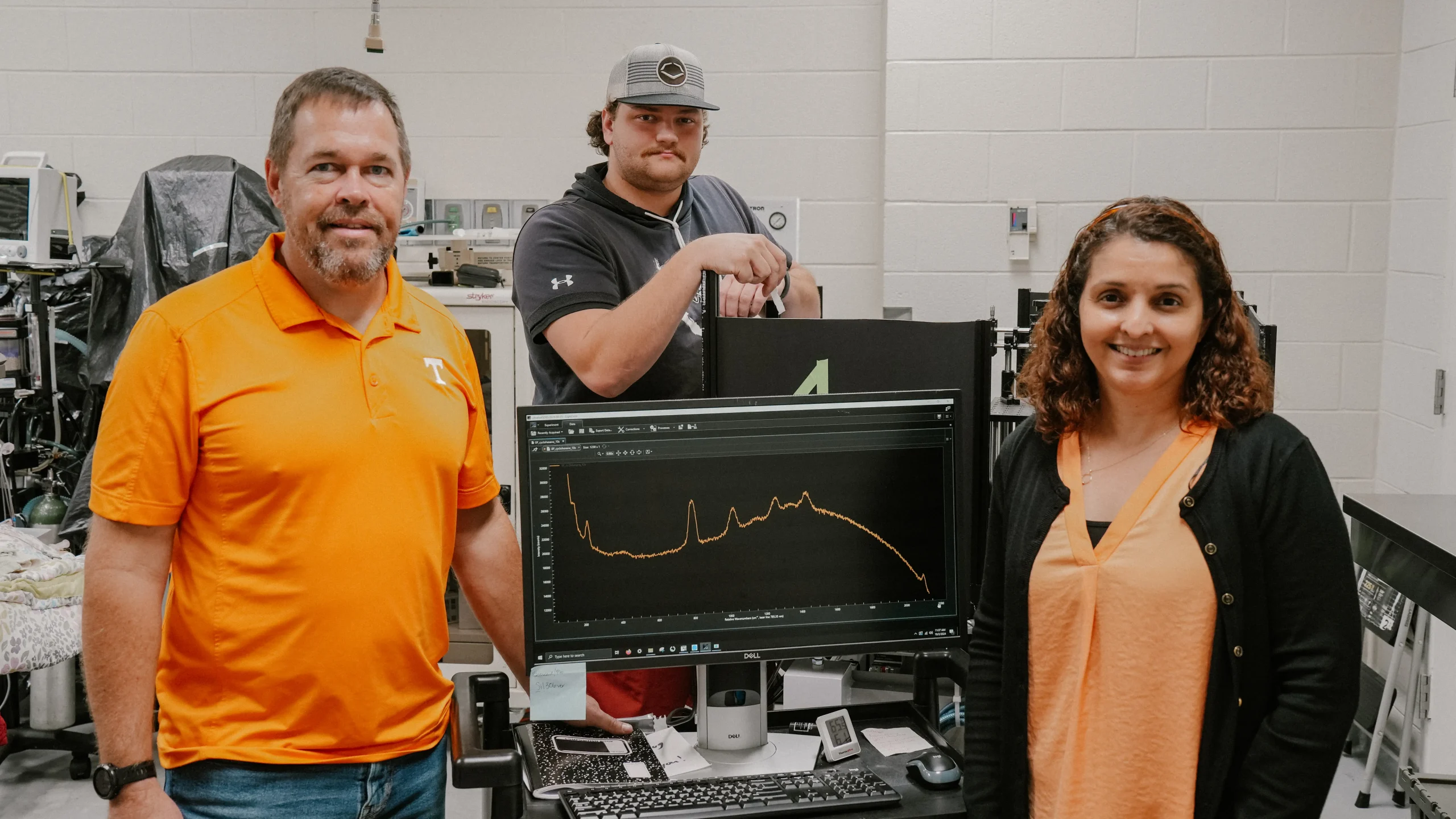
A student works in the Baccile lab.

Baccile Awarded $1.8 Million Grant for Pioneering Research on Five-Carbon Metabolism

April 4, 2025 by Jennifer Brown

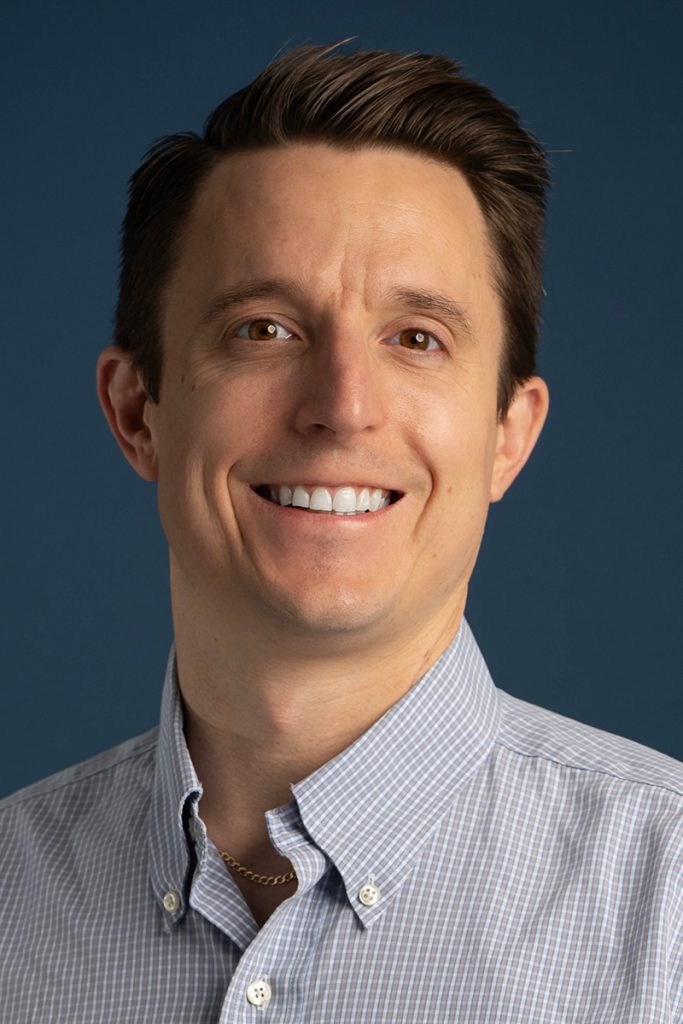
Headshot Joshua Baccile

Assistant Professor Joshua Baccile has been awarded a Maximizing Investigators’ Research (MIRA) award from the NIH. The MIRA grant, unlike many other grants, is awarded to support a researcher’s collective vision for their lab. Baccile’s lab is focused on investigating the role of five-carbon metabolism in the human body, which could impact long-term health.

“Our cells make cholesterol through a metabolic pathway called the isoprenoid pathway and many of the most largely prescribed drugs target this pathway. Statins are the most common example of these,” said Baccile.

Statins, commonly prescribed for high cholesterol, generally work by reducing the number of five-carbon precursors in the isoprenoid pathway. However, the underlying function of these five-carbon precursors is not well understood.

Baccile’s research examines what else these molecules do in the body beyond contributing to high levels of cholesterol. His team has made derivatives of two precursor molecules that can be introduced into cells. This allows his team to test for a variety of effects.

“We want to figure out what other molecules they make. We want to be able to control where they go, how many of them go there, and we want to be able to track them,” said Baccile. “Our goal is to expand the scope of what’s known about the isoprenoid pathway.”

Baccile’s lab was the first to develop functional derivatives of these 5-carbon precursors that can be used in experimentation. This work has the potential to discover the underlying purpose of a poorly understood metabolic pathway in the human body, which could impact several areas of human health.

Because of its foundational nature, Baccile’s research has generated international interest and opportunities for collaboration with other teams investigating the complexities of the human body.

“When we do science, we’re trying to discover unknowns which, in our case, are about human cellular physiology,” said Baccile. “This research is important because it will help us understand a really important pathway in basic human biology. These molecules are implicated in cardiac diseases, neurodegenerative diseases, and cancer. If we know more about them and how they work, we can create better treatments and therapies that target some of the most common issues in human health today.”

Baccile also plans to leverage his MIRA grant to continue, and potentially expand, his existing community college research fellowship program. This program provides summer research opportunities for area community college students interested in transferring into a four-year program.

“A critical function of academic research labs is the training of students and future scientists who will continue to ask these questions and make new discoveries,” said Baccile. He describes his graduate students as instrumental to the early research and publications that build into grants like the MIRA.

The NIH MIRA grant will provide $1.8 million to the Baccile lab over the course of five years.
Filed Under: News, Organic Chemistry Tagged With: Baccile

UT Chemistry Lab Explores Dipeptides for Carbon Dioxide Capture

March 11, 2025 by Jennifer Brown

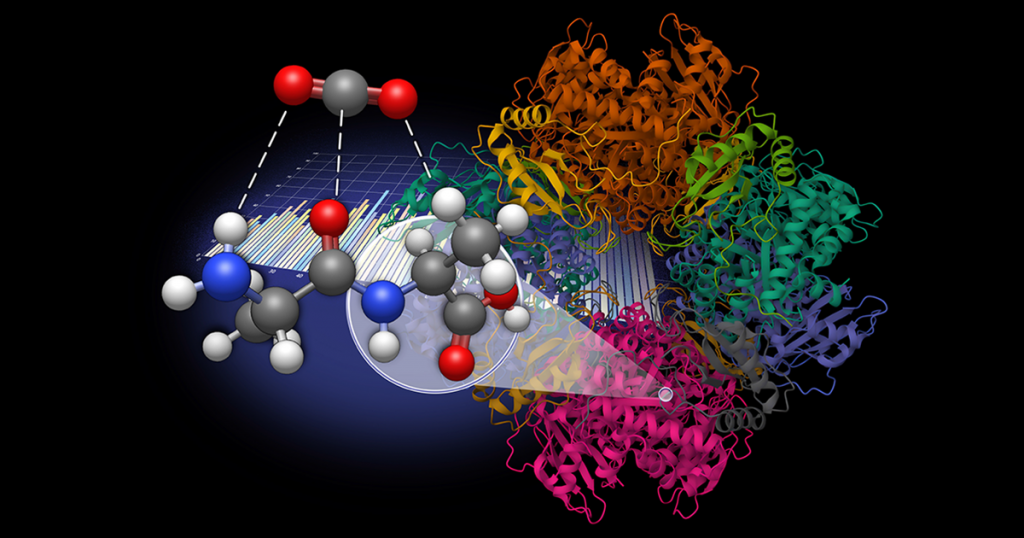
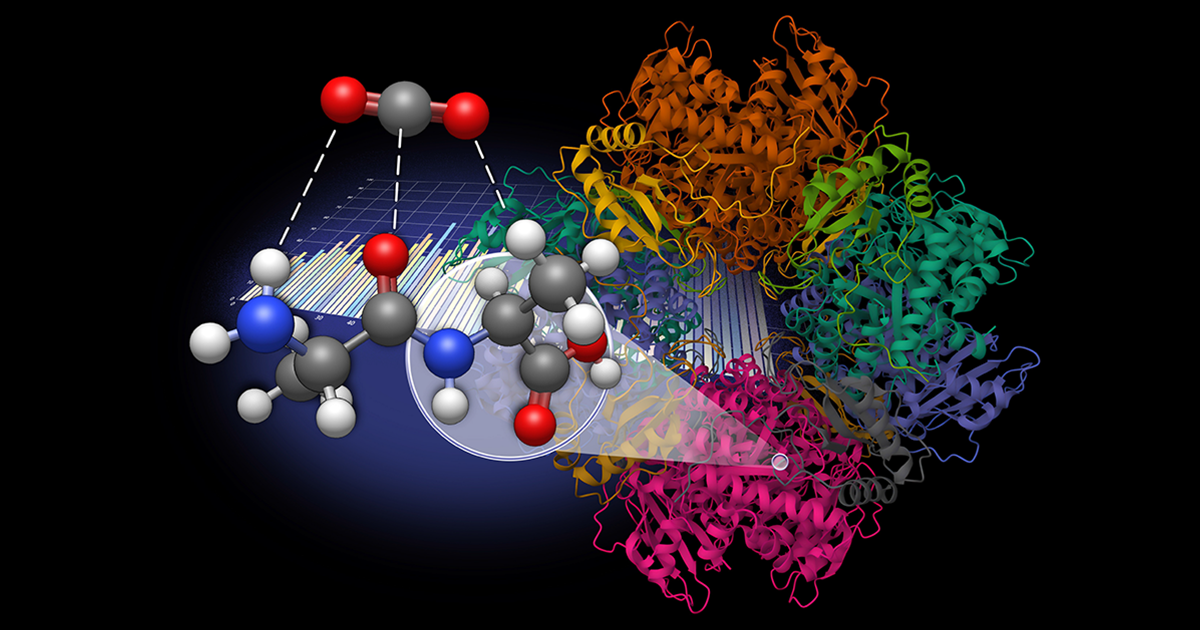
Vogiatzis’ publication was featured on the cover of the journal ChemPhysChem.

Associate Professor Konstantinos Vogiatzis’ lab in the Department of Chemistry is leveraging computational chemistry to address excess carbon dioxide (CO2) in the atmosphere.

The presence of excess CO2 in the atmosphere is believed to have a number of far-reaching impacts on the environment. Over the last 60 years the amount of CO2 in the atmosphere has more than tripled. Today, carbon dioxide levels are estimated to be higher than ever before in human history. The presence of such high levels of CO2 in the atmosphere is believed to have a number of far-reaching impacts on the environment.

One common method of managing excess CO2 is carbon capture and storage (CCS). CCS usually employs amine-based solvents to trap CO2 and prevent it from moving into the atmosphere. However, this method has some limitations. The solvents used in this process are expensive, volatile, and can produce harmful byproducts that may increase cancer risks in humans.

Seeking a more sustainable solution, Vogiatzis, graduate student Amarachi Sylvanus, and post-doctoral researcher Grier Jones explored dipeptides as a natural, bioinspired alternative for CO2 sequestration. This work was done in collaboration with Radu Custelcean, distinguished research scientist at Oak Ridge National Laboratory. 

The research team generated a database of 960 dipeptide molecules derived from 20 natural amino acids and developed an automated workflow to model molecular interactions with CO2.

By leveraging density functional theory (DFT) and symmetry-adapted perturbation theory (SAPT), they systematically evaluated interactions between the dipeptides and CO2. Their analysis identified key amino acid subunits that enhance CO2 binding through cooperative effects.

“Our results confirm that cooperative interactions between CO2-philic groups in dipeptides significantly enhance CO2 capture compared to individual amino acids,” said Vogiatzis. “This discovery provides valuable design principles for optimizing CO2 capture efficiency.”

The study revealed that dipeptides exhibit greater interaction energy diversity than their individual amino acid components, highlighting the critical role of cooperative effects. Statistical analysis showed that asparagine subunits frequently strengthen CO2 binding, while glycine subunits tend to weaken it.

Beyond fundamental insights, this research lays the groundwork for industrial applications, particularly in direct air capture (DAC) technologies. DAC is a promising technology that pulls CO2 from air at both concentrated and dispersed locations. By understanding how dipeptides interact with CO2, researchers can guide the development of next-generation carbon capture materials.

“We believe our findings will contribute to the future design of bioengineered materials for large-scale CO2 capture. Nature provides incredible solutions, and by mimicking its mechanisms, we can develop transformative technologies to combat climate change,” said Vogiatzis.

This pioneering study exemplifies the power of computational chemistry and bioinspired design in addressing global environmental challenges.

The results of this study were published in the journal ChemPhysChem  and highlighted in ChemistryViews.

Filed Under: News, Physical Chemistry, Vogiatzis

Chemical Bonds – Fall 2024

December 4, 2024 by Logan Judy

  • Research Seeking Noninvasive Study of Brain
  • Baccile Prepares Students for Research
  • Leveraging Pressure for Future Energy Storage
  • Graduate Student Brings STEM Education to Knoxville Youth
  • Christopher Studies Human Health at the Molecular Level
  • Graduate Student Earns Prestigious ACS Fellowship
  • Hatab Honored with Lorayne Lester Award
  • Welcome New Faculty Members
  • Remembering George K. Schweitzer
  • New Graduate Student Fellowship Awarded
  • The Mamantov Legacy
  • Selected Faculty Updates 2024

PDF

Filed Under: newsletter

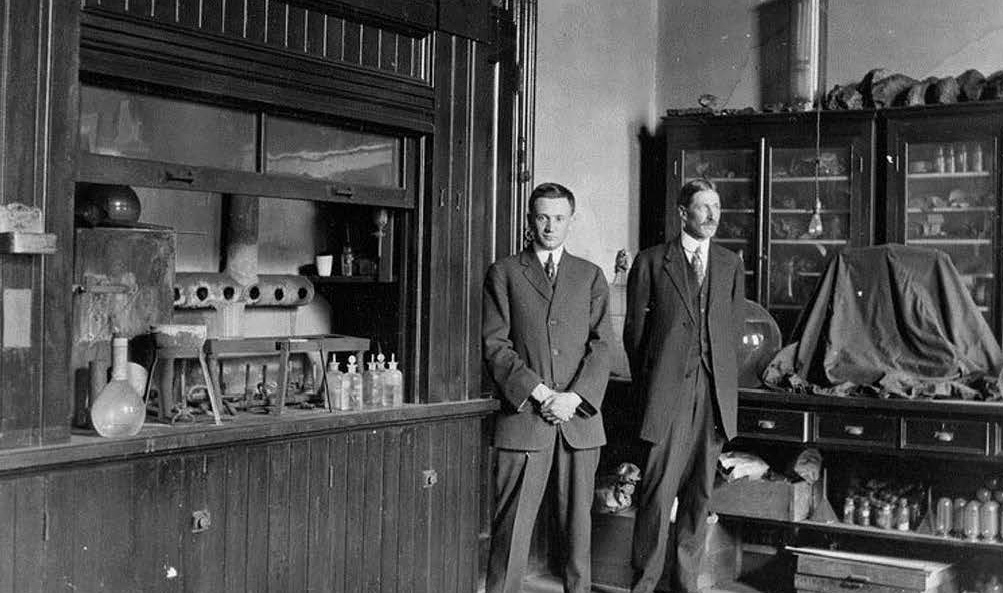
E.S. Freed and Charles O. Hill are pictured in a laboratory in Science Hall. The photo is in black and white and was taken between 1913 and 1915.

UT Alum Left Lasting Impact on Chemical Extraction

November 21, 2024 by Jennifer Brown

E.S. Freed and Charles O. Hill are pictured in a laboratory in Science Hall. The photo is in black and white and was taken between 1913 and 1915.

Chemistry is frequently called the central science. Because it uncovers knowledge critical to the understanding of matter, it is important to a number of disciplines. Discoveries and innovation in chemistry can have far-reaching implications that last for decades. The great-grandson of alumnus Edgar Stanley Freed came face to face with this phenomenon when he began researching his family’s history.

E. Stanley Freed came to the University of Tennessee, Knoxville, in 1909. He joined the Department of Chemistry, earning a bachelor’s degree in chemical engineering in 1913. Freed then served two years as an assistant professor at UT, until beginning graduate studies at the Massachusetts Institute of Technology (MIT).

Freed received one of only four PhD degrees MIT awarded in 1918. In 1920, he began working in the New York laboratory of the Chile Exploration Company, and in 1922 he relocated to Chile.

Building a Legacy

By the time Freed arrived in Chile, the nitrate industry had been suffering for a number of years, due to the development of synthetic nitrate. The Chile Exploration Company sent Freed to an experimental plant for nitrate extraction working with caliche, a type of soil containing a variety of mineral deposits including nitrate salts. He was tasked with modernizing the industry by developing better, more efficient processes.

Upon his arrival, Freed realized little research had been done on the caliche itself and its chemical properties. He quickly began developing a body of knowledge that could be used to inform extraction methods. Over the course of his career, Freed and a number of additional researchers made advancements in mineral extraction from caliche.

By the mid-1940s, Freed had begun to pursue not only nitrates, but possibly useful byproducts. He would eventually be credited with developing the solar evaporation pond, a method that uses the natural process of evaporation in a series of open-air ponds to extract a variety of products.

Freed’s evaporation ponds became an industry staple and are still used today. This method has been used to efficiently recover nitrates, iodine, potassium, and even lithium. It is still considered a key element of production in industry, and contributes to a range of fields including pharmaceuticals, construction, and agriculture. Lithium alone has been used to power personal electronics, medical devices such as pacemakers, and electric vehicles. Freed’s development helped prop up a declining industry and simplified access to materials that have been used to create a number of elements of modern life.  

Preserving History

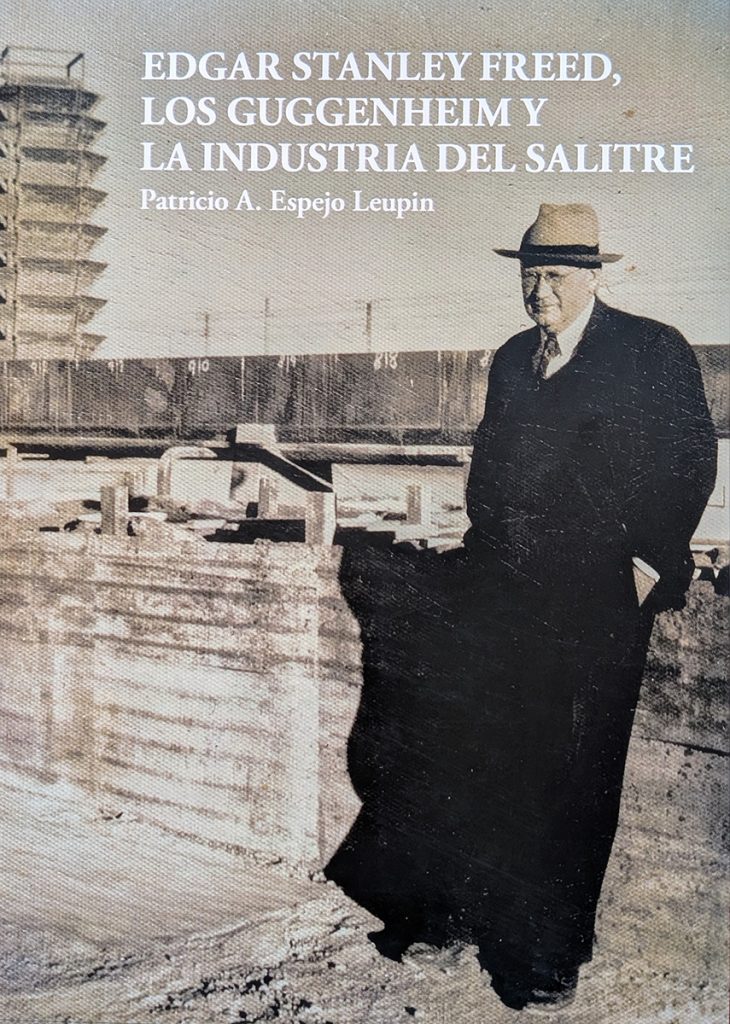
Book cover: Edgar Stanley Freed, Los Guggenheim y La Industria Del Salitre

Sebastian Freed-Huici began investigating his great-grandfather’s history in earnest at the age of 14. Freed-Huici had been taught that the nitrate industry in Chile collapsed due to a combination of the Great Depression and the creation of synthetic nitrate. However, he knew that Freed had been working in the industry up until his death in 1950. Unable to reconcile these differing timelines, Freed-Huici began digging into his family’s records, uncovering more of Freed’s story.

“My grandmother kept a folder about my great-grandfather with some newspaper clippings and other information about him,” said Freed-Huici. “She also had his diplomas from the University of Tennessee and MIT. After that, I looked for information about him online and then started calling historians.”

Freed-Huici eventually connected with a historian at the Archivo Nacional de Chile who had recently uncovered boxes of documents about and belonging to the late E. Stanley Freed. It was in communicating with the historian, Pablo Muñoz, that Freed-Huici learned of his great-grandfather’s achievements.

Galvanized by this discovery, Freed-Huici set out to share Freed’s story and, in the last few years, all that effort has begun to see results. In 2021, a book detailing Freed’s life and work was published. Edgar Stanley Freed, Los Guggenheim y la Industria del Salitre was written by Patricio A. Espejo Leupin and included images and documents provided by Freed-Huici. A second book, written by industry professional Beatriz Oelckers and titled El Hombre Que Más Sabía del Caliche en el Mundo, was published in August 2024.

Freed-Huici, now a PhD student in economics at the University of Chicago, said he was inspired by his great-grandfather and wanted to share his story.

“I realized that this is not a story of the past. It’s a story of the present, because all these systems are used today,” said Freed-Huici. “His legacy is alive, and I want people to know about it. For the 28 years he was in Chile, he never stopped working on this problem. He never stopped researching and experimenting and looking for answers, and I find that very inspiring.”

Filed Under: News Tagged With: alumni

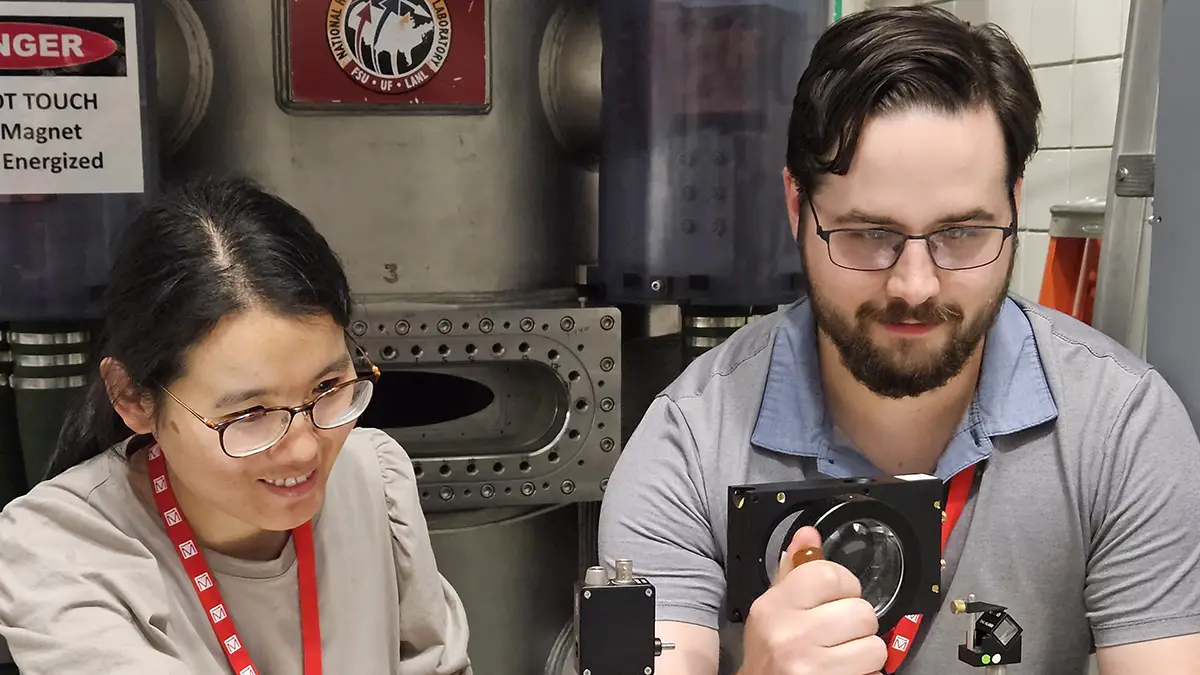
UT researchers Yanhong Gu and Kevin Smith work at the National High Magnetic Field Laboratory.

UT Team Finds Unexpected Behavior in Magnetized Material

November 18, 2024 by Logan Judy

Filed Under: Featured, Musfeldt, News

Selected Faculty Updates and Publications for 2024

November 4, 2024 by Jennifer Brown

Michael Best, professor and associate head of undergraduate education, recently published “Nuclear phosphoinositide signaling promotes YAP/TAZ-TEAD transcriptional activity in breast cancer” in The EMBO Journal. Best and then-postdoctoral researcher Jinchao Lou worked with a team including researchers from the Eppley Institute for Research in Cancer and Allied Diseases and the Fred and Pamela Buffett Cancer Center. Both institutions are part of the University of Nebraska Medical Center.

Assistant Professor Joshua Baccile’s publication “Biological Demands and Toxicity of Isoprenoid Precursors in Bacillus Subtilis Through Cell-Permeant Analogs of Isopentenyl Pyrophosphate and Dimethylallyl Pyrophosphate” was featured on the cover of ChemBioChem. Graduate students Zack Hulsey and Dillon McBee, and undergraduate student Makayla Hedges were co-authors of this publication.

Professor Shawn Campagna’s research group has had a busy year. Seven members have delivered 11 talks or poster presentations at conferences and events, including both the spring and fall meetings of the American Chemical Society, the 3rd Annual Biomembranes Symposium, and the American Society for Mass Spectrometry national meeting.

Assistant Professor Yingwen Cheng was recently awarded a grant by the Department of Energy for a project entitled High Energy and Cycling Stable All-Weather Aqueous Zn Batteries. Cheng plans to develop alkaline-manganese dioxide batteries using minerals with robust supply chains as an alternative to lithium-ion batteries. He has also been named a StART awardee, a program managed by the UT-Oak Ridge Innovation Institute to support collaborations between UT and ORNL researchers.

Associate Professor Ampofo Darko’s group recently published “Chromogenic Detection of the Organophosphorus Nerve Agent Simulant DCP Mediated by Rhodium(II,II) Paddlewheel Complexes” in ACS Sensors. Graduate students Eric Fussell, Ernest Bennin, and Sarah Hirschbeck were co-authors on the publication. At the department’s 2024 Honor’s Day, Darko group member Bukola Ogunyemi was given an Outstanding PhD Candidate Award.

Assistant Professor Thanh Do’s group published “The Rise and Fall of Adenine Clusters in the Gas Phase: A Glimpse into Crystal Growth and Nucleation” in Analytical and Bioanalytical Chemistry. The article was featured on the publication’s cover and included graduate students Damilola Oluwatoba and Happy Safoah as co-authors.

Assistant Professor Fred Heberle recently published “Neutron spin echo shows pHLIP is capable of retarding membrane thickness fluctuations” in Biomchimica et Biophysica Acta (BBA) Biomembranes. The team on this project included researchers from the UT departments of chemistry, physics and astronomy, and biochemical, cellular, and molecular biology. This multidisciplinary group also included ORNL researchers working in the Labs and Soft Matter Group of the Neutron Scattering Division, the Computational Science and Engineering Division, and the Center for Nanophase Materials Sciences.

The research group of Professor David Jenkins has had an exciting year. Three graduate students successfully defended their dissertations in one semester. Two students published first-author papers, and several group members presented at conferences, including the National Meeting of the American Chemical Society and the 51st Annual National Organization for the Professional Advancement of Black Chemists and Chemical Engineers Meeting. Jenkins’ previous publication in ACS Applied Materials and Interfaces was featured in Advances in Engineering.

In just one semester at UT, Assistant Professor Ziying (Nancy) Lei has hit the ground running. Lei has been collecting samples and training graduate students on measuring urban air quality across UT campus, and was recently granted a research permit ahead of a developing collaboration with the National Park Service Research Team at the Great Smoky Mountains National Park. She will also be teaching a new Environmental Chemistry class in spring 2025.

Professor Janice Musfeldt’s work “Structural phase purification of bulk Hfo2:Y through pressure cycling” was published in The Proceedings of the National Academy of Sciences, one of the world’s most cited and comprehensive multidisciplinary journals. She also began a new lecture series featuring women researchers, the first of which was held on the 2024 UN International Day of Women and Girls in Science and featured Karin Rabe, Board of Governors Professor of Physics at Rutgers University.

Associate Professor Sharani Roy published “Semiempirical molecular-orbital calculations of dissociation energies of small molecules containing light elements” in Molecular Physics. At this year’s Honor’s Day event, graduate student Dakota Landrie, a member of Roy’s group, was awarded the inaugural Dr. Robert A. and Phyllis F.J. Yokley Endowed Fellowship.

Konstantinos Vogiatzis, associate professor of theoretical and computational chemistry, received the Pariser Faculty Poster Award at the American Conference on Theoretical Chemistry. The award was in recognition of his poster presentation “Exploration of the Two-Electron Correlation Space with Data-Driven Quantum Chemistry.”

Professor Bin Zhao recently published “Effect of Grafting Density on the Crystallization Behavior of Molecular Bottlebrushes” in Macromolecules. This paper continues Zhao’s work with bottlebrush polymers and was co-authored by former graduate students Ethan Kent and Michael Kelly.

Filed Under: Uncategorized

Group photo of researchers in a laboratory

Research Seeks Noninvasive Study of Brain Chemicals

October 25, 2024 by Logan Judy

Filed Under: Featured, News

Remembering George K. Schweitzer

September 25, 2024 by Jennifer Brown

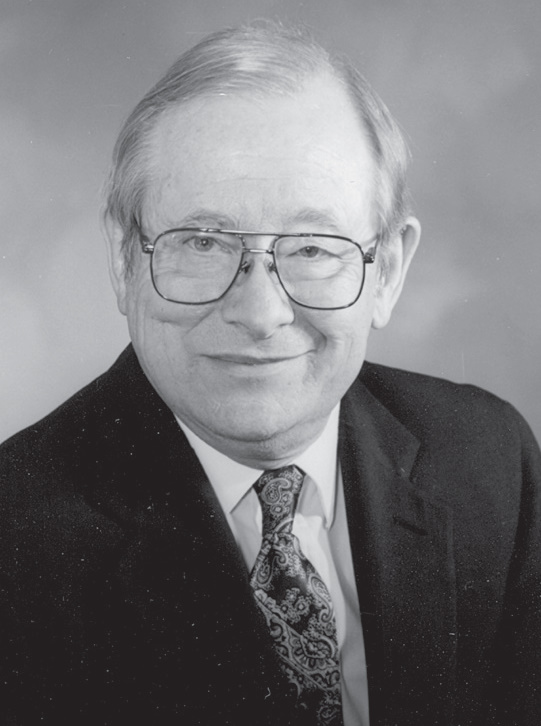
Black and white headshot photo

It is with great sadness that the Department of Chemistry announces the passing of Professor George K. Schweitzer. The longest serving faculty member in the history of the University of Tennessee, Schweitzer will be remembered for his pioneering work in inorganic chemistry and radiochemistry, and by the thousands of students he mentored and taught.

Born in Poplar Bluff, Missouri, Schweitzer earned a BA in chemistry from Central College in 1945. He went on to graduate studies at the University of Illinois, where he was granted a PhD in 1948. Schweitzer moved to Tennessee to join the chemistry faculty in 1948 and in 2023 celebrated his 75th year of teaching at UT.

During World War II, Schweitzer investigated an element similar to uranium and his dissertation work has been described as an extension of the Manhattan Project. He said he came to UT because of its proximity to the Oak Ridge National Laboratory and its relevance to his research. Upon his arrival, Schweitzer was charged with establishing the PhD programs for Inorganic and Radiochemistry.

Schweitzer described his first day of teaching as “a hoot,” noting that, at 23 years old, he was convinced most of the students in his class were older than him. He enjoyed telling the story of that day, when he joined class and sat down to listen to the students discussing the new professor and what they expected him to be like. When the bell sounded for his class to begin, Schweitzer stood and introduced himself to his students, who all laughed.

At a time when the university was just beginning to develop its identity, Schweitzer was already exemplifying what it means to be a Volunteer. He served as radiation safety officer for the State of Tennessee during the Cold War. His work contributed heavily to the development of photoelectron scanning instruments, technology that made some modern medical scanning equipment possible. He was fond of the saying, “I have come to serve, not to be served.”

In 1960, Schweitzer was named the inaugural Macebearer, an award presented to a faculty member who has exhibited longstanding commitment to the university and the community. His love of investigation and the pursuit of knowledge led him to earn an MA in philosophy from Columbia University, followed by a PhD in philosophy from New York University. He was later awarded a ScD for his work in the history of science.

Schweitzer’s colleagues remember him fondly, often recalling his devotion to continued learning. Fellow professor and inorganic chemist Ben Xue met Schweitzer for the first time soon after joining the university in 1992.

“I was deeply impressed by his knowledge of the world, broad interests, and sharp mind,” said Xue. “George was a unique scientist and colleague, and I will miss him.”

During Professor Schweitzer’s time at the university, he served under 13 UT presidents and seven department heads. He saw the creation of the UT College of Veterinary Medicine, the UT College of Nursing, and the development of the UT System itself. He was with the department when it moved into the then newly built Buehler Hall, after spending years working with its namesake, Calvin Buehler. He published more than 150 academic papers and authored 17 books on chemistry and local and family history, including a history of the Department of Chemistry at UT. In 1970 he was named an Alumni Distinguished Professor.

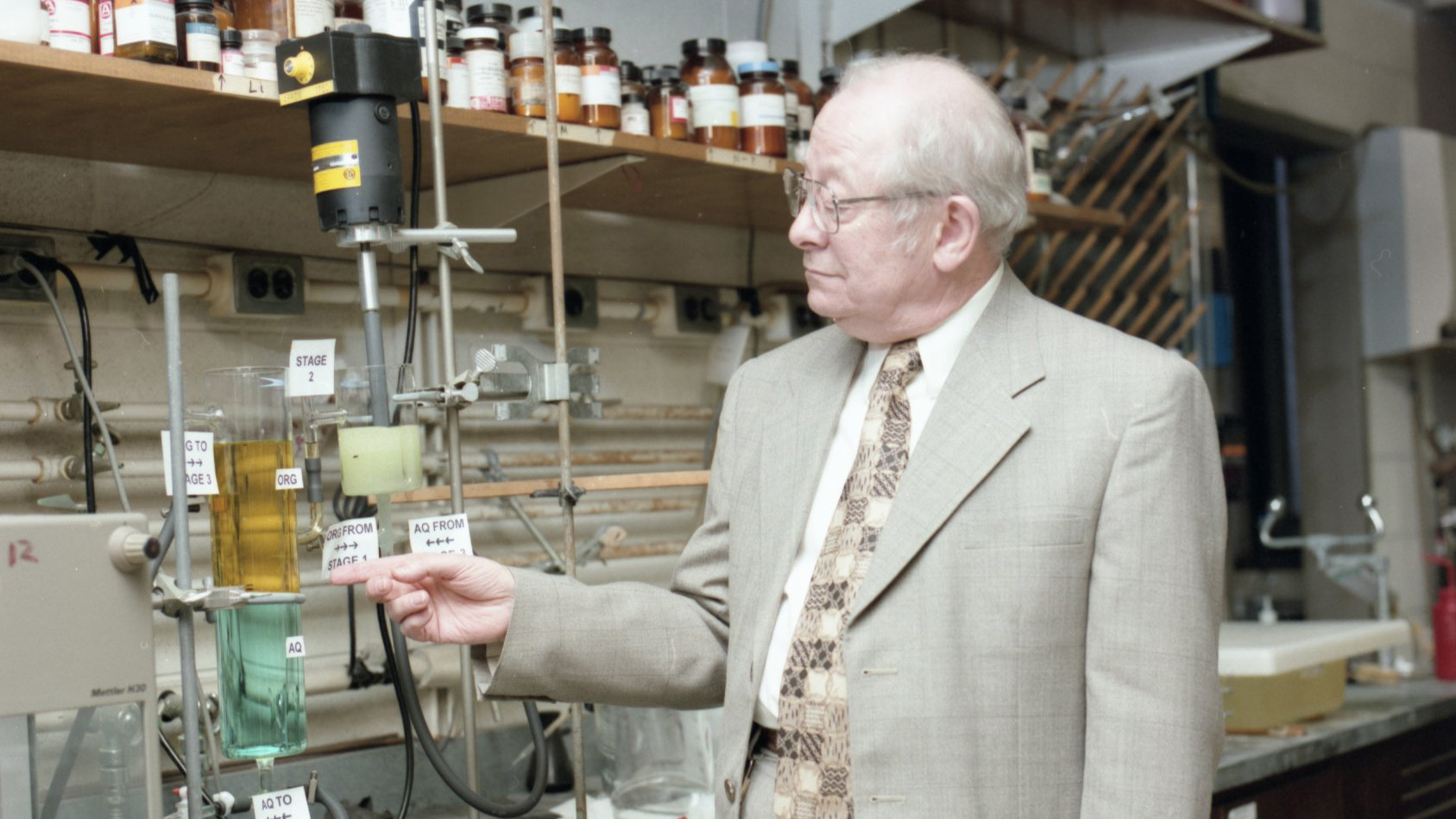
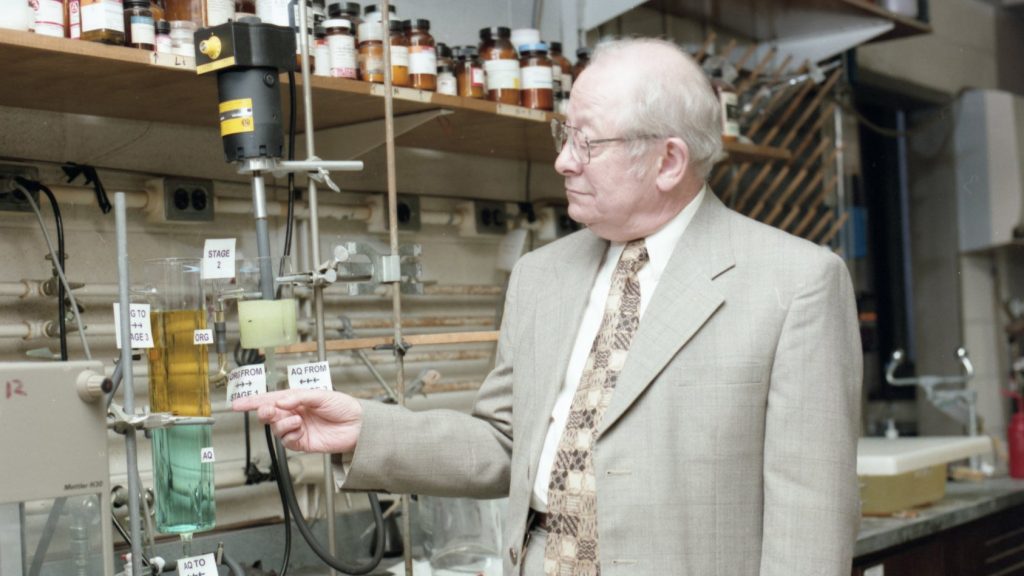
A man in a suit pointing at equipment in a lab

Though he cited his research as his greatest pride point, Schweitzer’s teaching legacy cannot be ignored. Over the years he mentored more than 140 graduate students, ushering them toward PhD and MS degrees. He taught classes in the chemistry, philosophy, history, and nuclear engineering departments, and had the unique experience of teaching the grandchildren of students he had taught before.

“In my four years at the University of Tennessee, I have met with many of our alumni,” said Viktor Nemykin, current head of the Department of Chemistry. “Everyone remembered George and wanted to talk to him. His more than 75 years of service to the department and university are truly unmatched.”

When asked if he planned to retire, Schweitzer once responded that he had considered it at one time, but he had since recovered. He continued to teach into the current academic year and had planned to teach in the spring. With a career as expansive as Professor Schweitzer’s, it is impossible to recount every important contribution made to his discipline, the university, and beyond. At 99 years old, he experienced and contributed to the making of the world as it exists today, teaching and conducting research through most of it. The university and department are unlikely to see his legacy matched, and he will be sorely missed.

Gifts in honor of Dr. Schweitzer may be made here: giving.utk.edu/schweitzer

Share your memories of Dr. Schweitzer with us here.

Filed Under: News Tagged With: Schweitzer

Courtney Christopher headshot photo

Chemistry Researcher Studies Human Health at the Molecular Level

September 16, 2024 by Jennifer Brown

Courtney Christopher started college as a pre-med major but realized chemistry could hold answers to complex human health questions. Now as a postdoctoral research fellow in the Department of Chemistry, she’s uncovering novel links between a microbial derived metabolite, the gut microbiome, and conditions ranging from systemic inflammation to Alzheimer’s disease.

Most of her postdoctoral work at the University of Tennessee, Knoxville, has stemmed from her discovery of 2,3-dihydroxypropane-1-sulfonate (DHPS) in humans.  

“Prior to my work, DHPS did not have a known role in human metabolism,” she explained. Her principal investigator is UT Chemistry Professor Shawn R. Campagna, who helped discover the role of DHPS in marine microbial communities a decade ago. 

“My contributions have been identifying DHPS in humans, discovering that this metabolite does impact human physiology, and providing data and generating hypotheses that will lay the foundation for future studies to uncover how DHPS may be a key regulator of human health and inflammation,” Christopher said.

She’ll be discussing all of her DHPS discoveries and summarizing the findings on DHPS in human health at the University of Tennessee Health Science Center’s Neuroscience Institute seminar series this October in Memphis.

This past summer she delivered oral presentations at the American Society for Mass Spectrometry and the American Chemical Society conferences, and her collaborator presented at the American Society for Microbiology conference. 

Vaping to Alzheimer’s

In one study, published in the journal metabolites, Christopher discovered a connection between DHPS and metabolic dysregulation, comparing DHPS levels in the stool of vaping and smoking subjects compared to controls. 

“This work provided the first evidence that DHPS, a microbial metabolite with an unknown role in human physiology, may be linked to vaping and smoking-induced metabolic dyshomeostasis and a basis for future research investigating the role of DHPS in human health,” she said. “I also identified correlations to cholesterol metabolism, acetylated amino acids, neurotransmitters, and vitamin B metabolism, which may provide insight into the physiological role of DHPS.”

In another, she discovered a previously unrecognized link between DHPS and neurodegenerative diseases (NDDs) such as Alzheimer’s, Parkinson’s, and amyotrophic lateral sclerosis (ALS). “The data suggest that cryptic sulfur metabolism via DHPS is a missing link in our current understanding of NDD onset and progression,” Christopher said.

Her hypothesis is that metabolic dyshomeostasis and increased flux through DHPS result in mitochondrial dysfunction and systemic inflammation in humans.

This academic year she is investigating the pathophysiological impact of DHPS dyshomeostasis on mitochondrial dysfunction. “Additionally, I plan to study how different intrinsic (biological sex, aging) and extrinsic factors (diet, diabetes, hypertension) are impacted by DHPS dyshomeostasis,” she said. 

Interdisciplinary Collaborations

Christopher was working on her bachelor’s degree in chemistry at Lincoln Memorial University when she first heard of the work in the Campagna Lab at UT using mass spectrometry-based metabolomics to investigate the etiology of Alzheimer’s disease. 

“I was so impressed with Dr. Campagna’s research on human health and his many interdisciplinary research collaborations with PIs (principal investigators) across the country.” She earned her PhD from UT in 2022.

“None of this work would have been possible without my mentor (Campagna) and incredible collaborators,” Christopher said, “Through the Biological and Small Molecule Mass Spectrometry Core (BSMMSC) in UT’s Department of Chemistry, I have had the opportunity to collaborate with brilliant scientists across the globe. They have given me scientific freedom to explore this new discovery and have provided invaluable support.”

Her collaborators include Assistant Professor Katie Morgan from the UT College of Nursing, as well as researchers from Augusta University, the Medical University of South Carolina, and Louisiana State University.

By Amy Beth Miller

Filed Under: Analytical Chemistry, News

Welcome New Faculty Members

August 19, 2024 by Jennifer Brown

The Department of Chemistry is pleased to welcome to new faculty members in the 2024-2025 academic year. Their arrival brings us up to 26 faculty members. Their addition will expand our expertise and research capacity, providing even more opportunities for students to participate in cutting-edge research.

Joseph Clark – Assistant Professor

Headshot photo

Joseph Clark was born and raised in Rochester, NY. He attended St. John Fisher University, graduating with a B.S. in chemistry in 2008. In pursuit of his interest in organic chemistry method development and catalysis, he completed a Ph.D. in the research group of Professor Steven T. Diver at the University at Buffalo in 2014. He joined Professor M. Christina White’s group in September of 2014 at the University of Illinois Urbana-Champaign. While in the White group he received a NIH NRSA Ruth Kirschstein Postdoctoral Fellowship. Joseph joined the chemistry faculty at Marquette University in August of 2018 as an assistant professor and was promoted to Associate Professor in 2024. Beginning August 2024, Joseph accepted a faculty position in the Department of Chemistry at the University of Tennessee, Knoxville, and moved his group there. Joseph is a recipient of several major grants and awards such as the NIH ESI MIRA, NSF CAREER award, ACS PRF, and Thieme Chemistry Journals Award.

Ziying (Nancy) Lie – Assistant Professor

Headshot photo

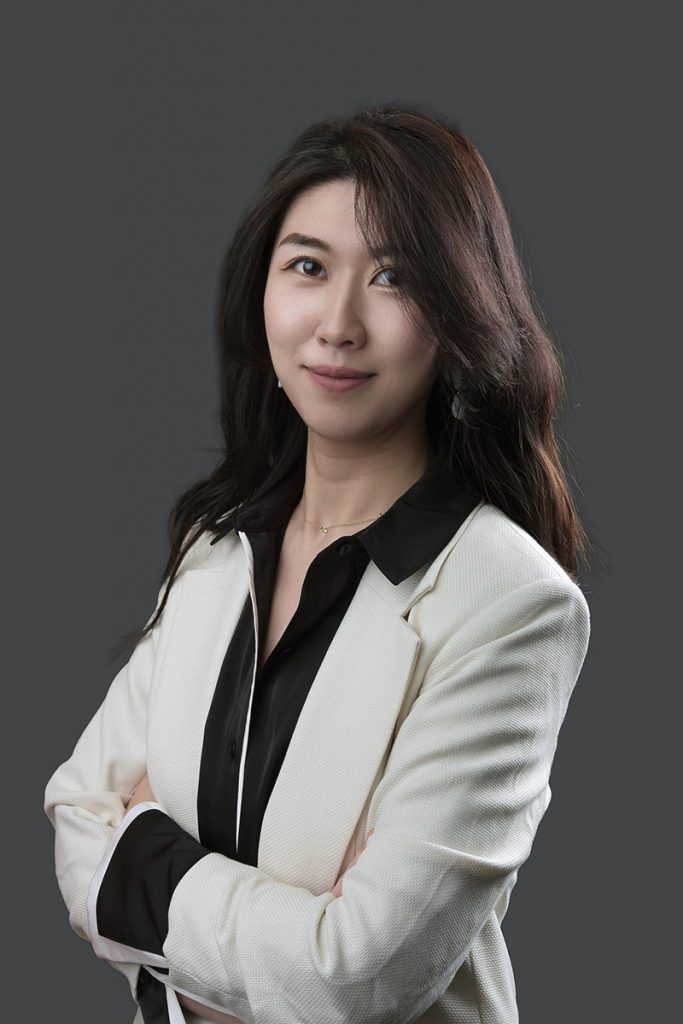
Dr. Ziying (Nancy) Lei is an Assistant Professor in the Department of Chemistry at the University of Tennessee, where she leads research on atmospheric particles to advance our understanding of their significant impacts on climate change and air pollution. Her research focuses on the intricate properties of these particles, such as their size variability from 1 nm to 100 µm, varying acidity, diverse morphology, and complex chemical composition. These attributes are crucial as they continuously evolve through heterogeneous and multiphase chemistry, influencing both environmental health and climate systems.

Dr. Lei brings a commitment to excellence in research and education. She has contributed significantly to the academic community through publications in prestigious journals and conference presentations. Lei’s scholarship, recognized with several awards for her research achievements, is marked by a dedication to excellence and a passion for advancing the frontiers of her field.

As an educator, Dr. Lei is devoted to integrating real-world scientific challenges into the curriculum, fostering a learning environment that nurtures critical thinking and hands-on learning. She is committed to mentoring the next generation of scholars and professionals, using engaging teaching methods to inspire her students and providing mentorship that supports their academic and professional growth. Lei’s teaching philosophy emphasizes the development of skills necessary for success in a rapidly changing world, preparing students to understand and solve environmental challenges.

Filed Under: Faculty, News

  • « Previous Page
  • 1
  • 2
  • 3
  • 4
  • …
  • 41
  • Next Page »

Chemistry

College of Arts & Sciences

552 Buehler Hall
1420 Circle Dr.
Knoxville, TN 37996-1600

Email: chemistry@utk.edu

Phone: 865-974-3141

Facebook Icon  X Icon  Instagram Icon  YouTube Icon LinkedIn Icon

The University of Tennessee, Knoxville
Knoxville, Tennessee 37996
865-974-1000

The flagship campus of the University of Tennessee System and partner in the Tennessee Transfer Pathway.

ADA Privacy Safety Title IX